Monthly Archives: April 2017

Total Immersion/ The Onsen Experience

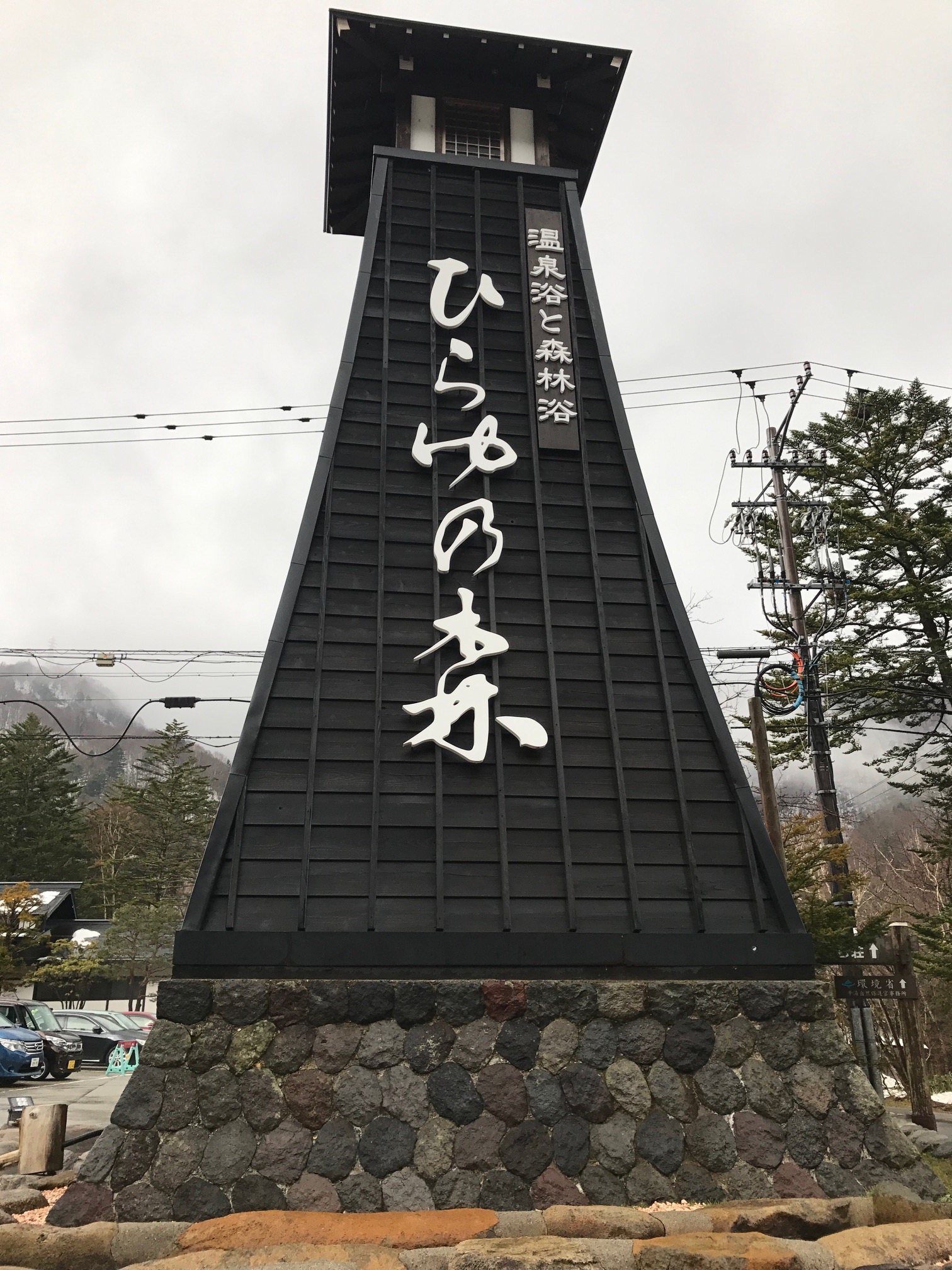
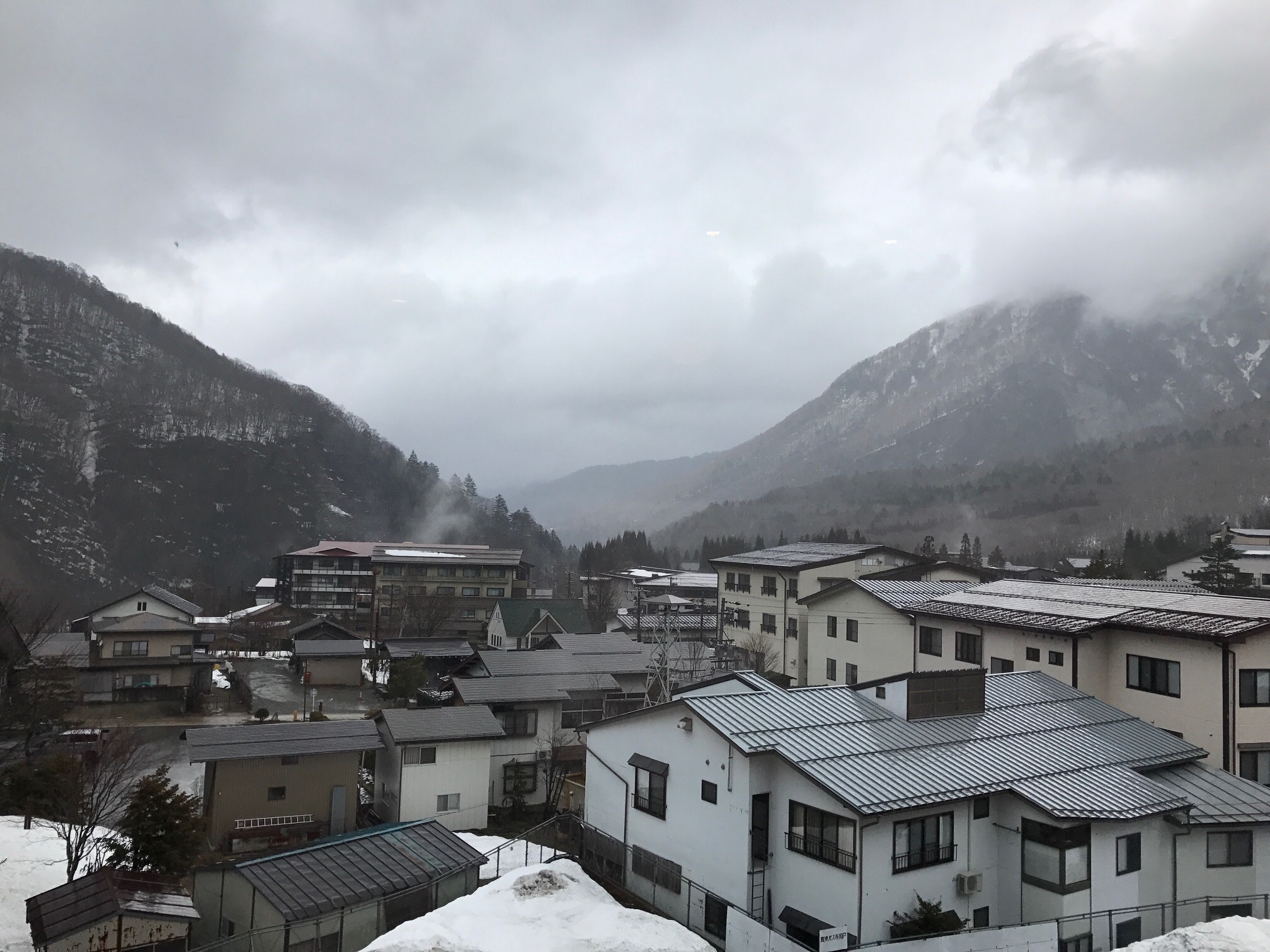
After a one hour bus ride on windy mountain roads I arrive at Hiruyu- an onsen town outside of Takayama in the “Japanese Alps”. An onsen is the quintessential Japanese experience: outdoor baths  with water from underground mineral springs. The ones in Hiruyu are known for their healing properties from the sulfuric waters.  It’s one of the things on my “must do” list, and I’ve come on this journey alone.  I have to admit to a tiny bit of anxiety because it’s the first time I’ve actually done an excursion entirely on my own in all the years of traveling together with my husband, Gerald. He stayed behind  to sketch in town because we were worried that the hot waters might inflame his  bad foot. I am well prepared. As with most things in Japan there is a precise ritual with “dos” and “don’ts”.  Nick at our ryokan has given me full directions as to onsen etiquette.  “Bring a towel and your yukata from the room.  You have to be entirely naked.  Are you OK with that?”  I smiled and told him I’m from California.
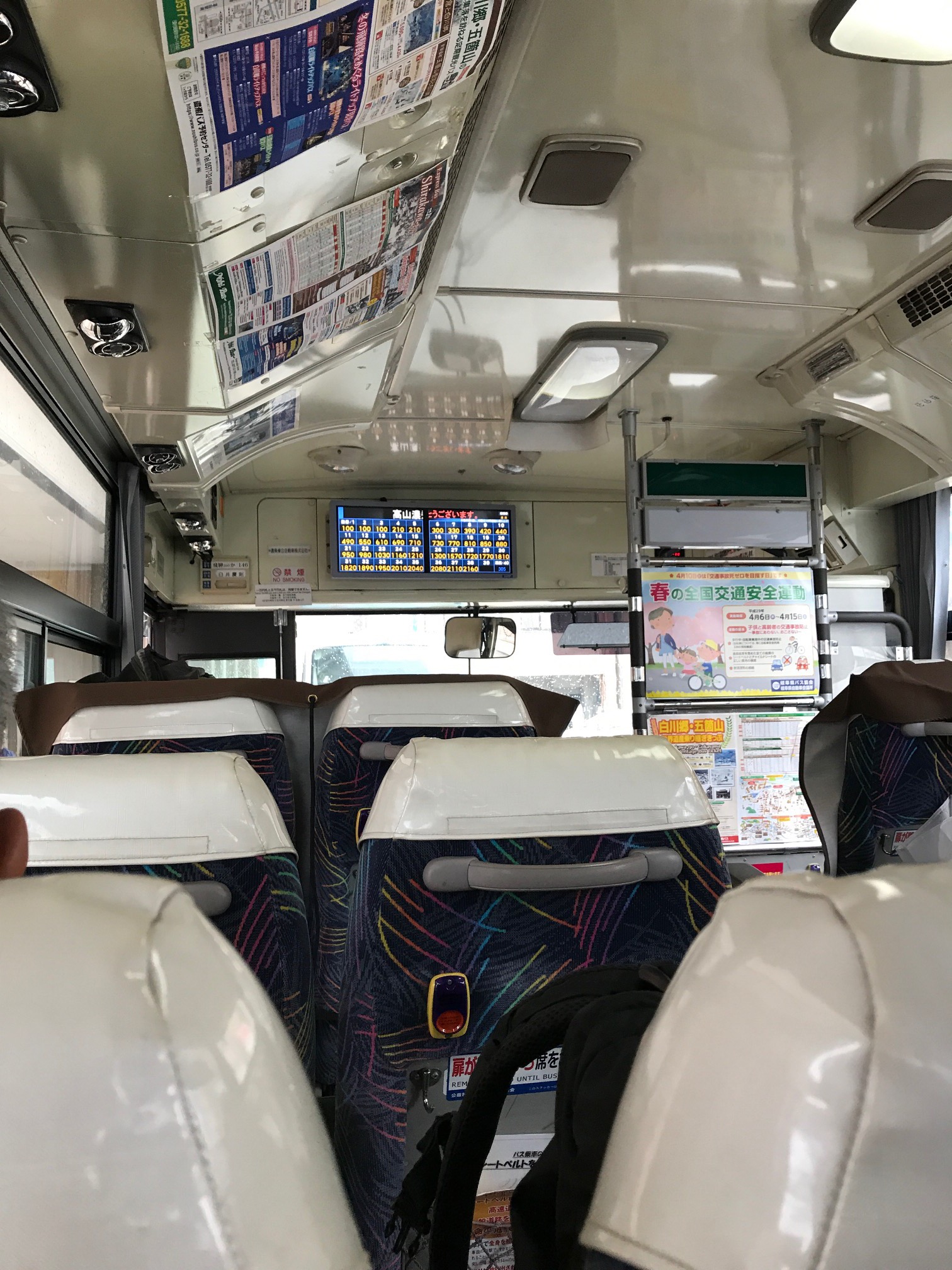

I am the only Westerner on the bus, but there is a video screen which shows the name of the stops, and a tape announces them in Japanese, English and Chinese.  Nobody speaks a word of English. As we climb higher and higher the landscape is covered in snow and we pass ski resorts and ski lifts.  There must be at least three feet of snow.  It is also raining outside and I’m wondering if I am crazy to  have come since the baths are ouside. At exactly the scheduled time of 12:40 we arrive at the bus station.  I approach a sales girl in the store which is stocked with souvenirs and local food specialities for the Chinese bus groups who pass through.  Slowly and clearly  I say “Onsen” with a questioning look.  She points me to another sales person who points upwards.  When I don’t understand, they take me to a third person who says “Upstairs, third floor”.  I’m puzzled because because I remember  reading that it was five minutes away, but I go up the elevator anyway.  I show the man at the desk my little piece of paper with the name of the onsen written in Japanese and he nods his head. I pay, put my shoes in a locker and then go off to the ladies section.

Two Japanese women are there and they show me how to shower and wash before entering the baths.  There is one long bath inside and one outside. I cautiously slide in, testing the temperature.  It is hot.  But where is the smell of sulfur?  Nick told me it was really strong. And he said there are several baths of different temperatures.  I’m beginning to think I must be in the wrong onsen. I’m sure of it, and get out of the bath, get dressed and leave.

Once downstairs I try to make myself understood and get to the “real” onsen.  Again I get puzzled looks until a young man takes pity on me and gets his girlfriend who speaks some English. There IS another one and it is in the Ryokan across the parking lot.  At this point it is pouring and the piles of snow have melted into lakes which bar the path to my destination, but that will not deter me and I slosh through, soaking my sneakers and grabbing onto my bags under the flimsy cheap plastic raincoat I bought in Tokyo.
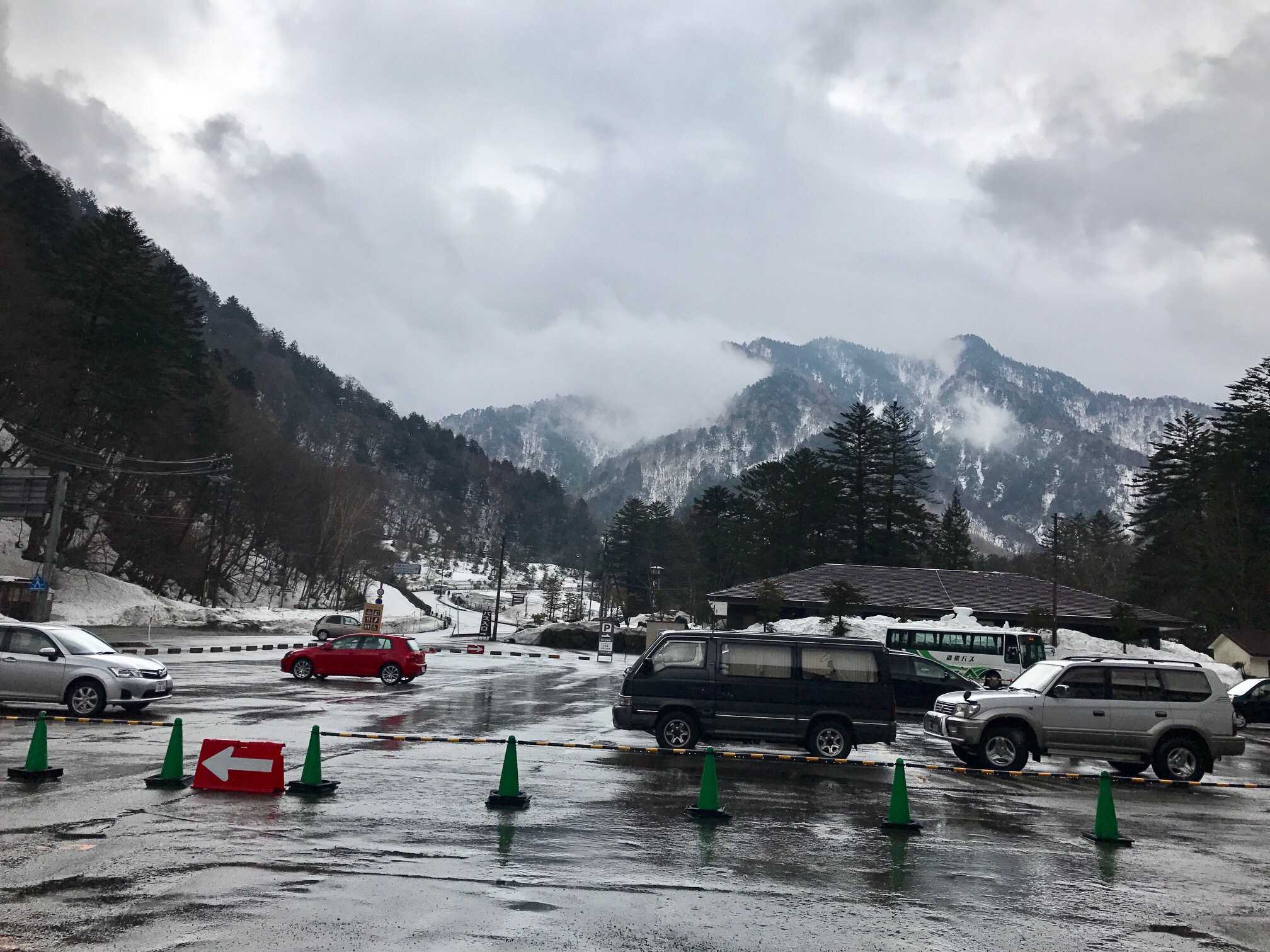
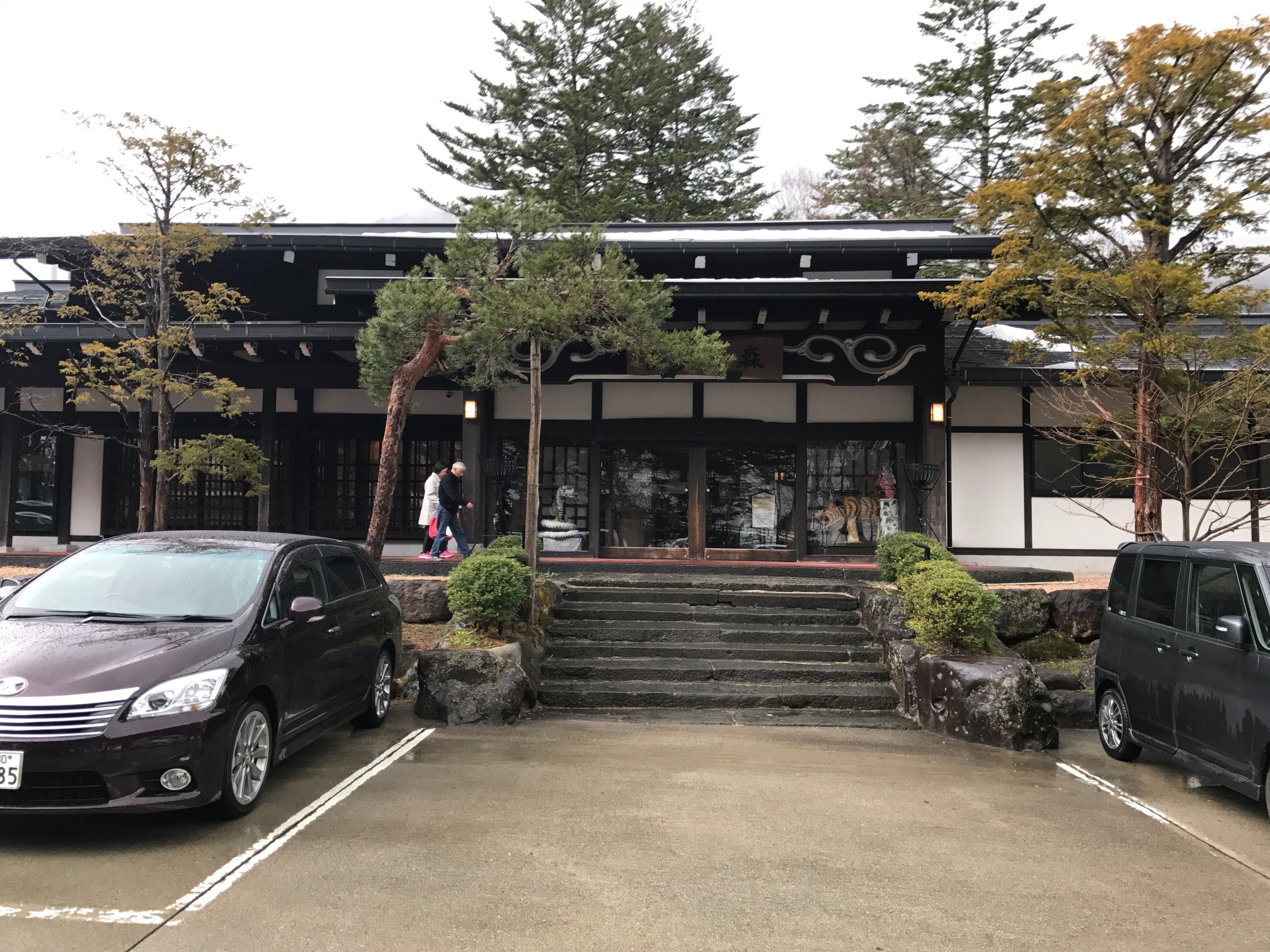
The Ryokan is a massive wooden building built in  a Japanese style.  Inside I  remove my shoes, but I have a dripping raincoat and wet umbrella.  Quickly a young woman from the reception desk rushes to help me dispose of these wet, unseemly items.  It just wouldn’t be polite to come inside dripping on the tatami mat flooring.

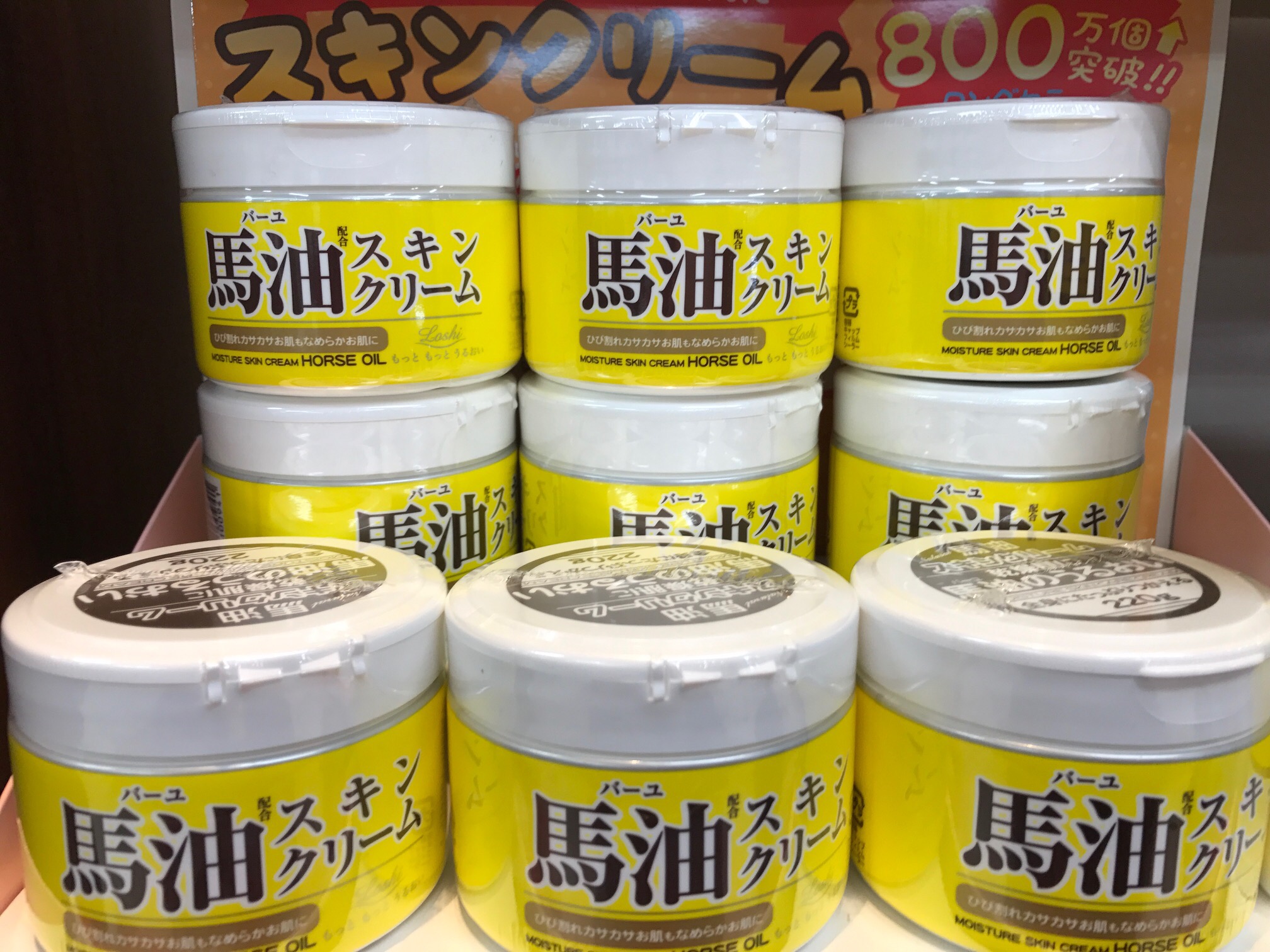
The dressing room has a high ceiling with massive wood beams and is filled with young women, a few mothers with their children, and now me, the only westerner.  It’s confusing where to begin- one locker for the shoes, another for clothes and purse, and a wicker basket to store your towel and yukata. I have to wash, yet again- because that is the custom.  One of the ladies shows me a special cream to wash my face- the secret ingredient is horse oil!  In my haste to get to the baths, I inadvertently take the toilet slippers out of the bathroom.  (There are separate slippers  to wear inside on the tatami mats and inside the bathroom). I hope nobody has noticed, and I sheepishly return them.

Once oustside I find what I have been looking for.  Steam rises from the nine baths set out in an irregular pattern with a slight odor of sulfur.  The volcanic rocks are beautifully arranged to enclose each bath.  Between the shock of the icy cold mountain air and the heat of the baths, my body and mind settle in to the peacefulness of the garden.  Again I am the only foreigner, and a young woman starts to talk with me in her broken English.  We spend the next hour going from bath to bath, each one a little hotter. As time passes I no longer have a sense of time or place and just drift into the “nowness” of the experience.  This is what Nirvana must feel like.
To Flush or not to Flush- That is the Question

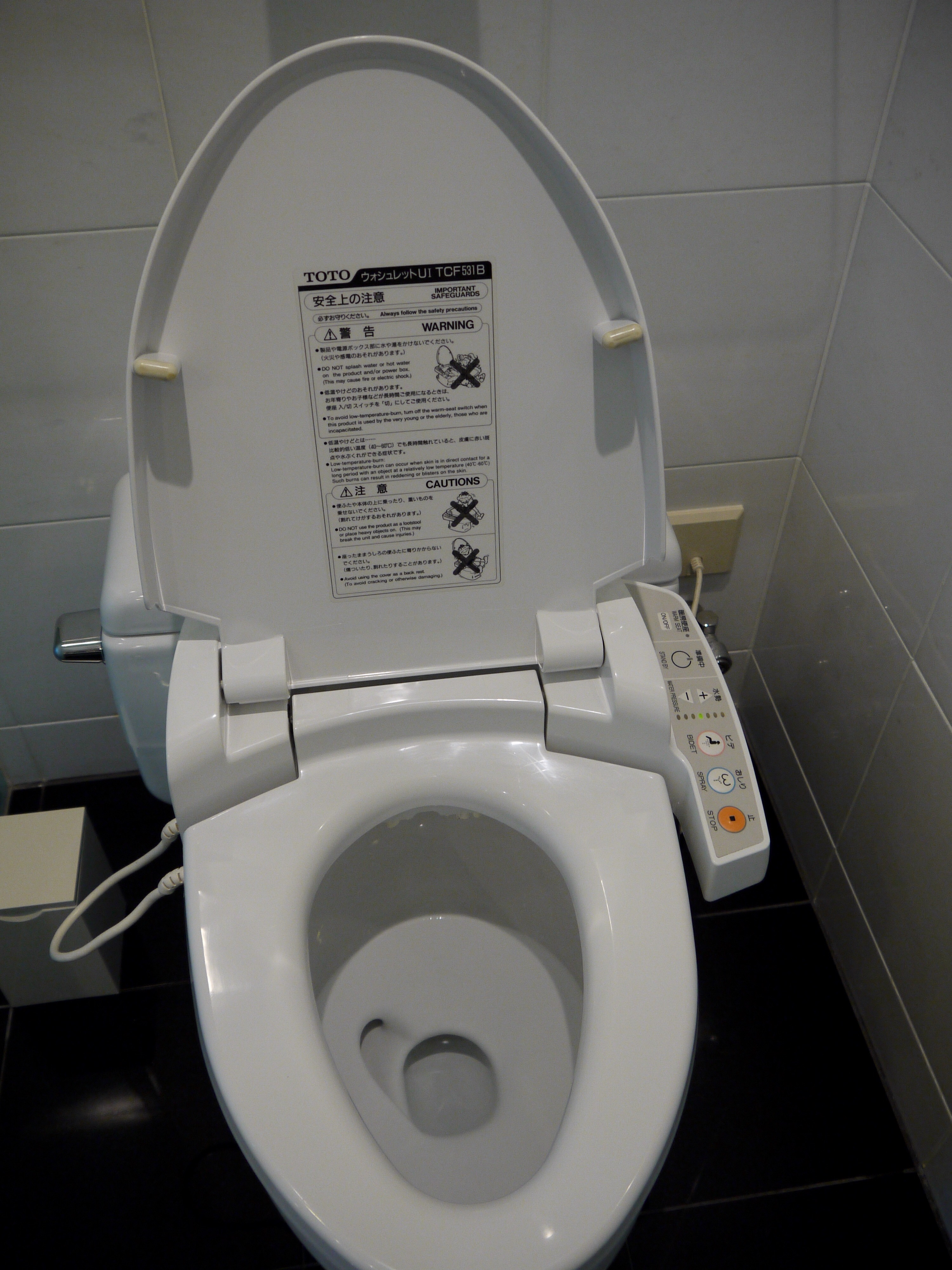
Conrad Hilton toilet in room with English translation

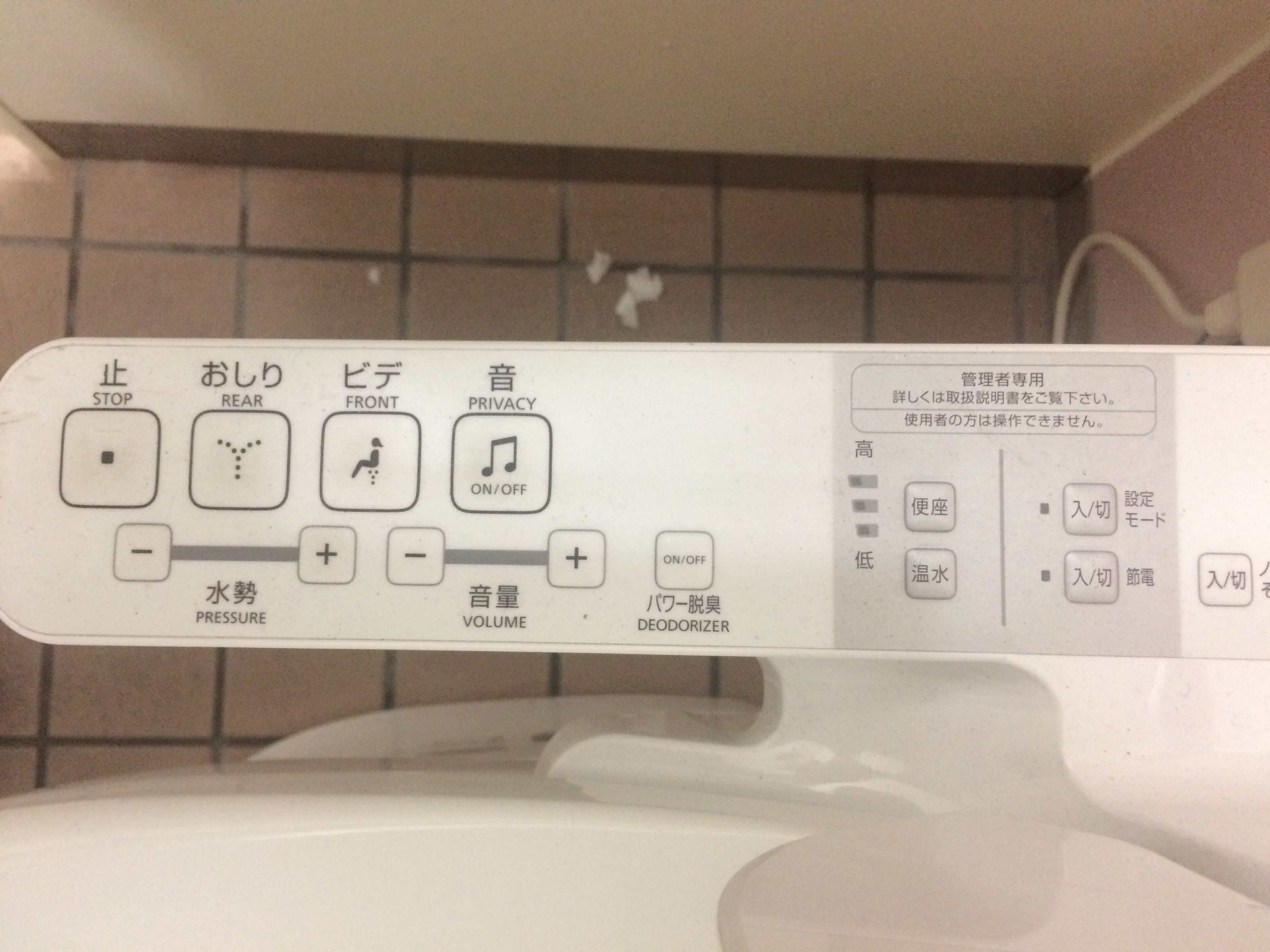
As soon as I heard about the toilets in Japan I couldn’t wait to try one. I rushed into the nearest Restroom at Narita airport immediately after landing.  But when confronted with the myriad of options, indicated by symbols on a side panel, I choked.  There was a musical note, various positions of butts and women’s personal parts discretely being sprayed or sprinkled, and a few plus and minus signs.  As soon as I sat down unusual noises and motions began to emanate from the bowl and I figured I had better do my business and get out.  There would be plenty of  other opportunities.

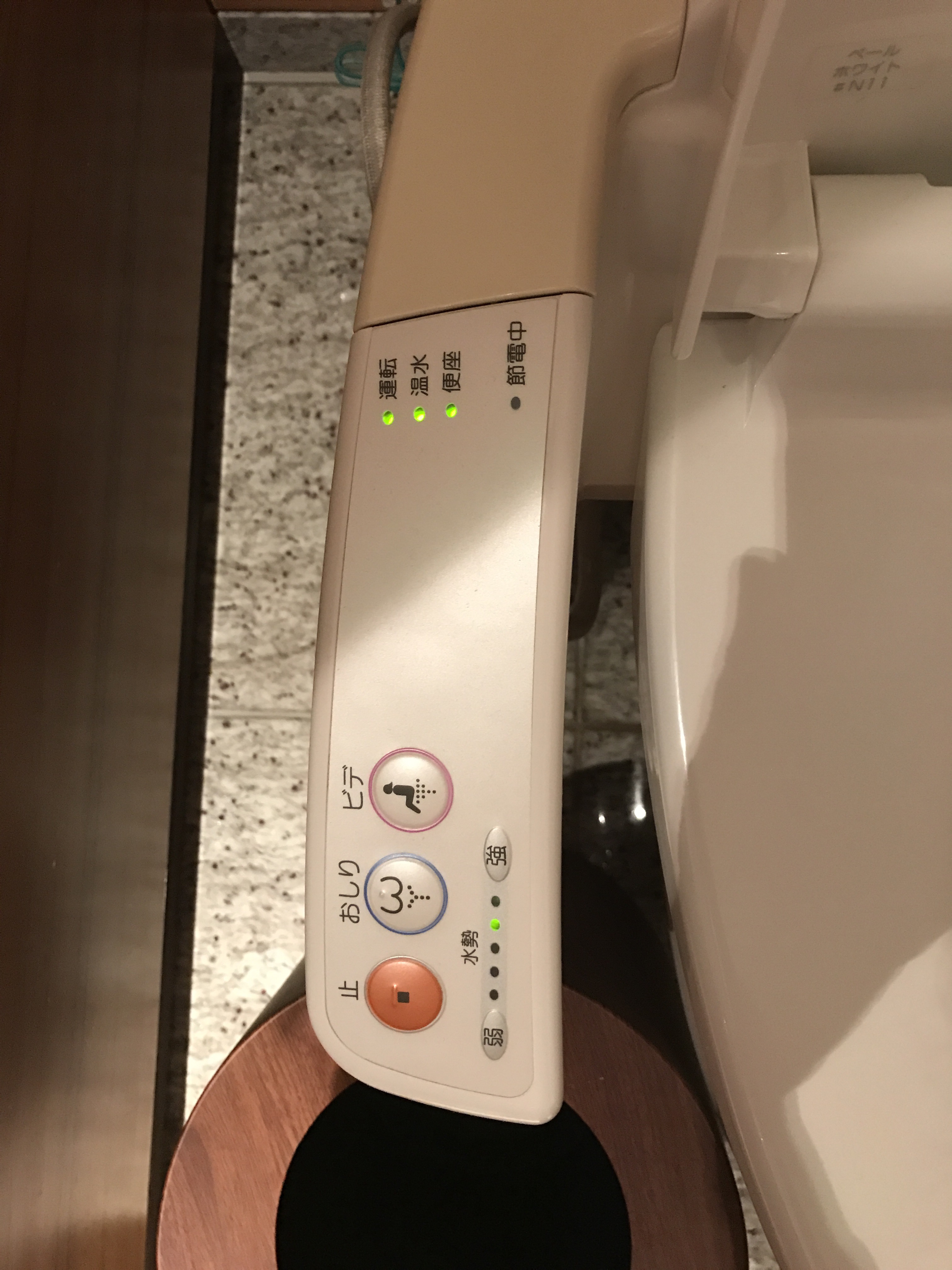
My big chance came when Gerald and I decided to have lunch in an upscale Japanese restaurant frequented by locals.  We took off our shoes at the entrance and were shown to our table.  When it was time to make my move, I was given a pair of slippers to traverse the restaurant and another pair when it was time to enter the restroom. I was then left to my own devices.  In order to enter the room you pressed a button and the door automatically slid open.  The first problem arose when I tried to press the button to re close it. it was jammed so I gently nudged it to move. A panic attack set in when I realized that maybe I might get locked in there if the automatic door wouldn’t re open to let me out. OK- breathe and relax.  With excitement and a sense of adventure I attacked the option panel (which had no English translations for the pictures).  I heated the seat and pressed the button with the musical note.  Flushing sounds began and repeated. Hmm…. is this their idea of music or what?  Then I started pressing the sprinkler buttons.  First my butt got tickled with gentle sprays of lukewarm water.  I could get used to this.  Trouble arrived with the second button- the bidet option.  A jet of  hot water started pulsing up and it was not enjoyable to say the least, but I didn’t know how to get it to stop.  I thought that maybe if I lifted my butt from the seat there would be a movement sensor and the spray would stop, but no.  The water started spraying all over the bathroom stall.  Panicked I sat back down, worrying that I was doomed to stay in my stall getting attcked by the various water sprays- front and back.  Maybe this was my punishment for making fun of Japanese custom. I started to furiously press all the buttons at once, praying for deliverance.  Success.  One of the buttons was an orange one which stopped all actions.


Back at the hotel I carefully inspected our toilet. The inside of the seat gave warnings and explanations of the dangers of using this “product”.  “Low temperature burns” from heating the seat too much can cause “Blisters on the skin which can be very painful”. And far from providing relaxing music, the musical button is for “Privacy”.  Being correct and reserved is important in Japanese culture so if you fart or make too many toilet noises, the flushing sounds can hide your embarrassment from others.


Everything from the temperature of the water sprays to the power of the flush is carefully thought out. Efficiency in all things is an admirable part of the Japanese way of life. It’s going to be very boring when I get back to the USA and all I get to choose is to flush or not to flush.

What’s in a Name?

“I-KE-NO-HATA Road?” Blank stares.  Maybe it’s my pronounciation-I thought it should rhyme with “Hakuna Matata”(the theme song from The Lion King,) pronouncing every syllable.  But I guess I’m wrong- no one seems to react when I say it.

The journey in from the airport was a piece of cake.  Easy clear signs both in Japanese and English, directed us to the super-efficient,fast and spotlessly clean train system which would take us into Tokyo in 57 minutes precisely. It lulled us into the false optimism that the language barrier wouldn’t be a huge problem.  Ha!

According to the directions emailed by our Ryokan ( a traditional Japanese inn) the road is a main Avenue, which should be the one we are on as we exited the train station.  Masses of men, dressed in black suits, white shirts and determined faces looking down at their phone, stream by.  The shopping street is brightly lit with neon signs, and colored lanterns line the parallel road where masses of cherry trees are in full bloom.  Our efforts to stop passersby are met with polite smiles or unintelligle words, supposedly in English.  Three policemen who are holed up in a mobile station, huddle together to ponder the question of where this road  might be. A consensus, after asking three or four people  who all confer with their phones for directions,seems to be to follow the road parallel to the park, near where we are  now standing.

Thank God I only took a carry on case.  As we wander on the deserted avenue, passing a night market for locals to enjoy “Hanami”, the cherry blossom season, we are unsure if we actually ARE going in the right direction.  After a flurry of activity and restaurants with plastic foods in the window, nothing.  Then on a street post we see a sign “Ryokan Katsutaro  (pronounced KATZARO) 200 m ahead”.