A distant drumbeat, powerful music, a religious procession, and the pungent aroma of spices......all beckon me to distant lands and I follow, jubilantly and expectantly with a sense of wonder at the beauty of life.
“Does this bus stop at Calisson?” I’m met with a puzzled look from the driver. Thinking he hasn’t understood me I repeat the question. “I don’t know any stop Calisson”he responds gruffly.
Calisson is a traditional dessert of Aix-en-Provence. Oval shaped little cakes,no bigger than a thumb, are made from ground almond paste, candied melon or orange, and a sugar coated topping. It’s also the name of a town that houses a museum and factory dedicated to these little delicacies. Of course I want to go and visit.
But getting there without going on an organized tour has it’s price- an experience of the total chaos of French public transportation. No one seems to know anything, from where the bus terminus is, to what stops a bus makes. Trying to organize an excursion requires patience, flexibility and a comfortable pair of running shoes. With the help of a friendly local on board and a young French woman herding her small group of students from a French immersion course, we ascertain that indeed we are on the right bus.
The visit to the museum, learning the history and watching the production from a large glass window above the assembly floor and the degustation( tasting) at the end is enjoyable. Seeing an informational video showing the veneration of these little treats- a day set aside each year replete with parade and crowds of locals in traditional costumes witnessing the blessing of the cakes is impressive.
But the real fun begins with our attempt to get back to Aix. Apparently we missed the bus which comes once every hour and a half. The “bus stop” is on the side of the road, in the middle of nowhere. Full sun and no bench.
“Let’s hitch a ride back to Aix” Gerald suggests gingerly. “No way. And no one will pick us up.” My legs are aching, my body sweating and the cars are zipping by sending their exhaust fumes straight to our faces.
“OKAY. Let’s try.” Cars speed by, some slowing down to look at these two crazy people standing in the middle of the road with our hands out. (actually Gerald is the only one with his hand out, I am too embarrassed. )
Within five minutes a Renault stops and a well dressed French woman with flawless make up and neatly coiffed blonde hair, smiles and tells us to get in. We spend the next fifteen minutes in lively conversation and arrive at the Cour Mirabeau in the center of town refreshed and relaxed.
Now,sitting in our modern, sun filled apartment with two boxes of calisson on the table in front of us, we are trying our best to resist the urge to devour them with our apero, especially since they are meant to be gifts for our friends in Paris!
This is written by my husband as an end of the journey reflection:
This was my tenth time in India, where I have spent nearly two years of my life. The last two times, as we flew there from San Francisco, I have felt it might be our final visit. Since I first came here in 1976, when I spent a year traveling across Asia, I have had a love affair with this wonderful country. I love the glorious palaces, the temples filled with chanting people in their most brilliant colors, the delicious food, the stunning landscapes- but above all the people. We have so many friends now, caring, loving, and unbelievably gracious.
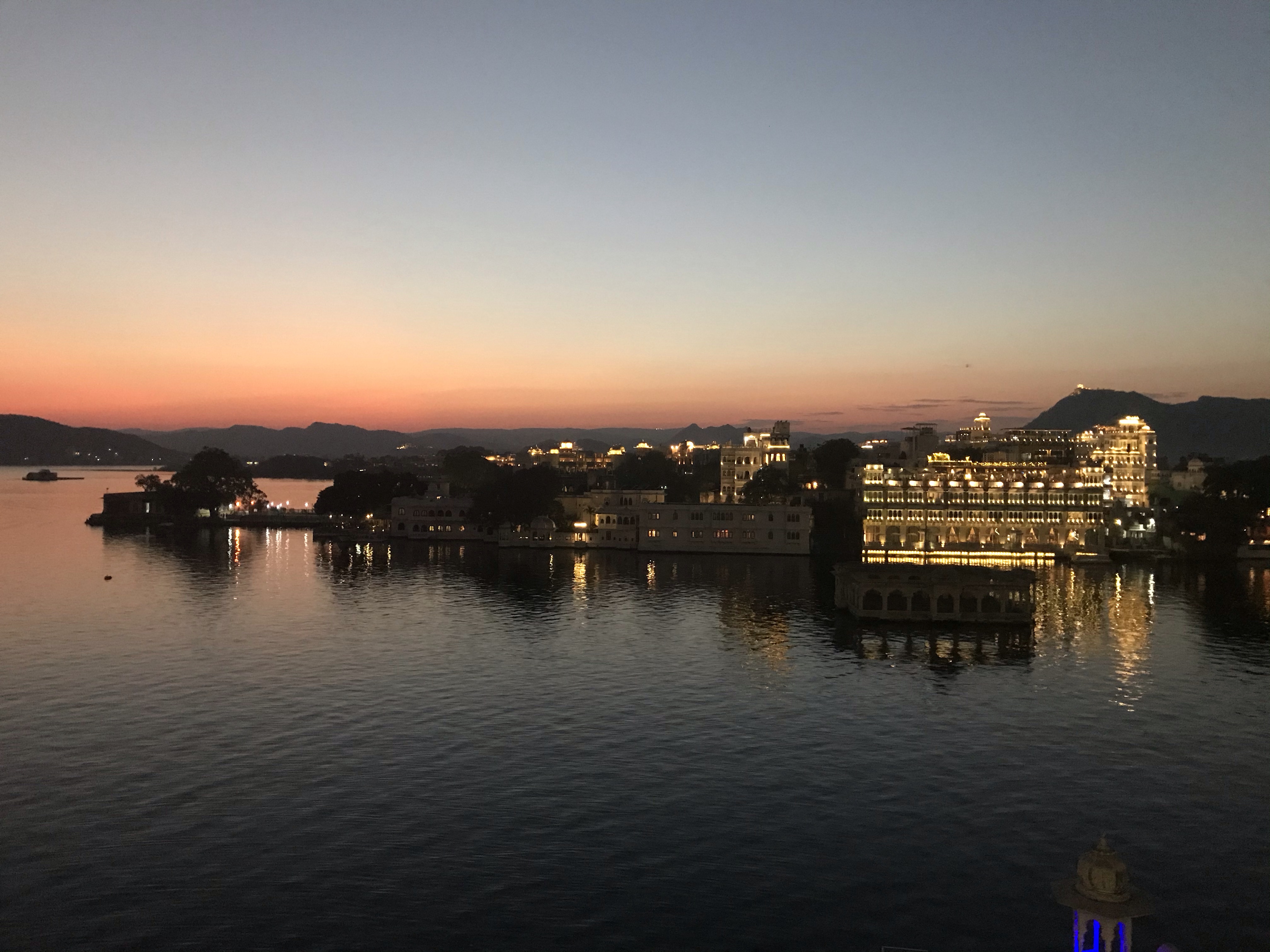
From our beautiful community and pristine beaches of Agonda in Goa, to the exuberance of the Theyyam rituals in Kerala, to our devoted friends and our work at Manav Sadhna, it is all so totally wonderful. Sitting at our favorite restaurant in Udaipur, looking out over the lights and reflections from the City Palace flickering in Lake Pichola, I feel so blessed to have gotten to know this amazing country, and to have been able to contribute a bit of joy to its children through my art.
We get older, the journey there gets harder, and seems ever longer. And yet… as they say there “In India anything is possible.” So maybe I will walk this subcontinent once more. As all my friends there say to every question, “Why not?”
Dressed in thin, gauzy white cotton robes and carrying small cloth bundles on long wooden sticks, a group of women passed me by as I was walking down the street in Udaipur early one morning. A white mask covered their mouths and they were walking barefoot. Who were they, where were they going and what was their story? I was determined to find out.
I learned that they were Sadhvis, Jain nuns, and that they were itinerant pilgrims. Jainism is one of the three ancient Indian religions along with Hinduism and Buddhism, The name comes from the Sansrit word “Jinja”, which means Victory and refers to the destruction of Karma and the stream of rebirth, or Moksha ,through an ethical and spiritual life.
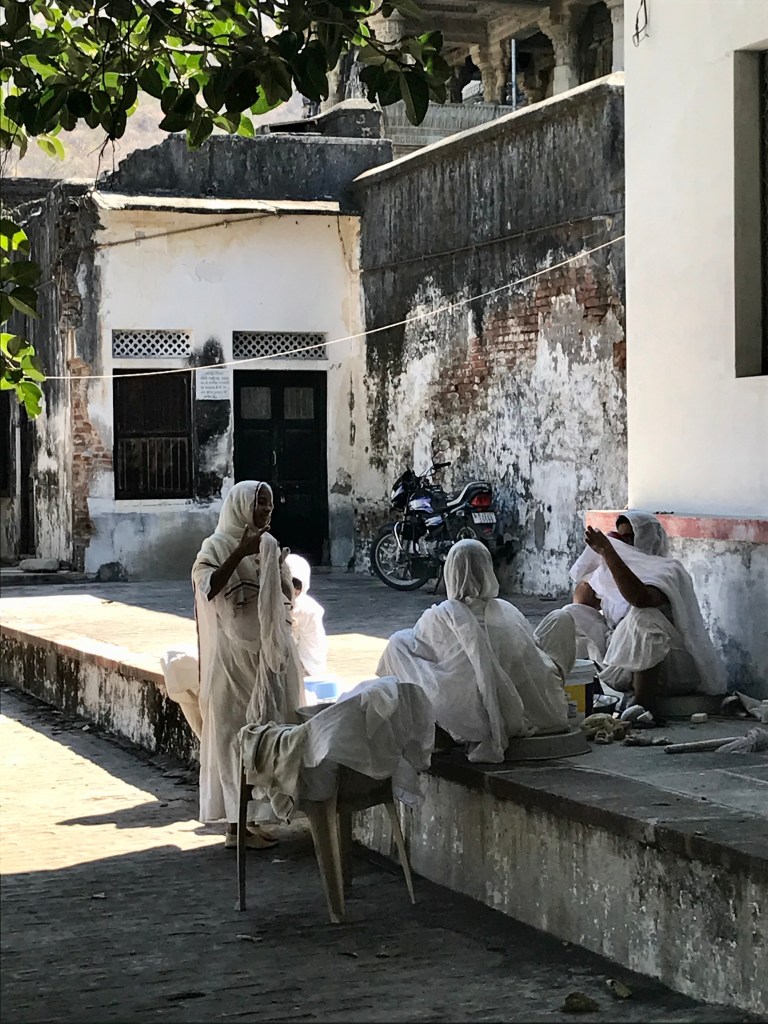
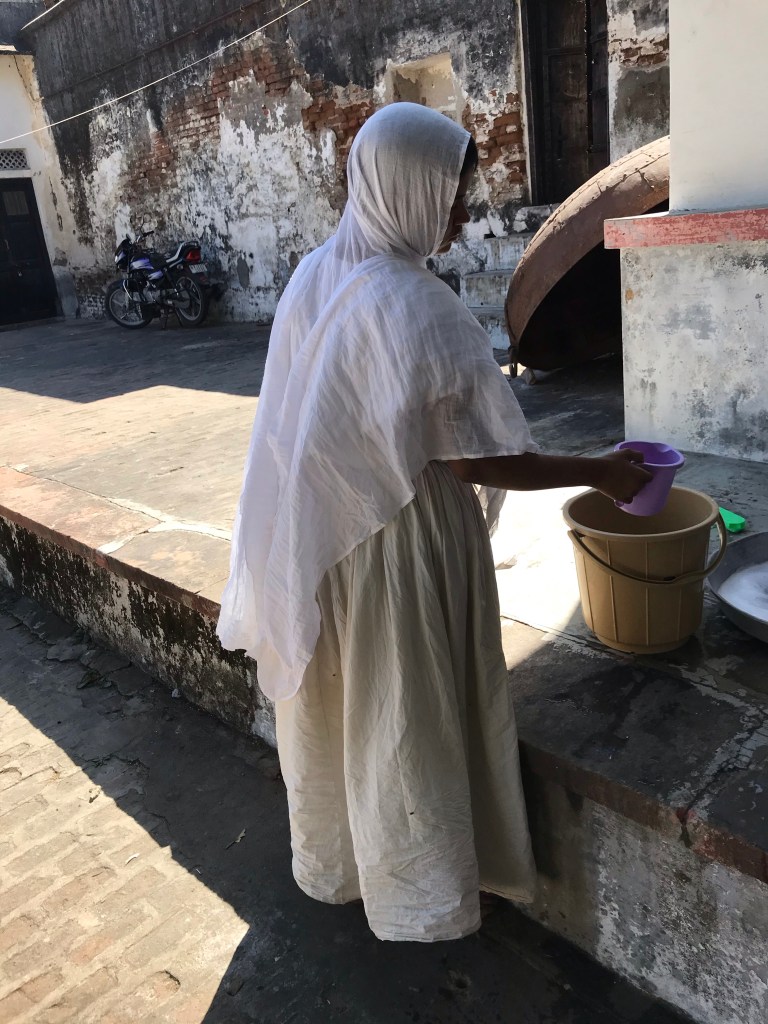
I had forgotten all about it until Gerald pointed out a beautiful tree growing in the courtyard behind the famous Jain Temple at Ranakpur (between Udaipur and Jodhpur). Three Jain nuns were busily washing their clothes. I saw an opportunity to satisfy my curiosity and approached them cautiously, unsure how they would react. To my surprise they spoke English well and were eager to engage in conversation.
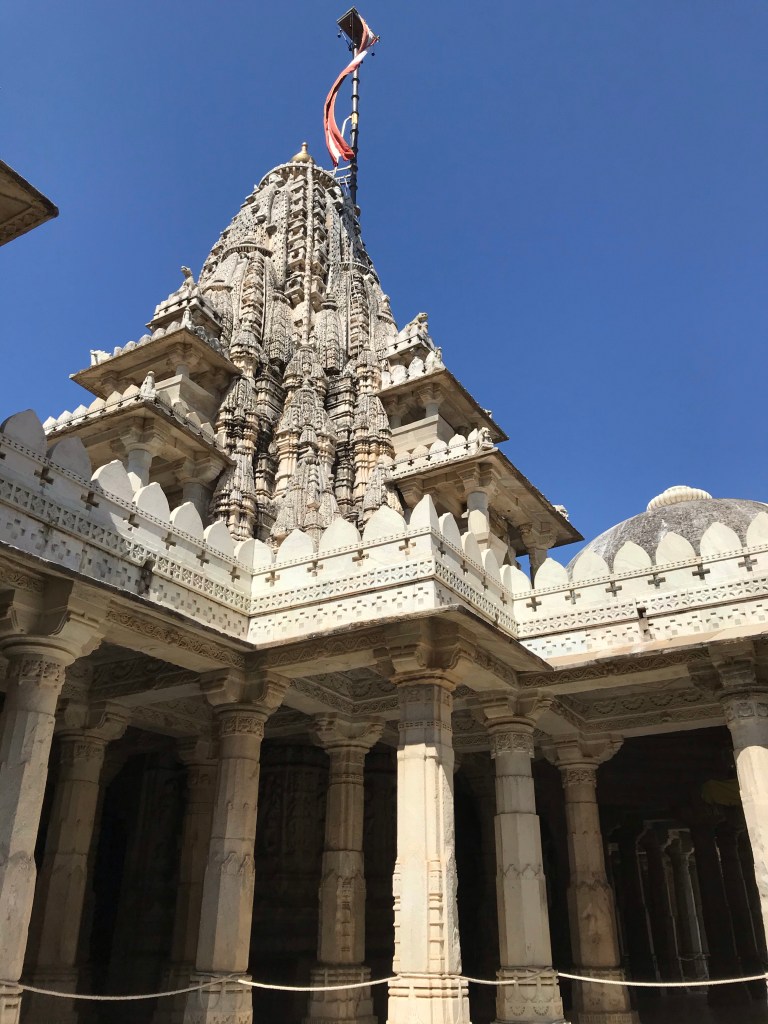
Ranakpur TempleA Jain monastic preparing food inside the templeJain nunsJain nuns doing the wash
I am thirty six years old and have been a nun for seven years. I wanted to be a nun since I was thirteen but I could not get parental permission. They forbade me to join and said I had to wait until I was twenty nine. I said I would not marry and they finally allowed me, seeing how strong I was.
I am nineteen and have been a nun for one year. My sister is a nun also. I am very happy in this life.
I have a degree in Accounting and enjoyed a privileged life. My parents were devout Jain. But I knew from a young age that I wanted to be a nun. My parents were against it, and made me wait until I was twenty five.
Jain nuns forsake all emotional attachments and material possessions. There is an elaborate “wedding” ceremony, called Diksha, attended by thousands of Jain devotees, where all attachment to family, love, feelings of anger,hate and greed, are renounced. A new name is taken and she can never touch any family member or any man again.
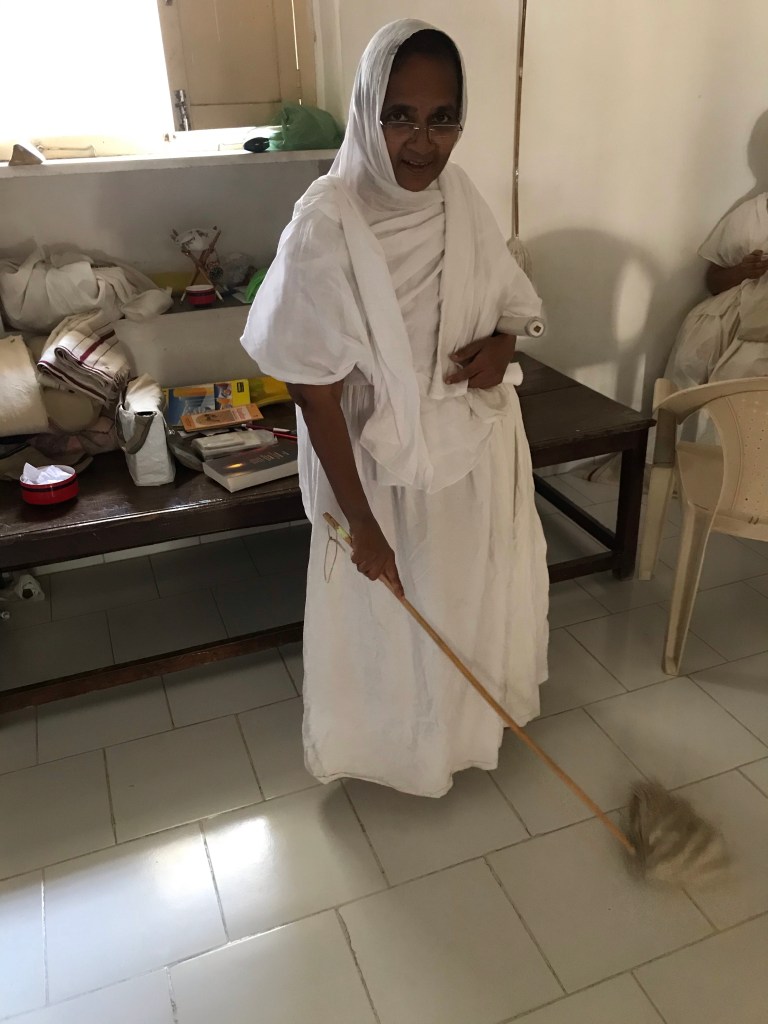
The “Guruji”, or elder nun and mentor to the younger nuns, sweeping away any possible insects on the floor where she will walk19 yr. old nun
Having no permanent abode, they wander barefoot, from place to place, always in small groups, depending on the generosity of villagers for their food, and staying in one place no more than a week. This group consisted of nine nuns traveling together, originating from Mumbai. I was told that their next stop was Udaipur, some hundred and twenty miles away, and it would take them seven days to reach there on foot. I was corrected when I asked if the wooden sticks were for walking and was told: “No, they are for protection. We walk at night and there may be animals on the road.”
During monsoon season they remain in a temple and do not travel for four months.
You must speak to our Guruji. She can give you all the information you need about our life, but she is eating now, and no one is allowed to see us eat.
Guruji, Jain Nun, 57 yrs. old sweeping her eating bowl
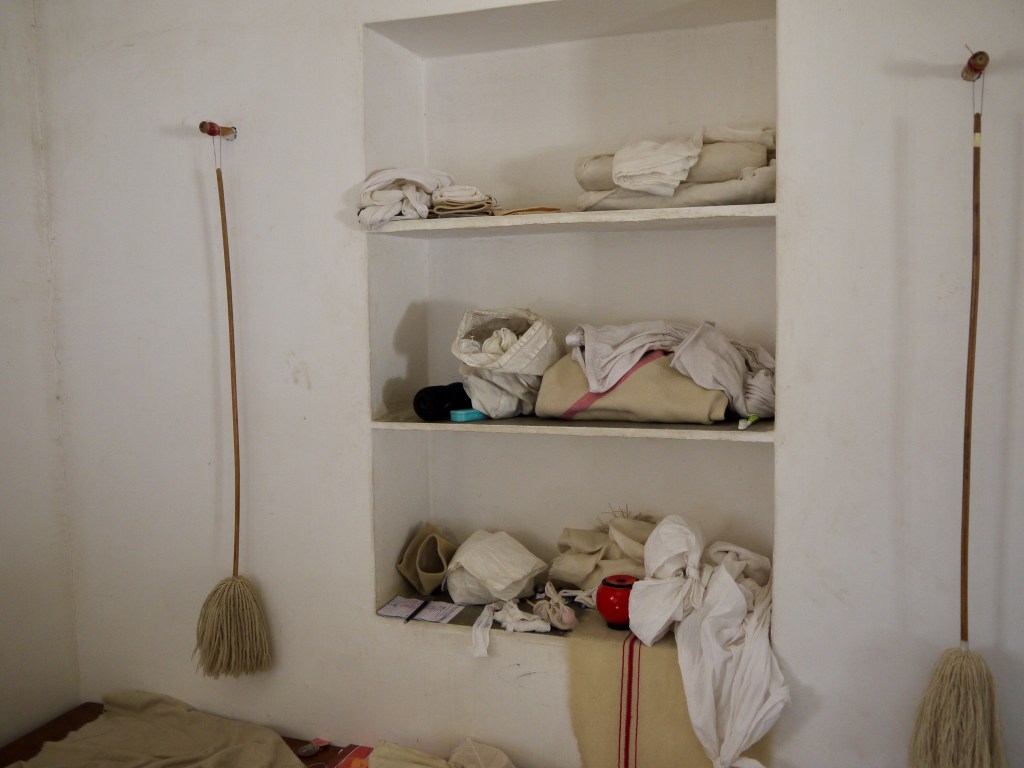
I was shown into the hostel where they were staying and the simple sleeping room consisted of a marble floor with stacks of blankets, several sweeper brooms with cotton tassels, and hand painted wooden eating bowls.
We are non violent and believe every living thing has a soul. We do not eat any foods that grow underground like potatoes,onions and garlic. Why would we want to kill innocent insects and bugs?Our bodies do not need meat, we are pure vegetarians. That is why we wear face masks and sweep the ground we walk on and the bowls we eat from.
The woman in the corner reading the Dharma is the mother of two nuns. She always wanted to become a nun but her family would not allow it. She married, had two girls and a boy. At age thirty her husband agreed for the whole family to dedicate themselves to a monastic life. At the time the daughters were twelve and thirteen and the son was ten.
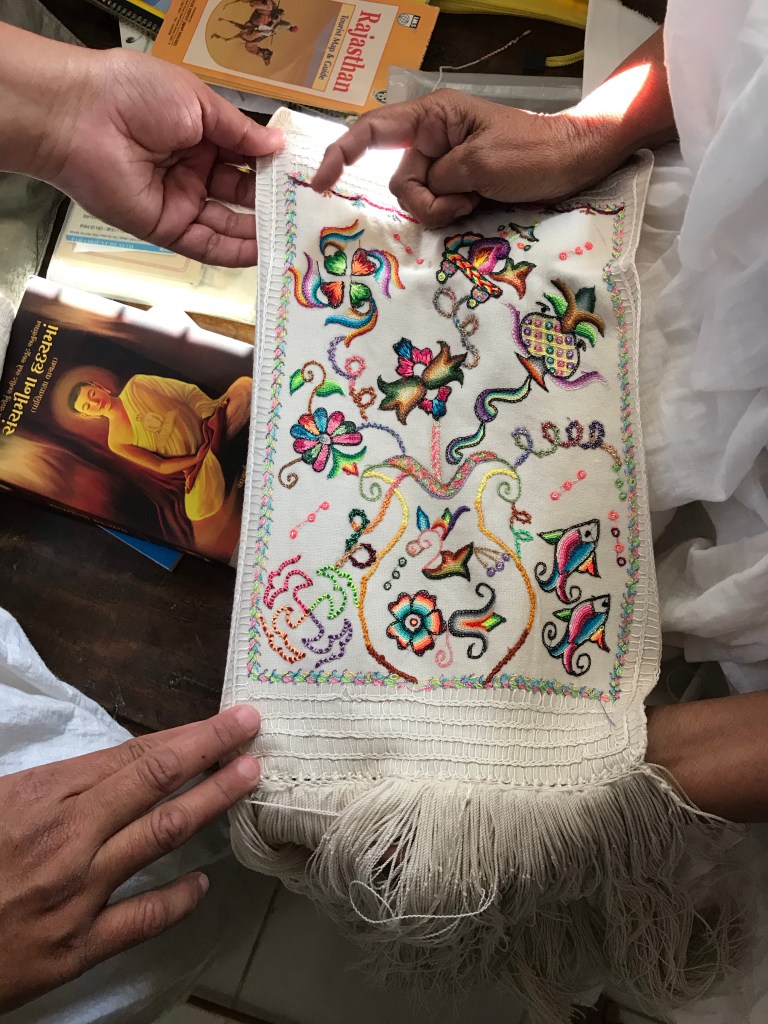
Each Jain nun hand embroiders her own personal banner which she carries with herHand Painted personal eating bowls
It is an arduous life. The Guruji wanted me to know that “we wash our clothes every fifteen days and every seven days we pluck the hairs out of our head by hand.”
Each young woman and nun I spoke to expressed the pure joy they felt in their lives of non-attachment, and the Guruji told me that she receives many requests to lecture in villages and cities on the benefits of living a pure non-violent life.
India has been the birthplace of many of the world’s major religions. We can learn lessons from the Jain dedication to preserving and respecting the environment as well as the sanctity of all living creations.
The first condition of understanding a foreign country is to smell it.-Rudyard Kipling
Take me away to a strange and foreign land and leave me be
Let me lay my head down upon the sand
We’re reaching out for something special our minds may never know
It’s the kind of place we dream of and then let go- Anonymous
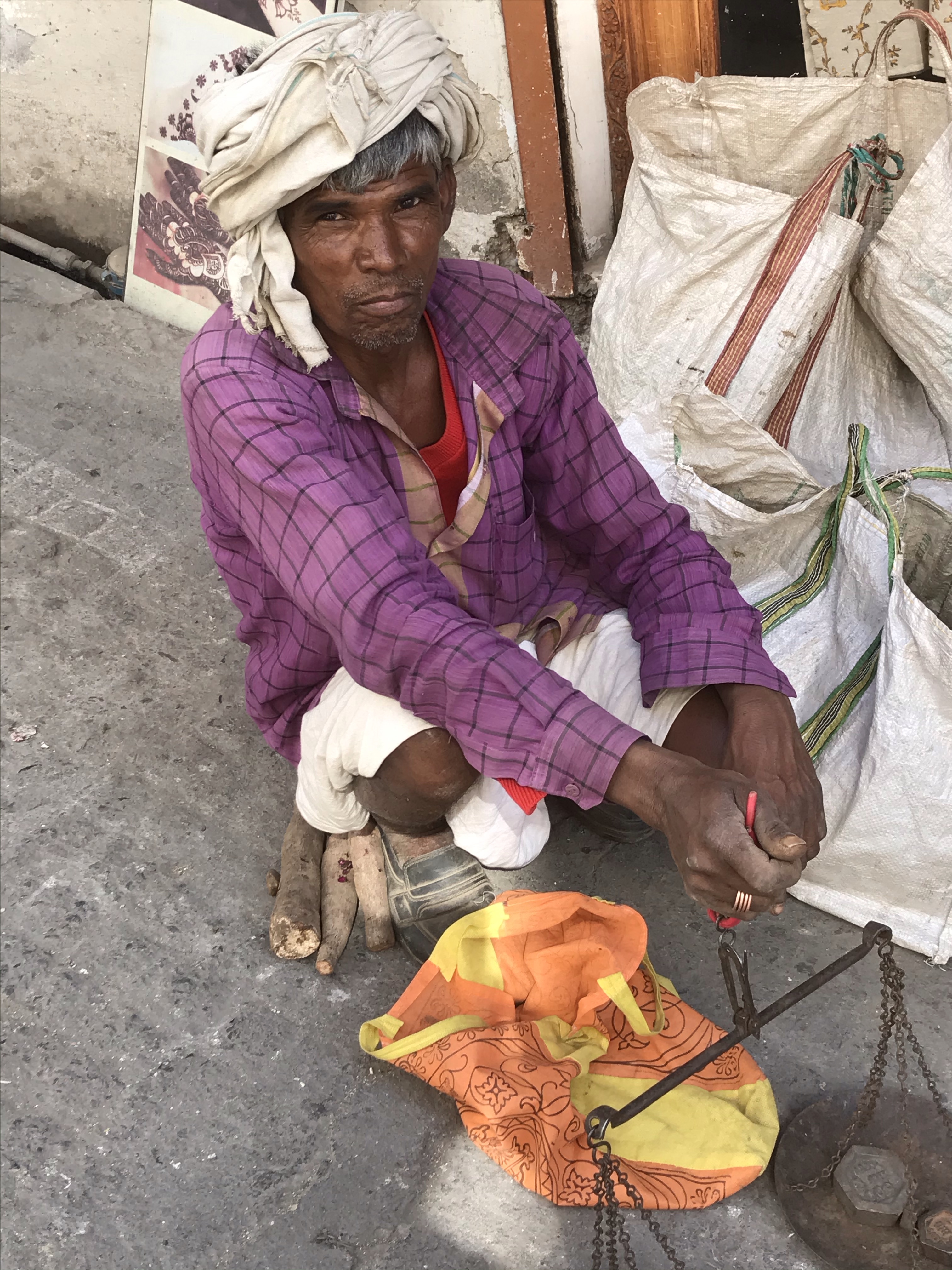
Palaces, two century old Havelis, turbaned peddlers selling turnips,old women piling rocks on mules to transport who knows where, masala chai, samosas sizzling in a giant iron pot., and my favorite deity, Bheruji. This is My Udaipur.
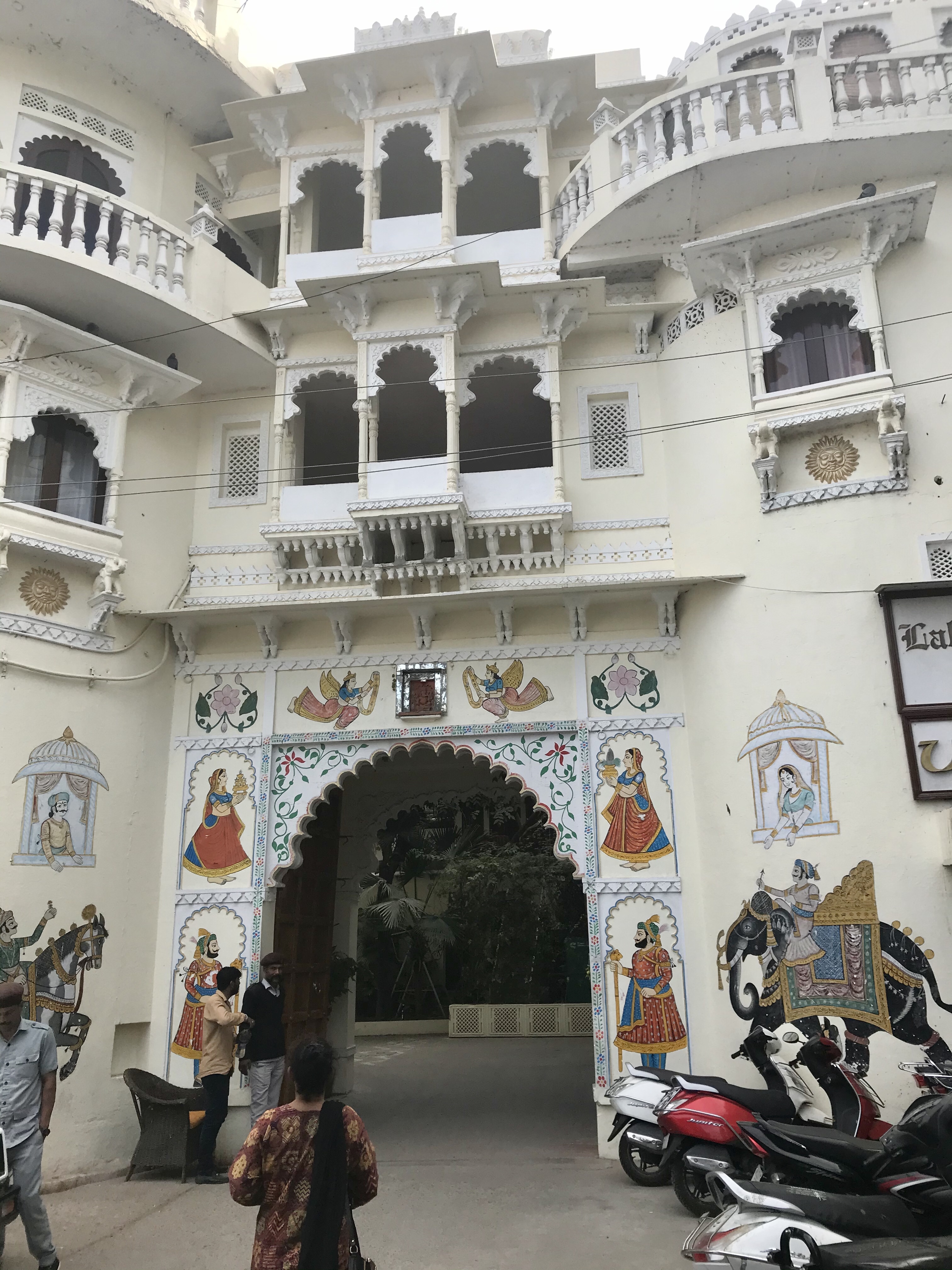
After the hustle and bustle of traveling in Indian cities, arriving in Udaipur is a most welcome respite. Clean air, roof top restaurants, parrots nesting in scalloped recesses of restored buildings once the residences of the royal family.
If a picture is indeed worth a thousand words, come along with me as I walk through the streets of Udaipur.
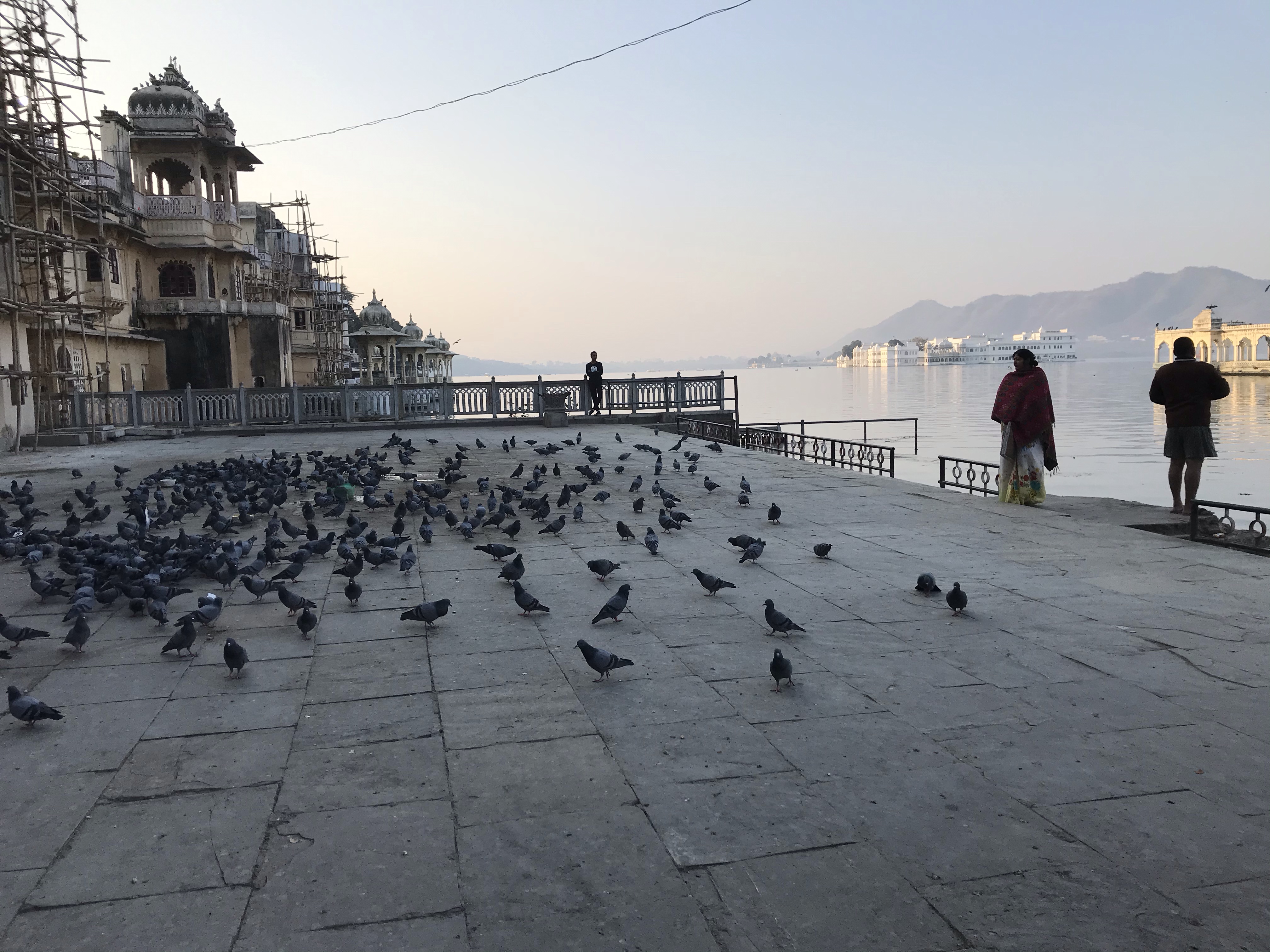
First stop Gangaur Ghat- a holy place by the lake where locals feed pigeons in the early morning to insure good Karma.
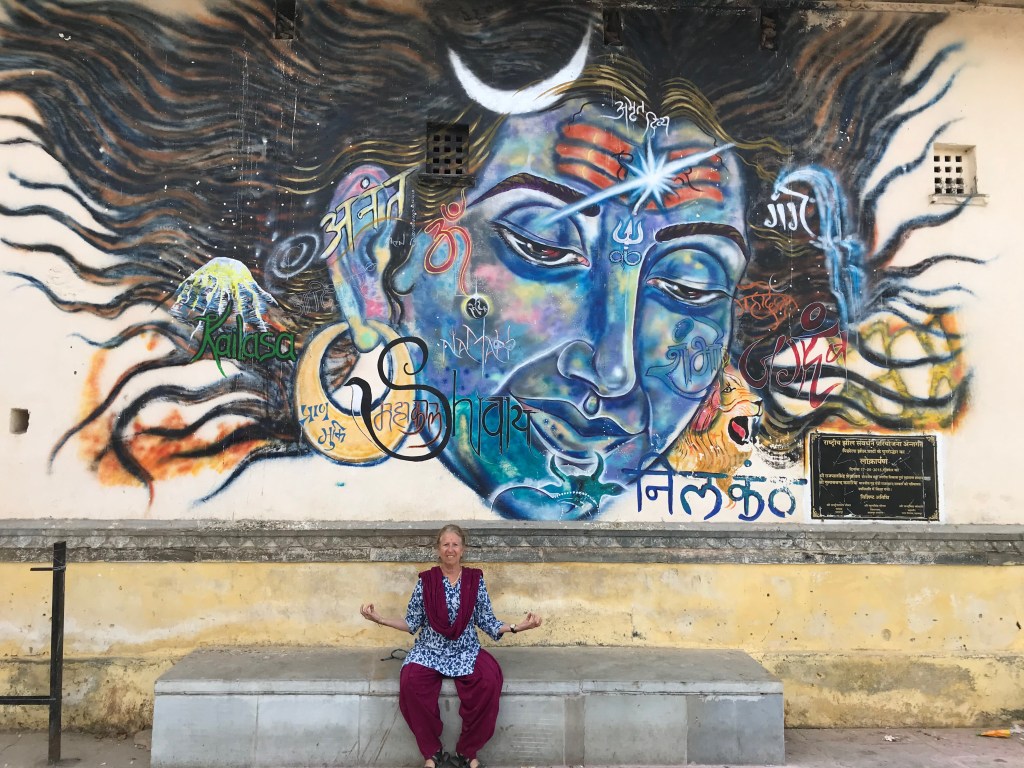
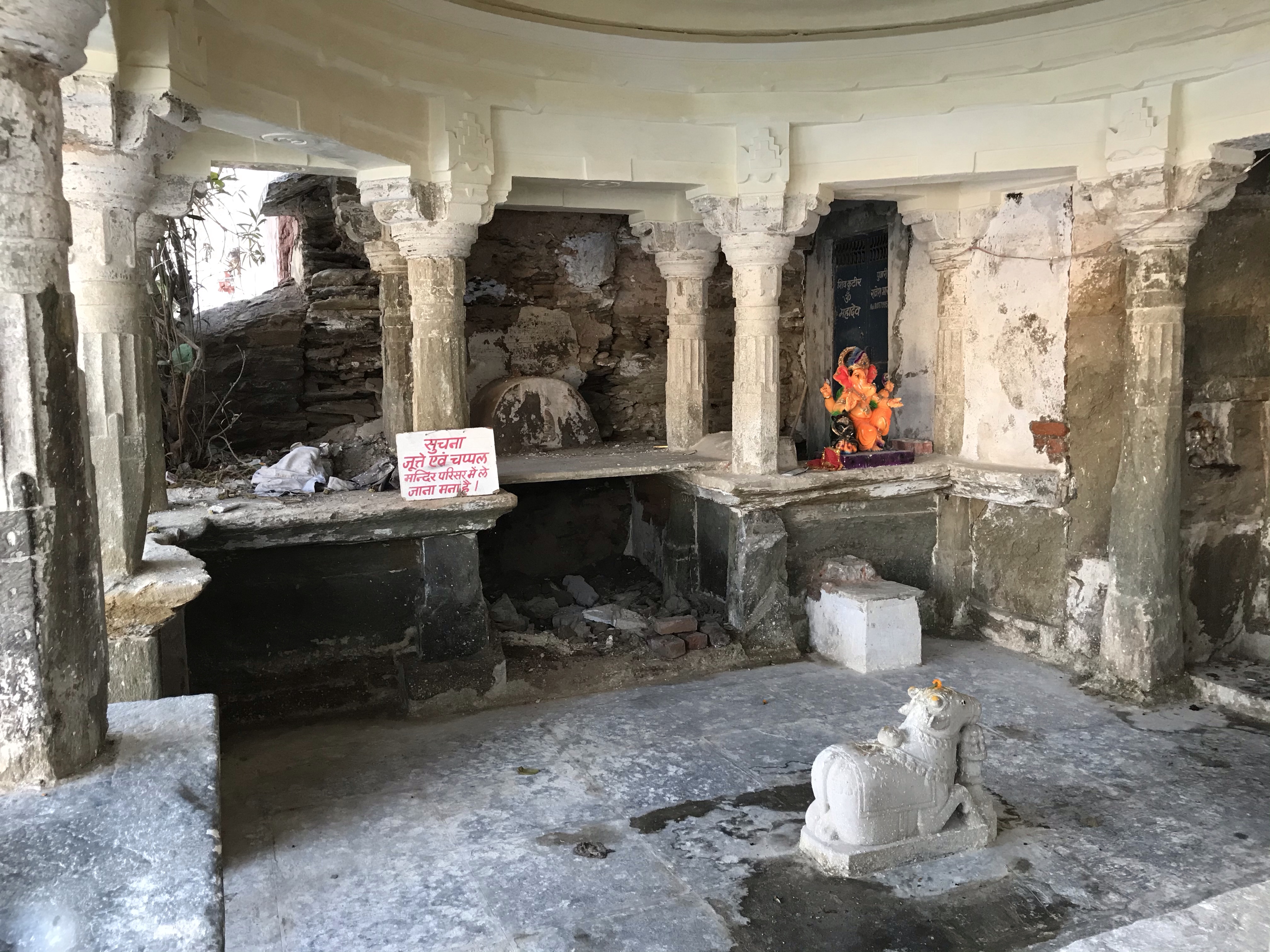
Shiva Shrine
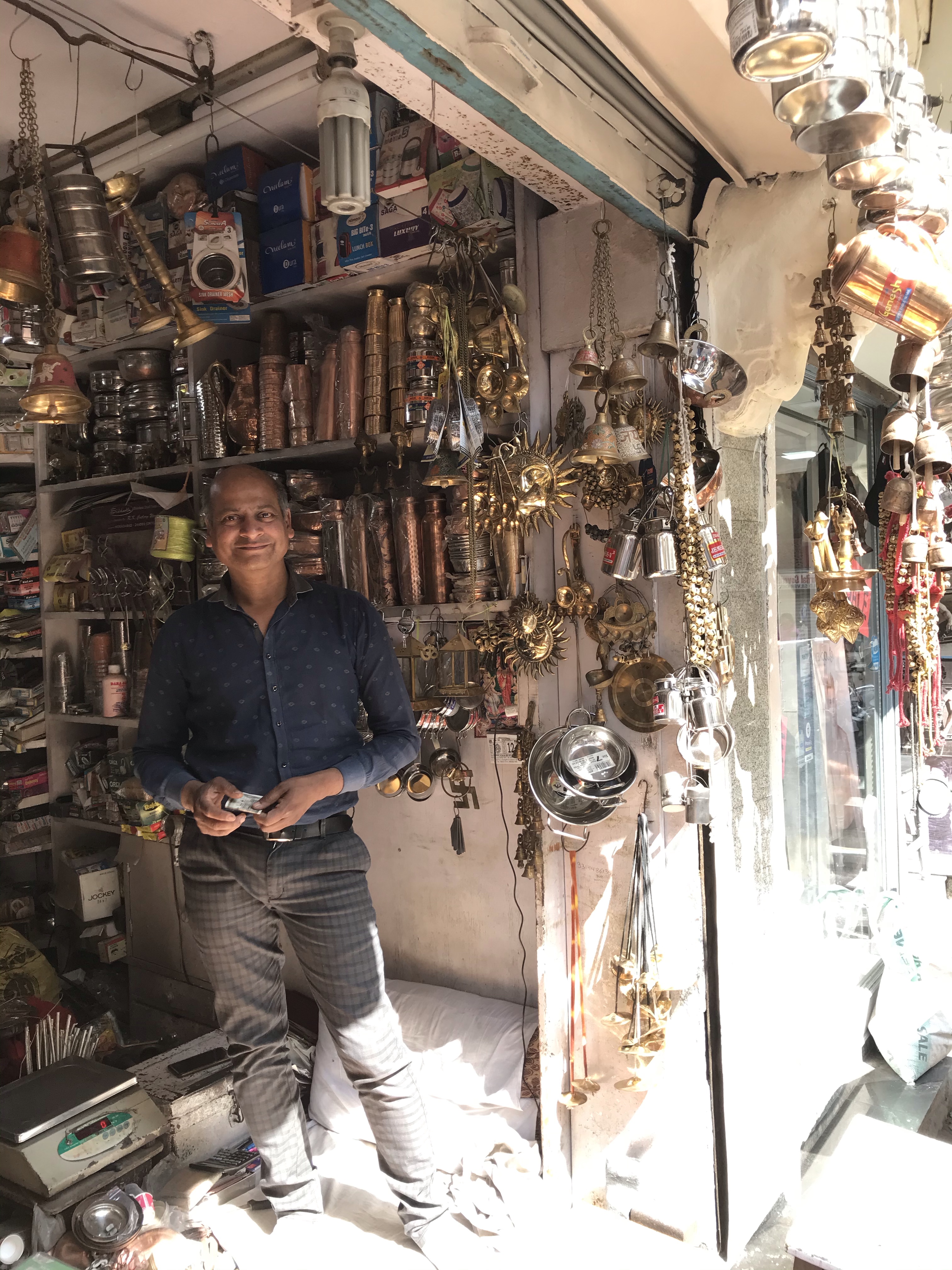
Shopkeepers are starting to open their stores. This one specializes in brass and copper kitchenwares. I bought several from him in years past.
Water seller
The woman in the pink sari in the doorway on the right is waiting patiently for customers.
Jewelry Merchant
The head of the household looks none too happy about the money he is about to spend on jewelry for a forthcoming marriage, but the ladies are thrilled.
Village women working as day laborers transporting rocks with mules
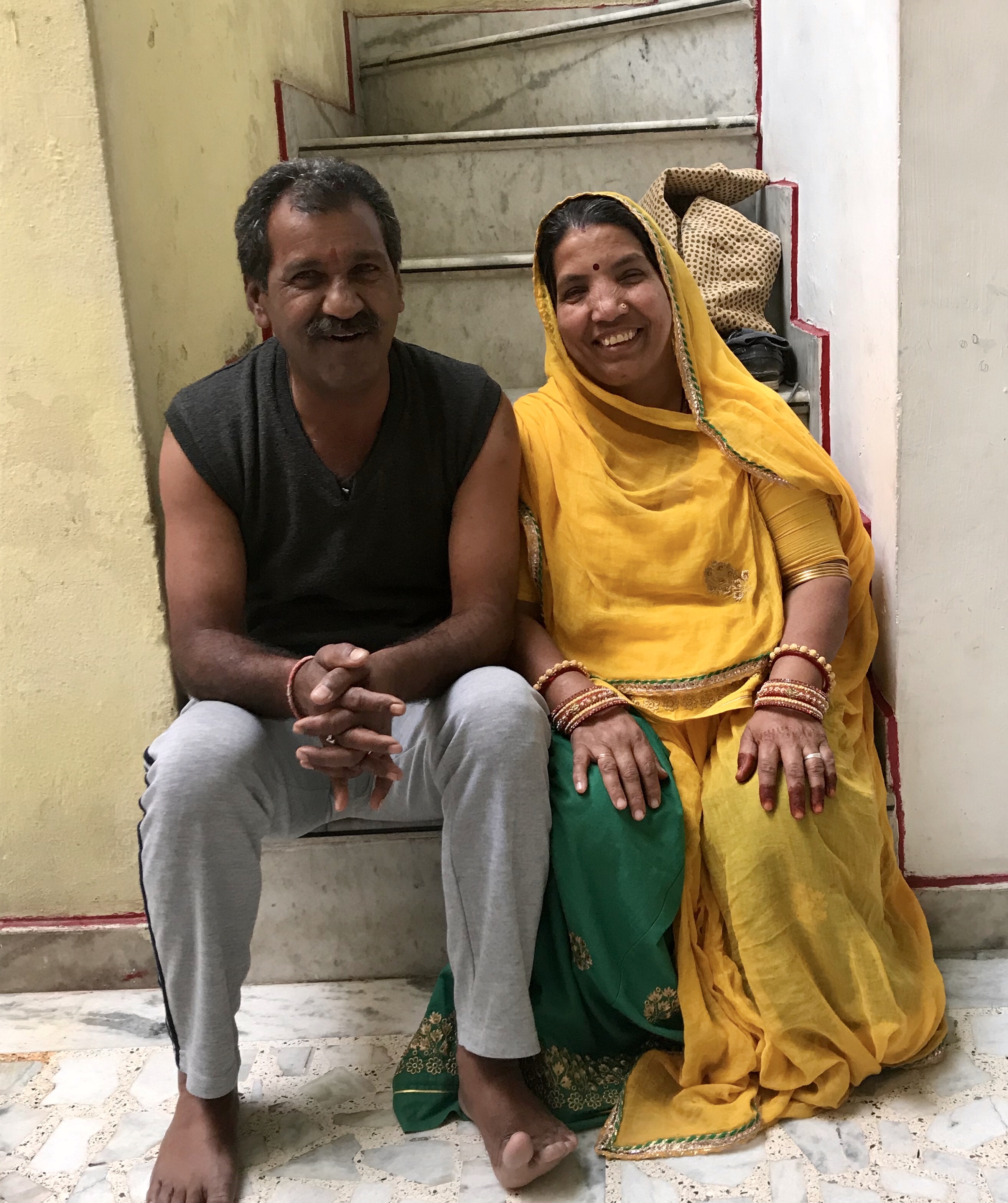
Our feet are weary and we’re thirsty. A stop for chai at our friends Prem and Kesar. After one hour of playing with the grandchildren and eating too many biscuits, we are ready to move on.
Prem and Kesar, our long time friends
Post funeral rituals by the ghats
I hear drums and see a long procession of women coming down the street. We change directions and follow them as we head to the ghats. They are celebrating the life of an elder in the village who died twelve days ago.
Turnip Seller selling his wares
Udai Koti Palace Hotel
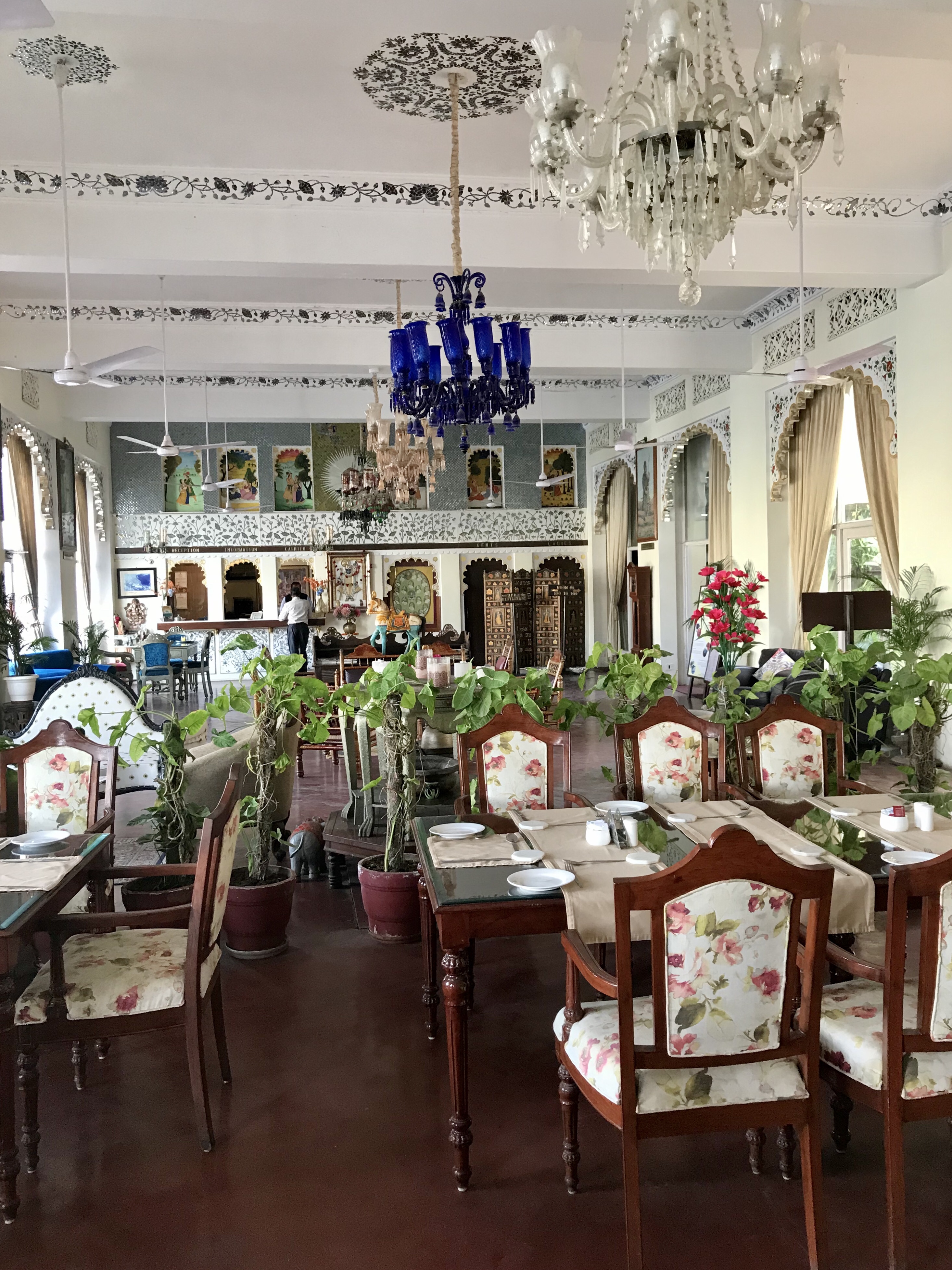
Over the bridge to the other side of the lake for lunch at a former royal palace,Lake Pichola Hotel, passing magical palaces of a bygone era on the way.
Dining room of Lake Pichola Hotel
Lake Pichola Hotel
Time to go back to our lovely old haveli hotel, and pay my respects at one of the many shrines in town dedicated to Bheruji- a local deity favored by rural women.
Bheruji
Sitting on the rooftop terrace all the troubles of the world seem very far away.
Yes, do buy a gown for the marriage, it’ll be so much fun! We’ll go shopping together.
Don’t buy a gown, you’ll only want it for one day, yes? I can bring you some to try on and see what you like.
You’ll be needing help with getting ready for the wedding, ma’am?
I can lend you jewelry and shoes if you like, ma’am. No worries.
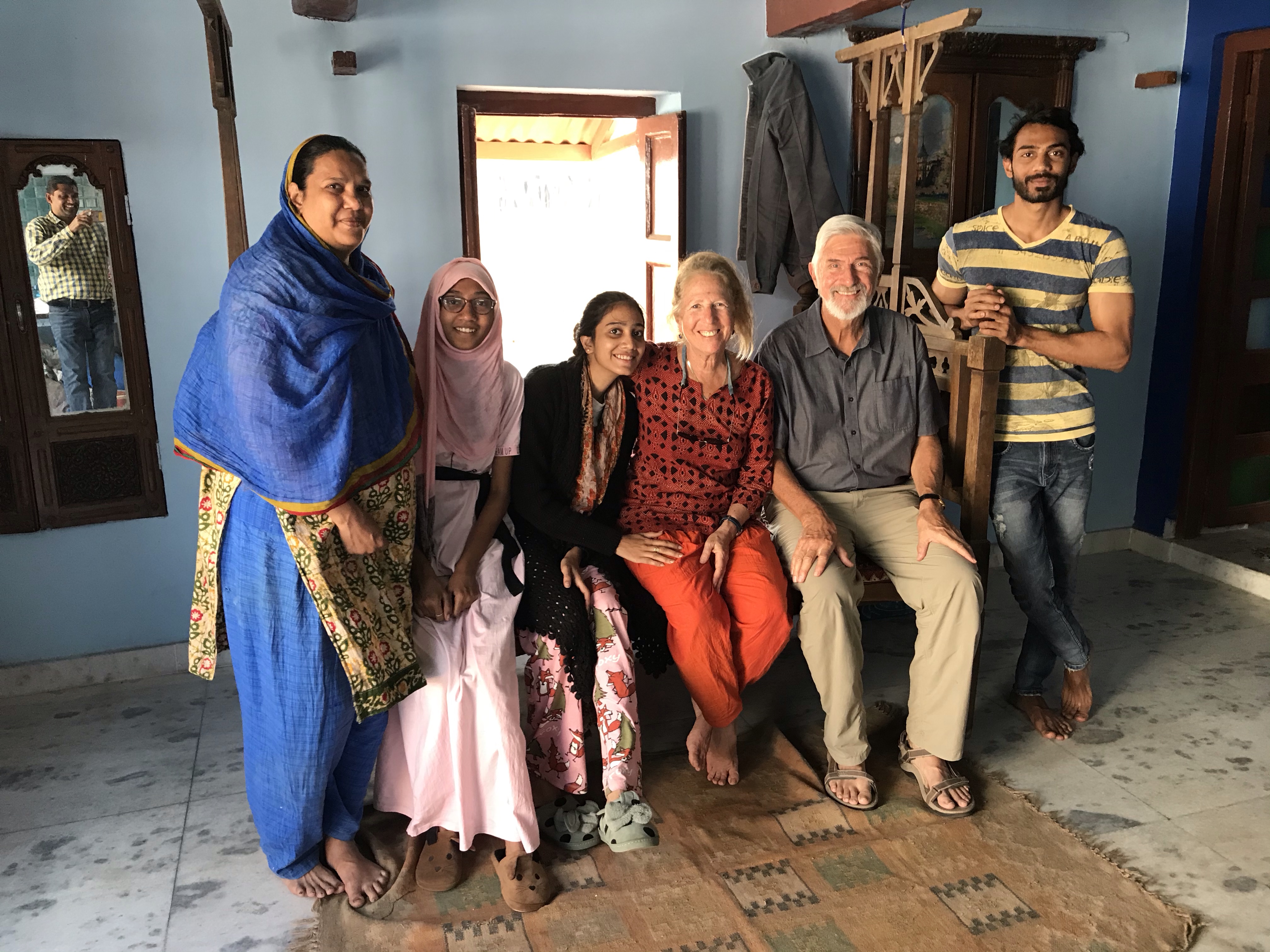
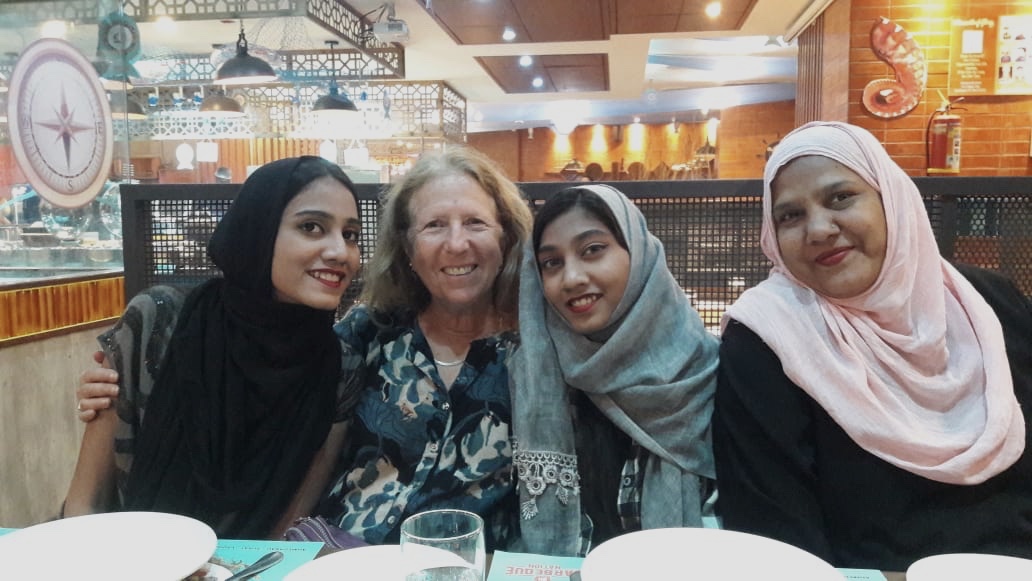
Since arriving in India we have been “adopted” by numerous people and treated like members of the family. We are often asked, with a look of surprise, why we have not brought our children and their spouses with us. “Next time,” we reply sheepishly. Indians tend to travel in large family groups of eight or more, except when they go on a honeymoon. Grandparents on both sides as well as aunties,cousins and children go on vacation together. Two lone travelers are an unusual sight.
We were thrilled when our friend Shaikh Mukaram invited us to his niece’s marriage and that we would be part of the wedding party. Although we have attended many Hindu weddings, this would be our first Muslim one.
She is very poor, my sister, but there will be over 1500 people at the wedding.
Shaikh’s father has eleven brothers and three sisters and his mother has seven brothers and six sisters. He has one brother and four sisters and his wife has three brothers and three sisters. Ubed, his son, estimated that he has three hundred cousins!
Nilam, one of the teachers at Manav Gulzar Community Center,offered to find a dress for me to borrow.
I have so many sarees but no gowns, I don’t know if you’ll like what I have.
Nilam
After teaching the workshops with the children I am usually exhausted so the thought of going to shop for a dress, no matter how much fun it might be, seemed overwhelming. I said that I was sure anything she had for me would be fine.
You need jewelry too, right?
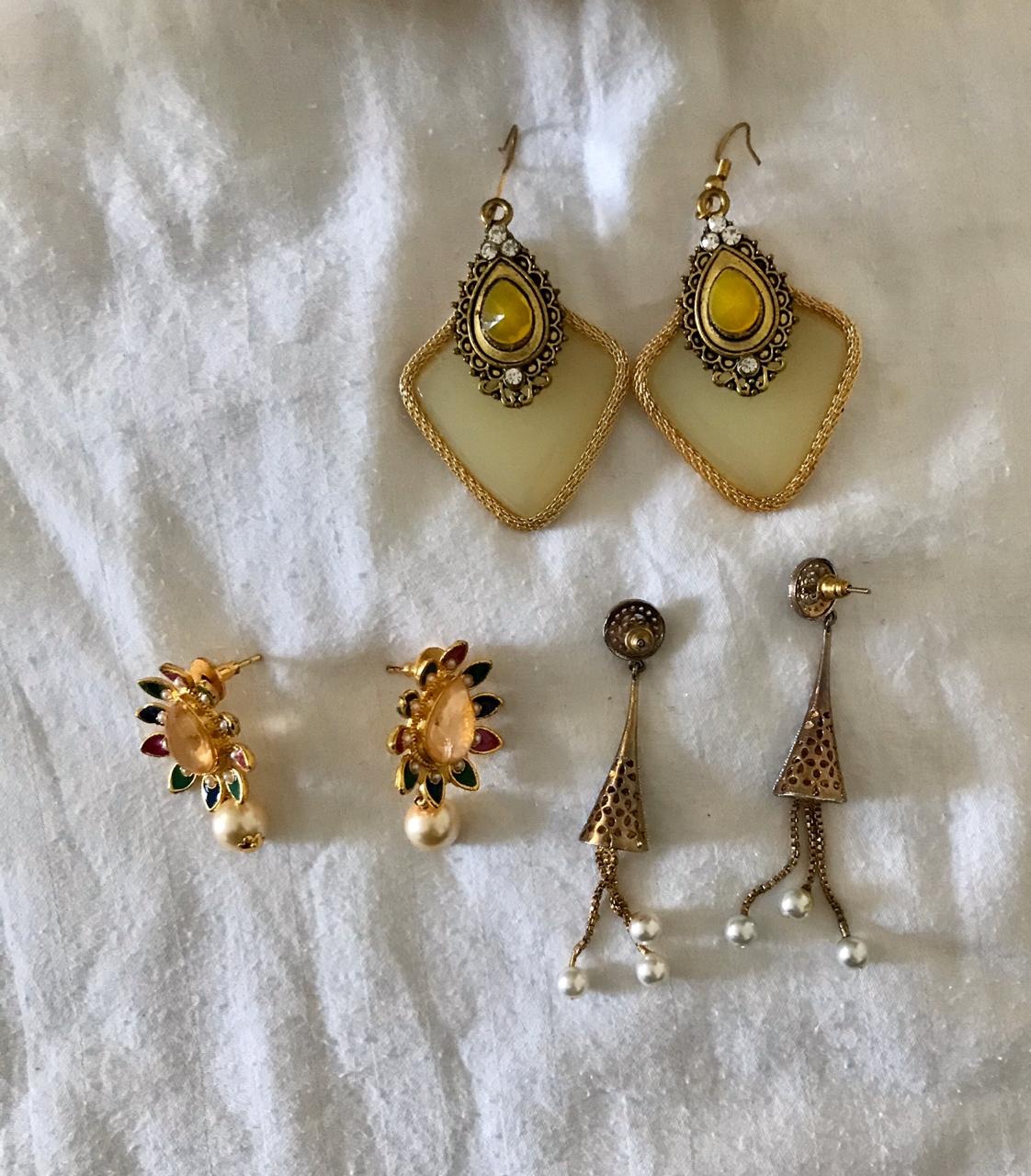
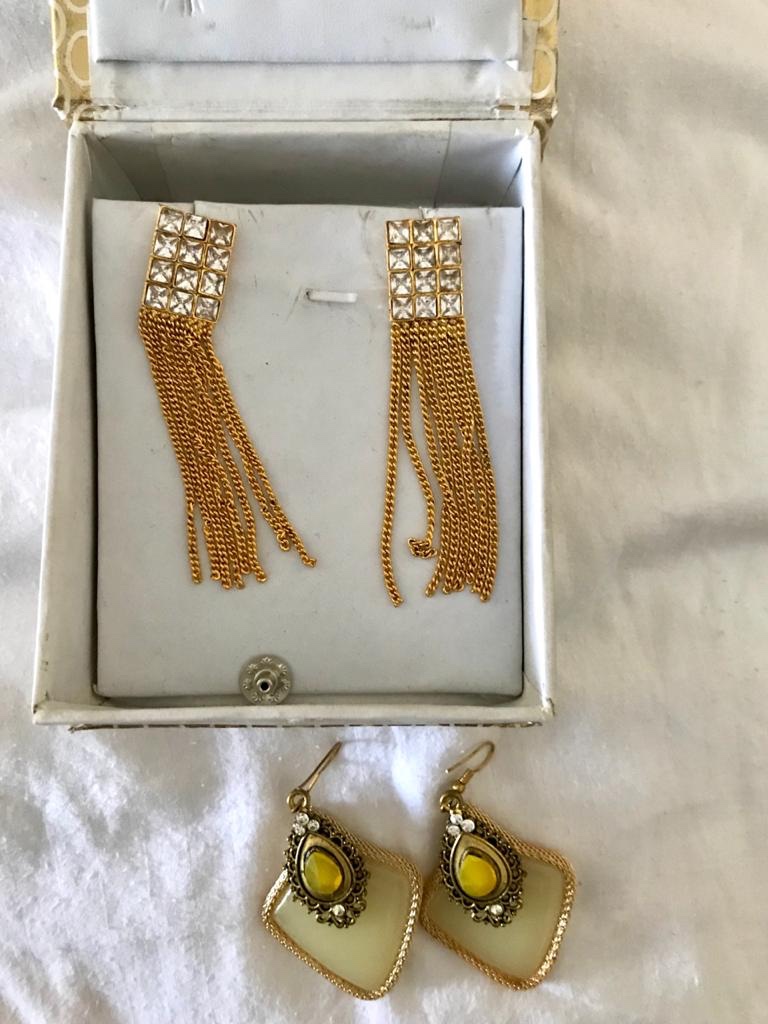
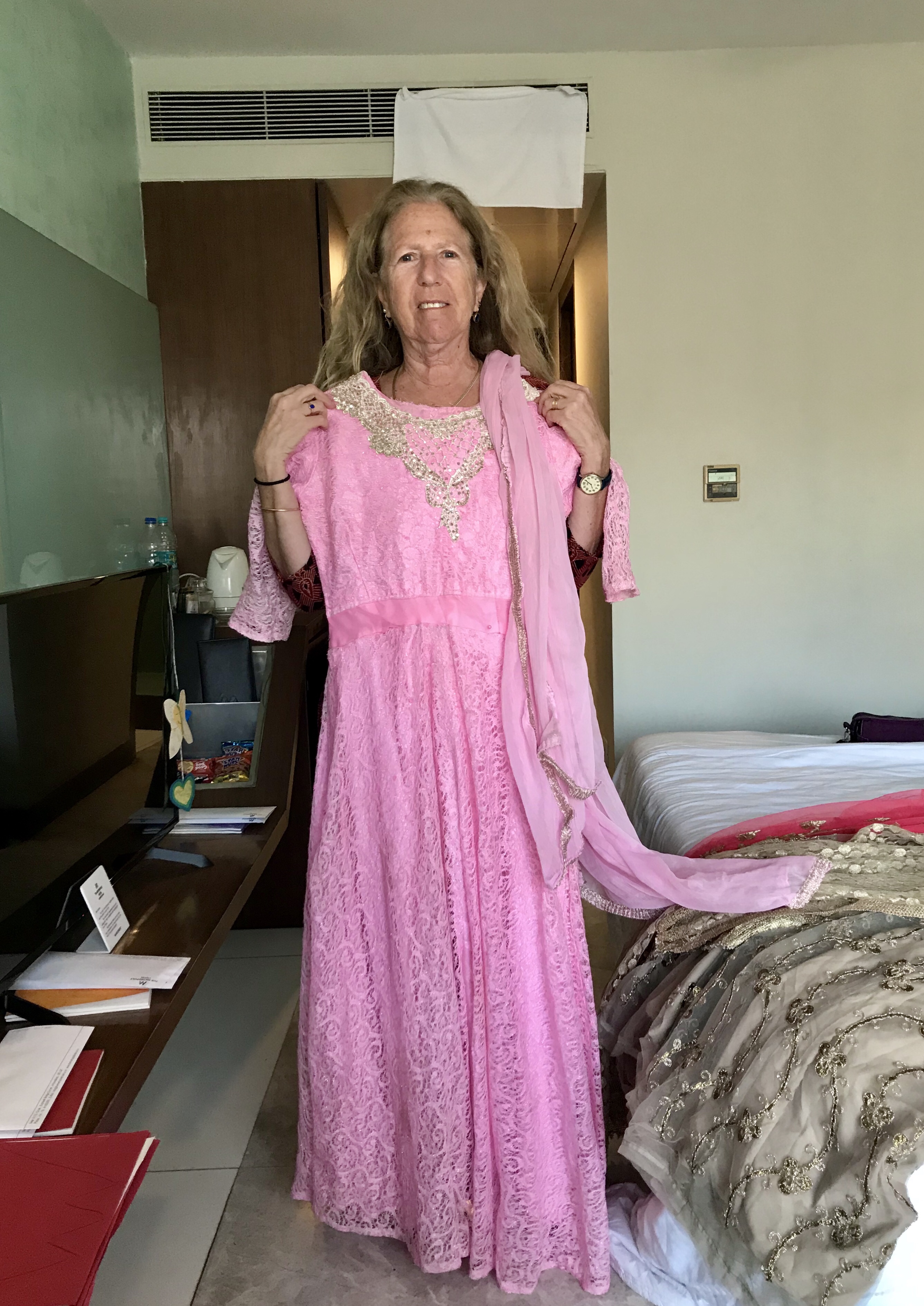
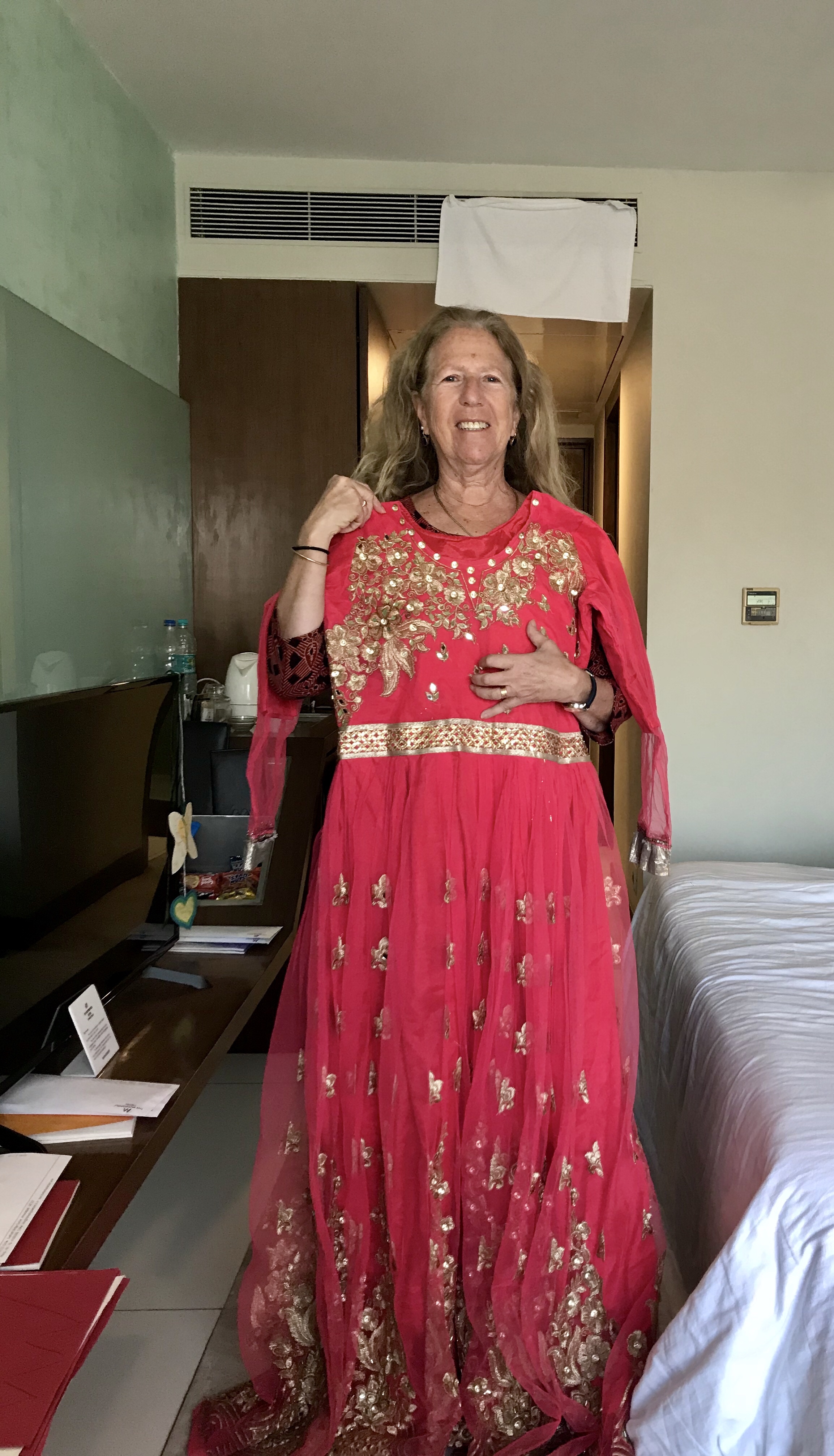
The next day a big bag with three beautiful gowns and masses of costume jewelry arrived.
How to decide? Ask my friends on Facebook of course and have a vote! With opinions pouring in from India, Cambodia,Italy, France, Germany, England and the USA, the festivities started off with a bang.
The red is more striking
Quello in alto a destra,oro (Italy)
No need to choose,because you always beautiful (Cambodia)
Even pink is gorgeous…but I would suggest U go in Red it has a festive look in my opinion Best for the occasion. (India)
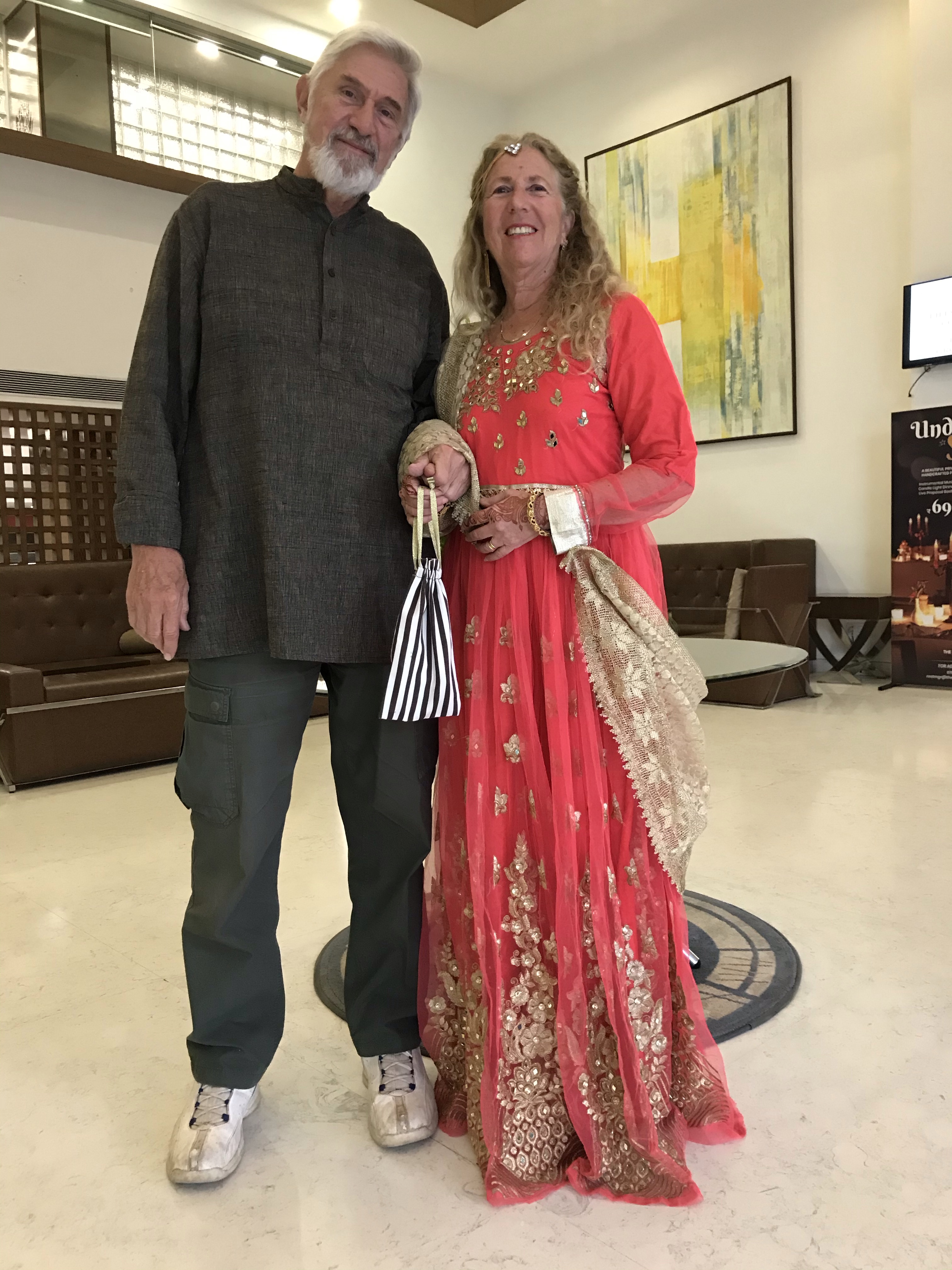
When the tally came in with more than one hundred and fifty votes counted, Red was the surefire winner. I felt like a princess with all the gold and sequins and glitter. Rusda, one of Shaikh’s daughters, agreed to come shopping with me for shoes and go together for the Heena hand painting the day before the wedding.
When Dhairya, one of the front desk managers at my hotel found out that I had no shoes she quickly piped in. “I have some shoes I can lend you. No worries. My Mummy and me have some pairs that we share for weddings. I’ll bring them by and you can see if they fit. “
Things were coming together quickly and it was the Friday before the wedding.
gown-check
earrings and bangles- check
gold sandal heels- check
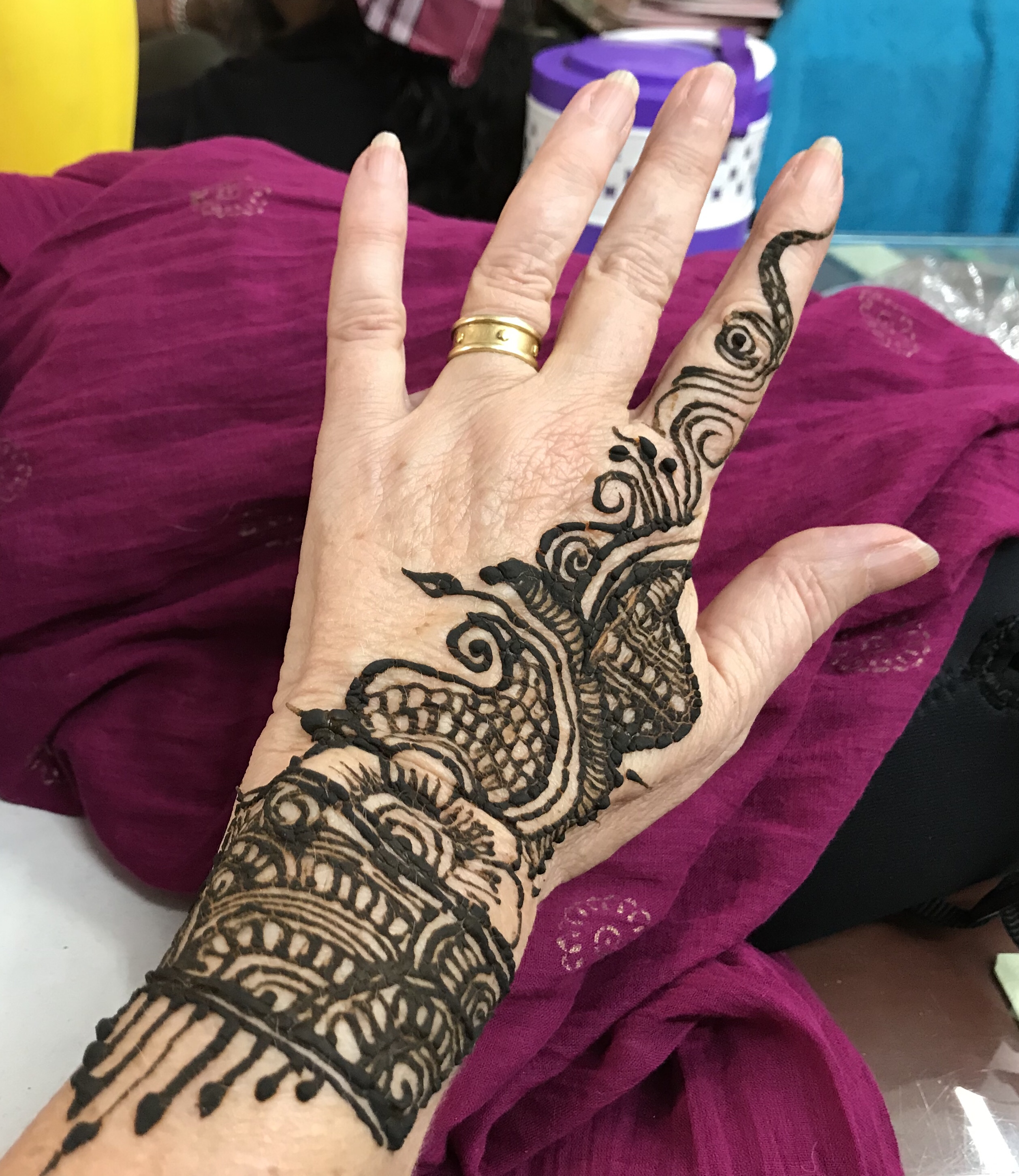
Now it was time for the Heena.
Name and place where I will meet you tomorrow Rusda?
General hardas ngav nav lakhaa malek shaban ki dargah
Huh? Even with the Google map pinpoint I could tell it was complicated and I’d never find it.
I think maybe I won’t come. I’m afraid of getting lost.
Yaa it’s too far From your hotel.
I had resigned myself to not getting my hands painted and was commiserating with Jagat who runs the Earn and Learn program at Manav Sadhna.
Don’t worry. Nita can do it for you. I just have to send Kasturbhai to the market to get some Heena. Wait here.
I waited for forty five minutes until he returned from the market, as the first market had no more Heena. It is wedding season and there is a big rush for the Heena coloring. It is a tradition for women friends and family members to get their hands painted . Nita is an artist and in twenty minutes she had finished two beautiful traditional designs on both my hands while Jagat sang songs extolling the love between Gerald and I. Don’t ask me why he decided to do this, but he was enjoying himself so much I didn’t ask.
Before
After
Jagat Bhai
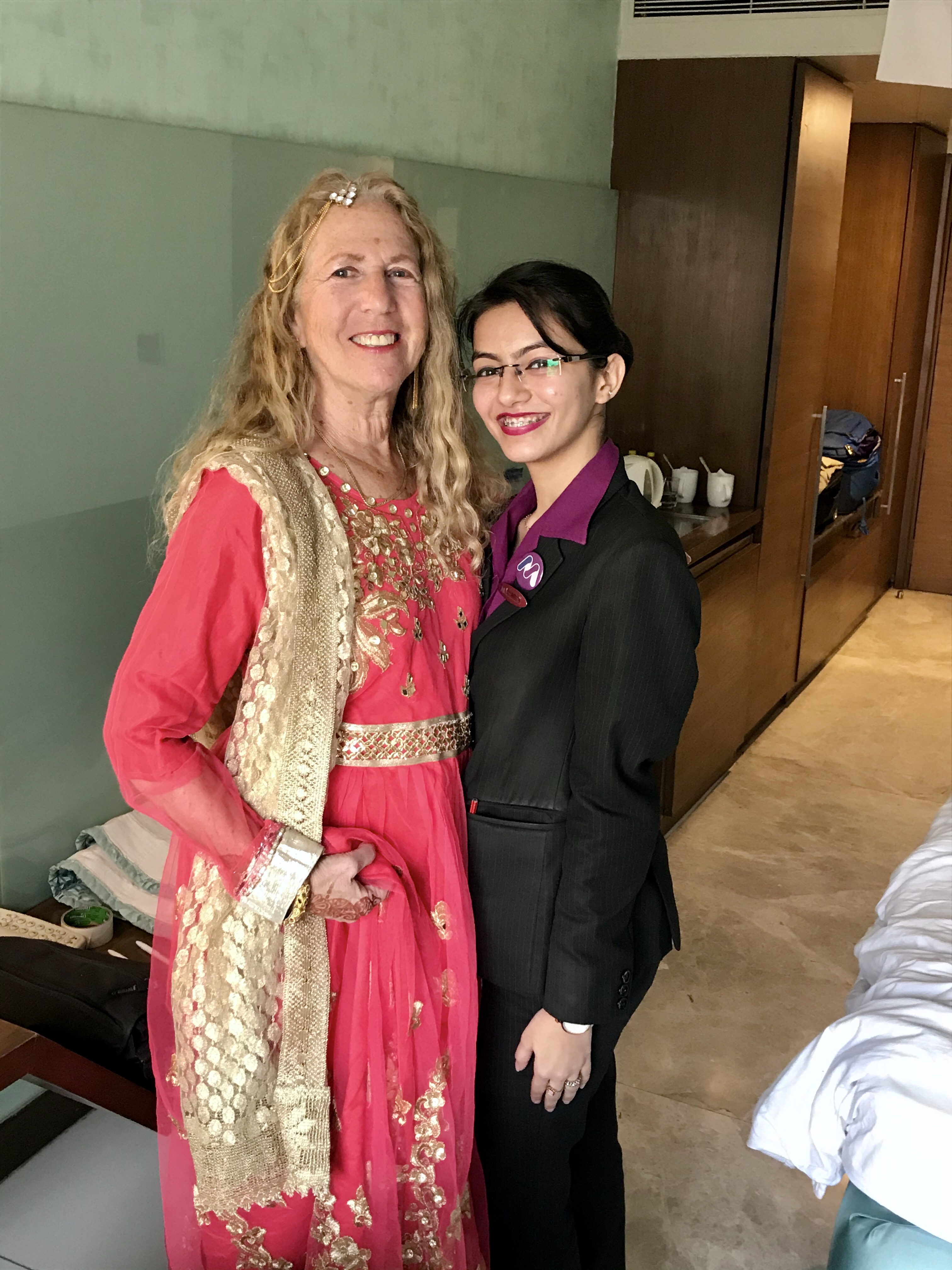
Saturday arrived and Dhairya arranged her schedule to free up some time to help me get ready. She insisted on calling me ma’am and although it bothered me at first, like most things in India, I got used to it.
Ma’am you must wear the diamond earrings, more Indian, others too Western. And yes, the diamond jewels draped on your forehead.
I left everything for her to decide and reveled in the pampering-make-up, jewelry, perfumes, the works.Gerald didn’t have anything special to wear, especially on his feet, but he had a Kurta. No chance of borrowing anything his size from anyone here in India.
When I made my grand entrance in the lobby of the hotel, you would think a movie star had arrived. The Indians gave their thumbs up approval and insisted on taking endless selfies with me.
Since we had no idea what a Muslim wedding would be like, but had been told that it was a more restrained affair-without the exuberant music and dancing of the Hindus, we had no expectations.
The evening started off by going to the home of the bride’s mother to watch the last minute make-up preparation. It was in a poor section of town where in 2002 Hindu Nationalist riots were responsible for the burning of many homes in the Muslim quarter. Shaikh’s sister’s home was among those that were destroyed. The Indian government did nothing to quell the riots and did not pay to rebuild. It was the Muslim community that helped her.
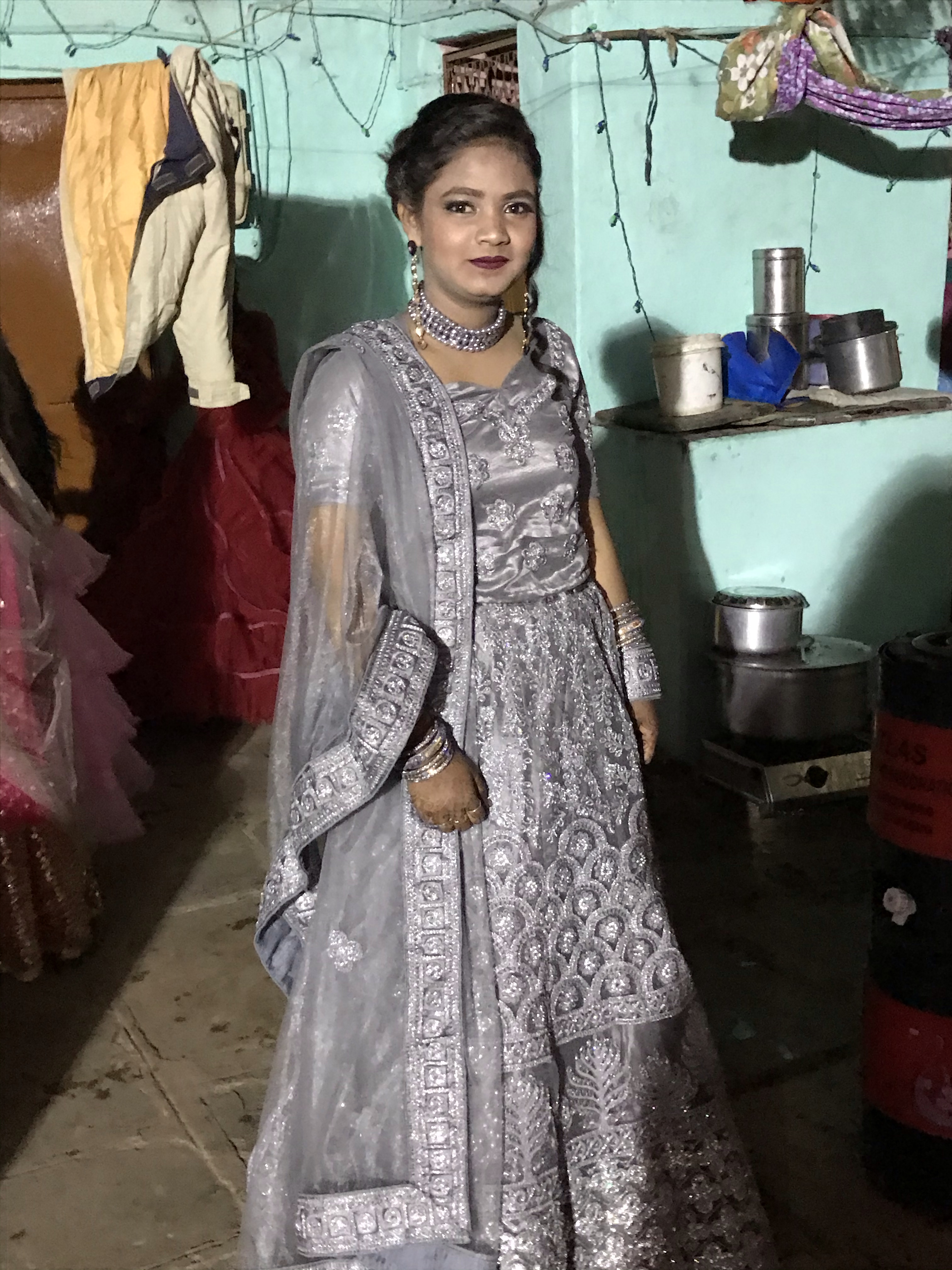
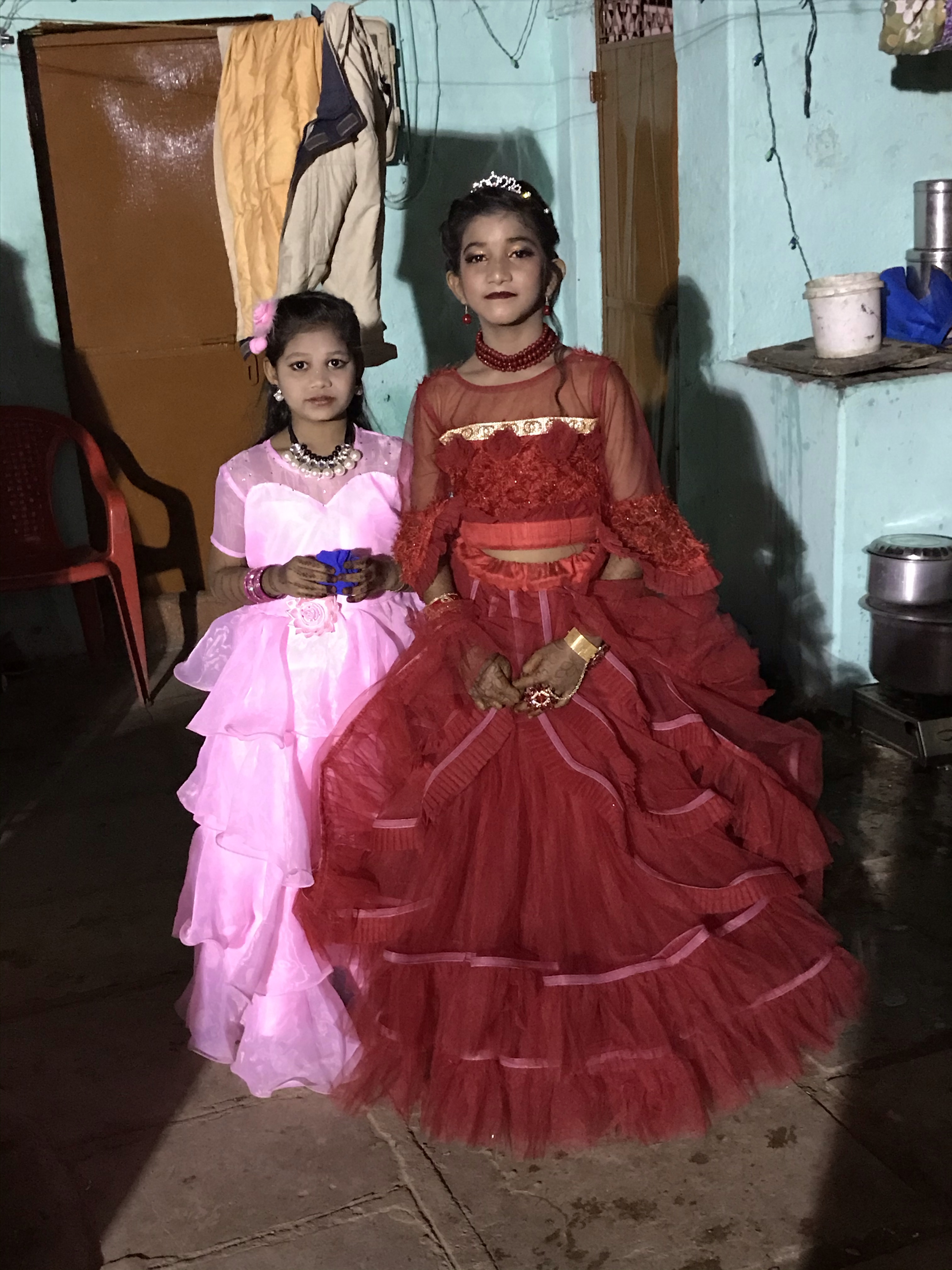
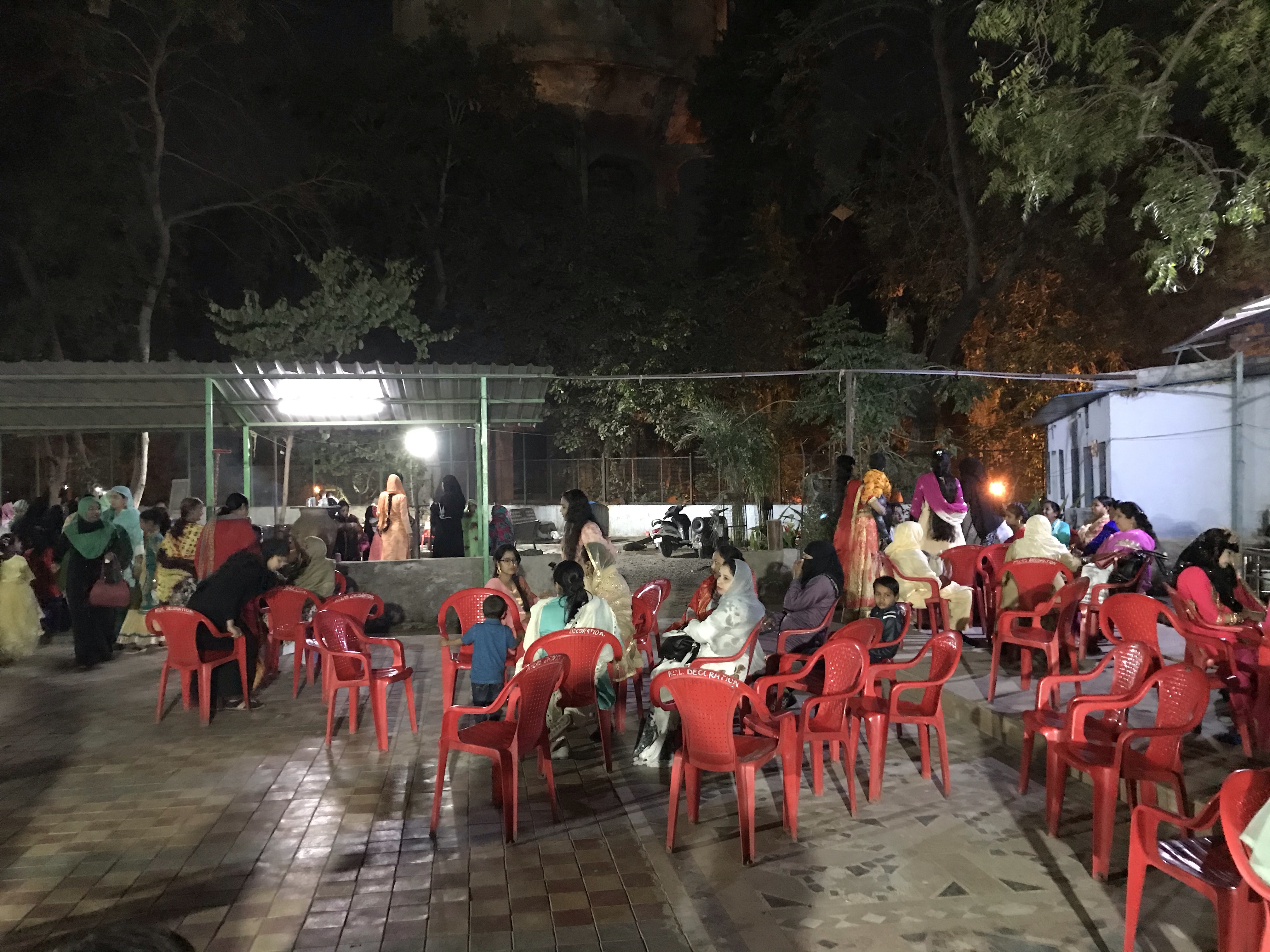
A type of canopy had been set up in the small courtyard of the quarter, and many neighbors were milling around as well as young cousins who were already dressed for the wedding. The housing quarters were tiny, barely enough room for three women to dress the bride. We stayed outside near the mosque.
Cousins
We then piled into Shaikhs car, leaving Rusda and her mother to come with the relatives. “It wouldn’t be nice if we didn’t stay with the family and go together with them. We will see you there.”
The earthen courtyard outside the mosque was dimly lit when we arrived, and it certainly did not look like a wedding venue. There was a stage set up with a throne, set against a blue and white striped curtain as back drop. The groom’s family (only about thirty five male members) sat below, looking glum and not talking to one another.We clabbered over the uneven dirt path with me holding my gown by the hem, trying not to trip over my heels while we crossed the courtyard into the bride’s section.
SPLAT! All of a sudden I felt the sole of one shoe detach from the heel. I limped awkwardly while lifting my gown off the ground in the futile hope of keeping it clean.
Shaikh’s brother to the rescue! When hearing of my dilemma he quickly appeared holding a tube of heavy duty glue. It just so happens he owns a clothing and shoe shop and was prepared for such emergencies.
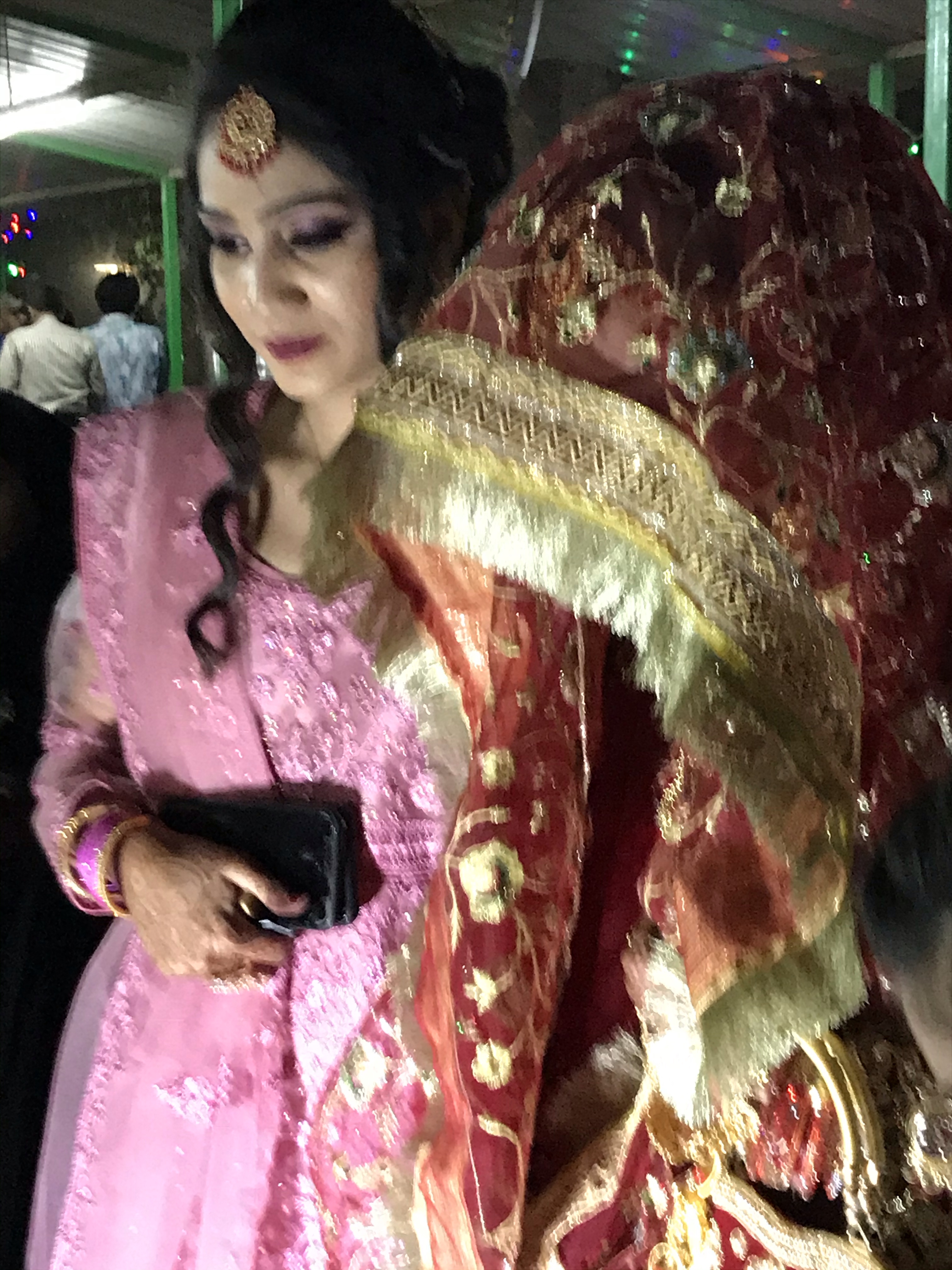
The bride’s section was a dazzling display of kitsch and bling, with women wearing earrings that looked like metal chandeliers , or sculptures that you might see hanging decoratively on a wall.
The bride arrived in a car, veil covering her face,and was immediately escorted by Rusda onto the stage where she remained for the next two hours. We were ushered onstage to sit next to her and have our photos taken, along with other relatives. At one point she started crying and her auntie leaned over and spoke soothing words and gave her a hankie. In India, after marriage the bride goes to live with the husband’s family and does not return to her family. It is a very emotional moment.
The groom arrived and took his place, far away from the bride.
Food was served on large platters to be shared communally- rice, dal and a mutton curry.
There was no Imam (priest). Shaikh’s brother brought the marriage contract onstage first to the bride and then to the groom, still seated in different parts of the courtyard. The “ceremony” was now complete. The couple, officially married,would see each other for the first time only well after midnight at the groom’s house,when a mirror would be placed between them and the veil removed.
The wedding, rather than an elaborate celebration was more a large family reunion. As Westerners it is difficult for us to fully comprehend the complicated role that family plays in Indian society. It encompasses a strong sense of duty, devotion to tradition, and is an enormous source of happiness.
I decided to ask random questions of young Indians that I met in order to gain more insight into their thoughts about how they saw their lives and future. Although I usually am more concerned with women’s lives and their challenges, this time I focused more on men. In no particular order this is what they had to say.
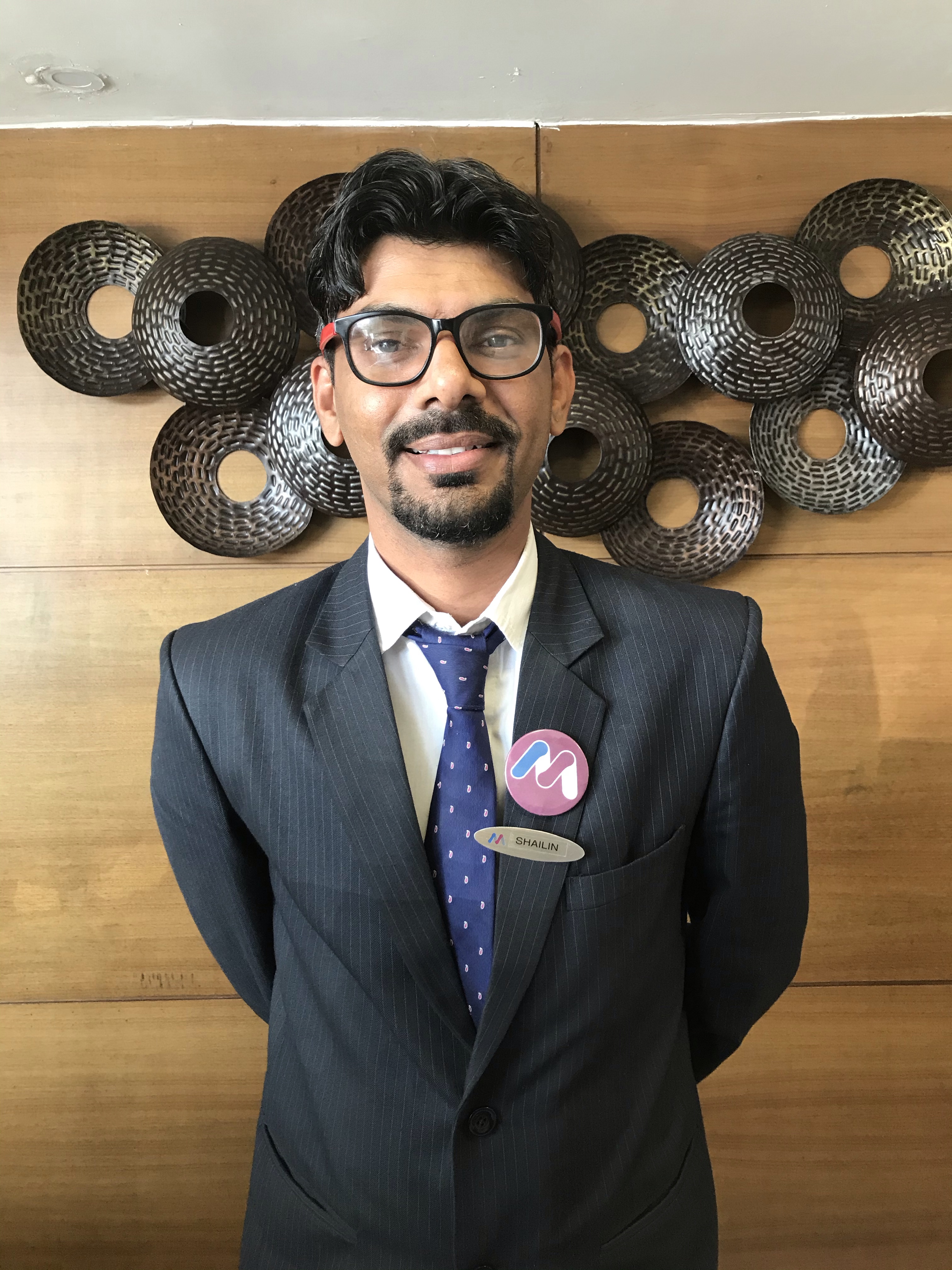
Shailin, 34 years old
We met Shailin six years ago when we first stayed at The Metropole Hotel in Ahmedabad. He was working at the front desk and was unmarried. He is now married with two children and is an assistant manager.
What would you wish for to come true in the next five years?
For my whole family to be united. You see I have two children now and they are growing up without their cousins. Mytwo brothers live in the US- Connecticut and Georgia, and we don’t get to see each other very often. That is my greatest wish. Getting money is something everyone will strive for and of course it’s necessary but I don’t care so much about that. It’s my family that’s most important.
Shirish, 40 years old
Shirish was born in Mumbai and adopted as a three month old by a Belgian couple. He was a successful hip hop dancer and choreographer in Europe and gave that up to move to Ahmedabad to devote his life to teaching dance to the children at Manav Sadhna.
What brings you the greatest joy in your life?
Working with children, and seeing them grow and evolve.
Hardik,35 years old
Hardik was a guest at a Hindu wedding we attended recently. He is married and has a good job at The Bank of India. His wife also works in finance.
What is most important to you in your life?
Ashkardam Temple and my faith. Ilove the temple it is so beautiful. Have you visited it?
It is a sect of Hinduism dedicated to Swaminarayan, a yogi who died in 1830. The Delhi temple, believed to be his divine abode, is in the Guinness Book of Records as the largest Hindu Temple in the World.
Fabane,22 years old
On my flight from Kerala to Chennai, Fabane was my seatmate and we struck up a conversation. I asked him if he was a singer or musician because he was wearing earbuds and was listening to music intently while singing aloud joyously. With his good looks and winning smile I thought maybe he was a famous musician. He told me he was a professional cricketer and was on his way to a match. I don’t remember how it began, but we started talking about religion. He is Muslim.
D: Are you religious?
Fabane: Yes. I pray five times a day.
D: What do you like most about your religion?
His eyes lit up and he grinned.
Fabane: I love Allah.
Architecture Students
These young women were staying at our hotel and were a diverse group of Hindu and Muslim students, both conservative and contemporary.
Will you all have arranged marriages?
(With lots of giggles and blushing) Yes.
Do you think your husbands will permit you to work after marriage?
(Enthusiastic response) Yes.
What about after having children?
Blank stares and no response.
I have been casually doing interviews with Indians that I have met over many years,on buses, trains,on the street, and I am struck by how open and willing they are to share their culture and deepest personal thoughts with me.
The more things change the more they remain the same
A gentle wind is blowing throughout India, it’s not yet a gust, but its effects can certainly be felt.
What do an architecture student from Gujarat, a chartered accountant from Kerala, and an illiterate villager from Rajasthan have in common? All are women and have or will be having an arranged marriage.
India is a fast growing economy with over one billion people and many are entering the growing middle class. Being thrust into the modern digital age has created new possibilities for work opportunities and social communication. But how has it affected one of the most important aspects of the society, marriage?
Ninety-five percent of all marriages in India are arranged, however the method in which this is accomplished has evolved dramatically. Traditions die hard and so these changes are mainly visible in urban areas.
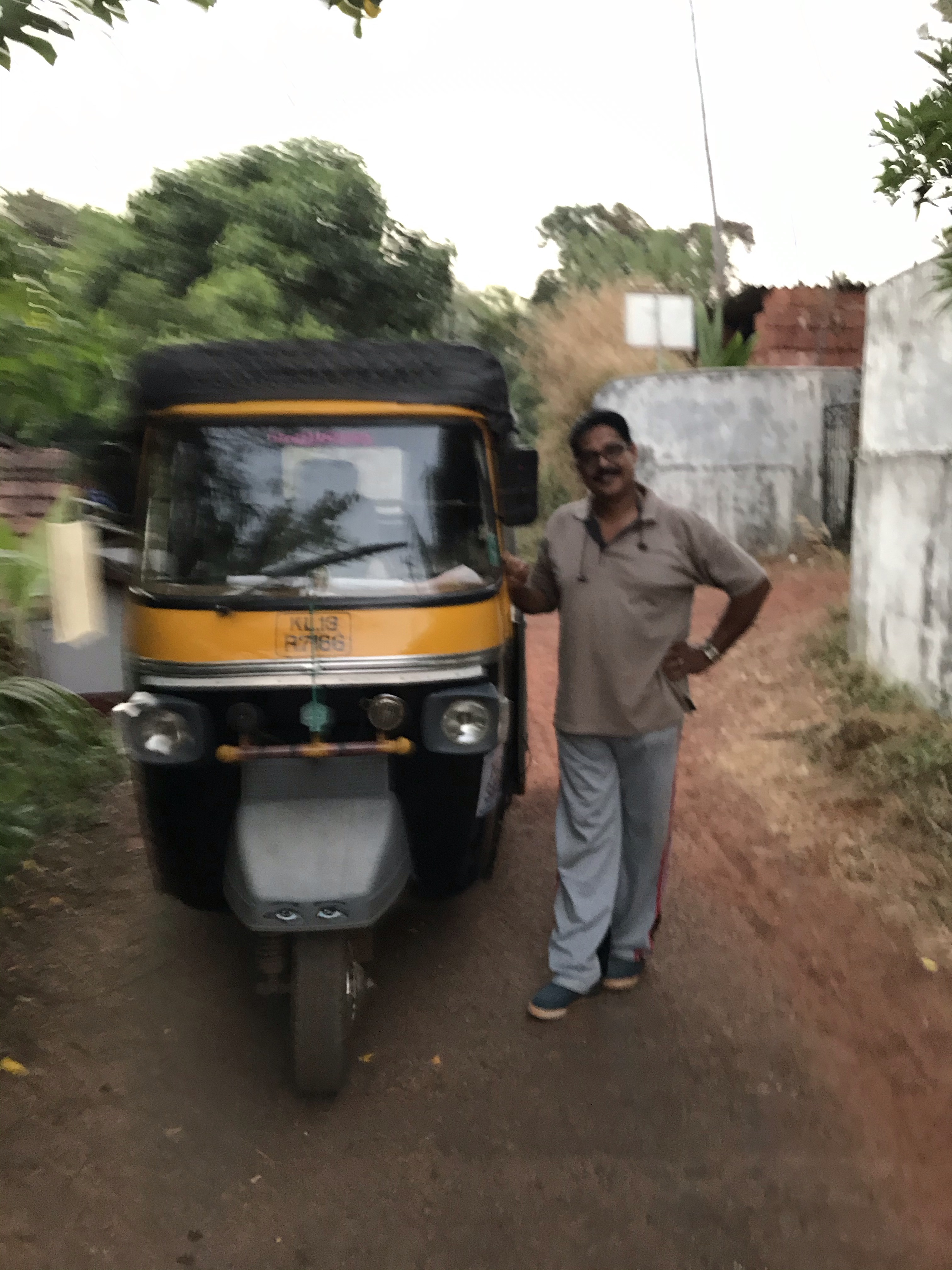
Vineeth, our rickshaw driver/guide in Kerala has two daughters. Although he and his wife have been exposed to modern ideas and both his daughters have Masters degrees, his girls will only meet their husbands on the day of the wedding, not before. Attention is given to choosing a compatible spouse in terms of education, values, economic promise, and of course, horoscope. One daughter is already married,and her husband, like the majority of Keralan men, works in Abu Dhabi (a fertile ground for Indians to earn high salaries). The second daughter will be married once she completes her chartered accounting program. I asked her how she felt about not meeting her husband. “It’s the way I was brought up. We are accustomed to it since childhood and I accept the tradition. “
Marriage in India is about devotion, duty to the family, sacrifice and permanence. It is seen as a contract that needs to be fulfilled. Love is expected to develop and flourish only after marriage. I don’t have any statistics to back me up, but from casual observation it seems to work fairly well in many instances.
Shaikh, our Muslim driver/guide in Gujarat,also has two lovely daughters and one son. Many of his clients are highly regarded experts in Textiles or Cultural Anthropology and he is well versed in any number of academic subjects. Yet his wife and both daughters wear burquas, and his daughters also will not meet their husbands until the wedding day.
In both these instances although the marriages are arranged in a very traditional manner, the chosen husbands will be ones who will accept an educated woman as their equal. This is in stark contrast to the arranged marriage system in conservative Rajasthan. Prem Singh, our longtime Driver/friend in Udaipur has three sons. He too, is exposed to contemporary thoughts and leanings of the day, but his sons have married illiterate village girls who were promised from birth, all from the same village as his wife. Their roles are to take care of the household and have children(preferably males).
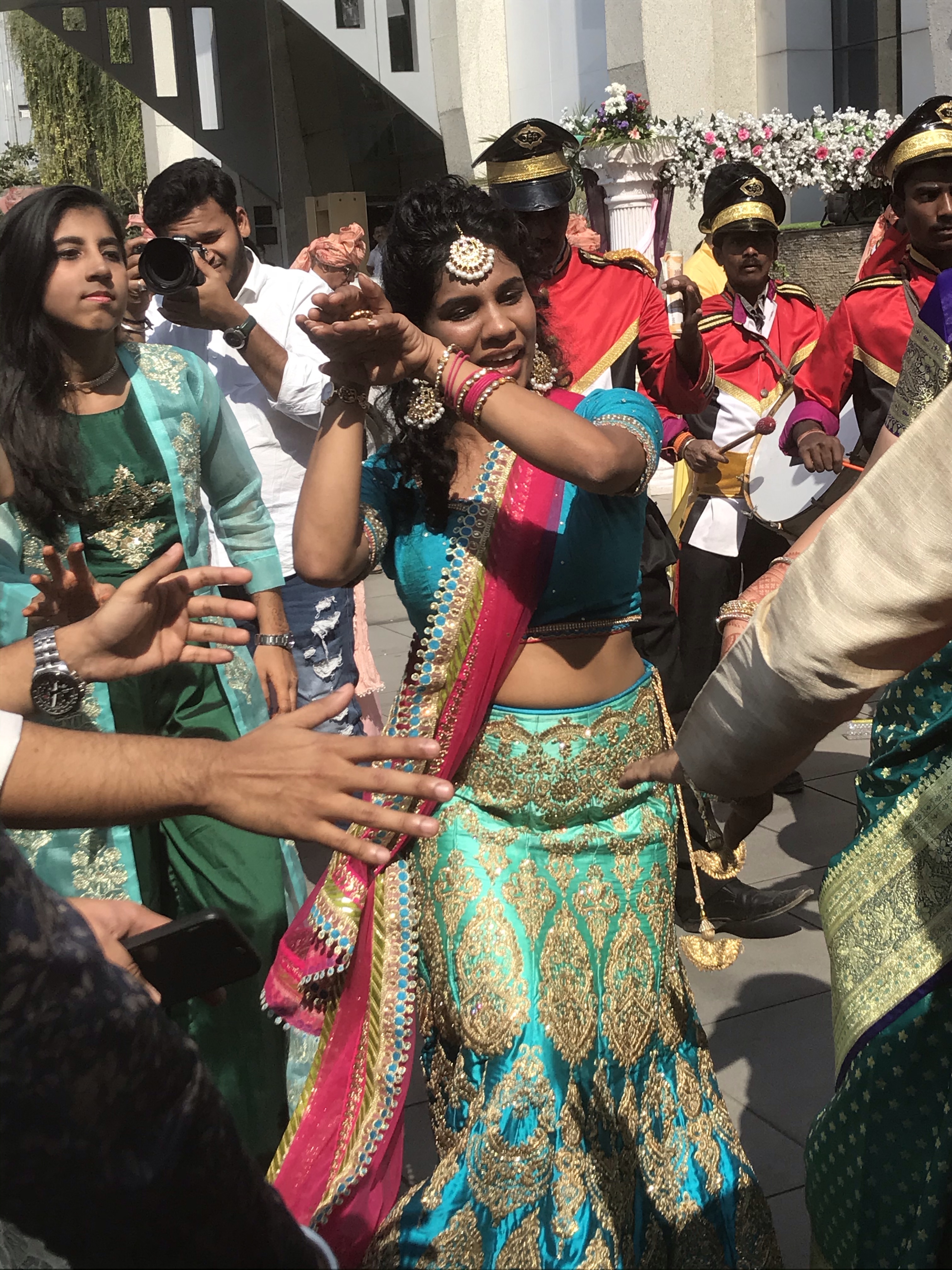
We have come to India just as the auspicious time for weddings has arrived, proclaiming itself with a flourish of loud roving brass bands and long processions of women in glittering gowns and dazzling sarees.
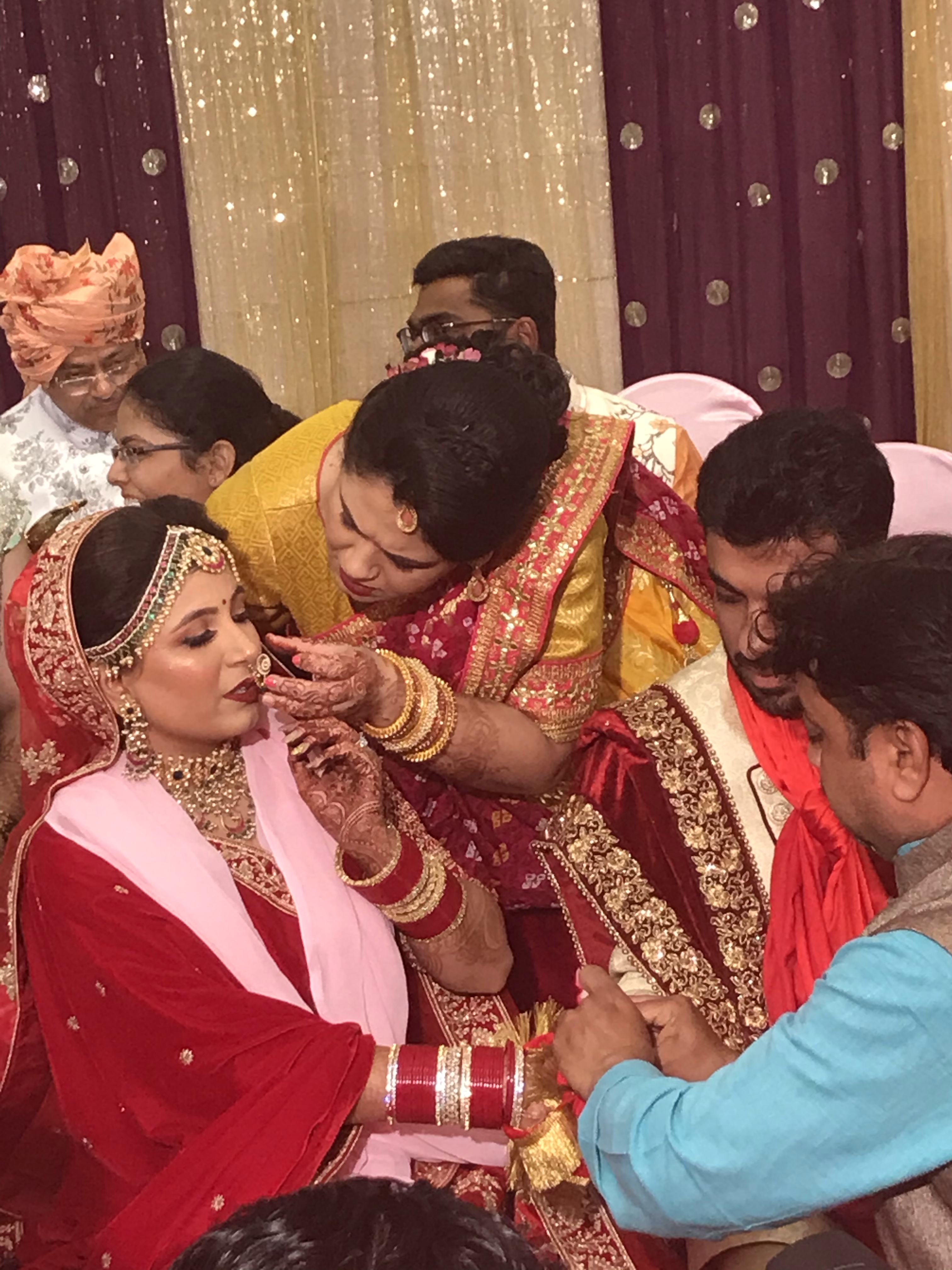
Our hotel is a magnet for such events and there has been a steady stream of wedding activities. This has given me an excellent opportunity to interview some couples from the most recent one which involved a betrothed pair in their early thirties from the cosmopolitan metropolis of Mumbai. Although in rural areas marriage takes place in the teens or early twenties, Indians from big cities tend to postpone marriage until they are well established in their chosen careers.
We watched the comings and goings for the preparation of day one of the marriage festivities and struck up conversations with friends and family members who all spoke English perfectly. They were smartly dressed and were obviously well educated. Immediately we were invited to participate.
I dove right in with my questions on marriage.
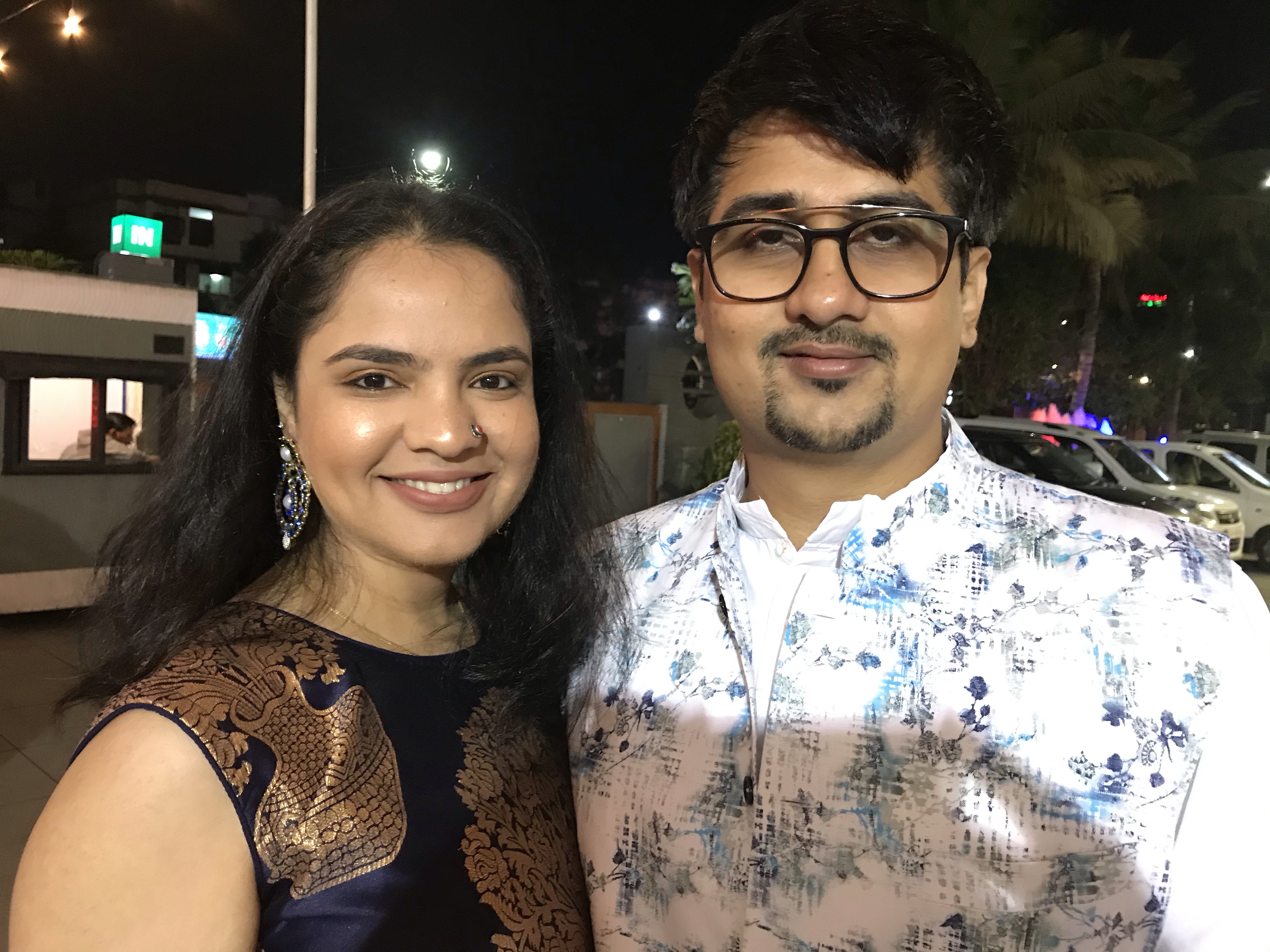
Hardik and Nainpreet proudly told me:
Ours is a love marriage. We’ve known each other for twelve years and have been married for six. He is Hindu and I am a Punjabi Sikh
I asked if this had caused any problem with their respective families.
One day Nainpreet rang to say that her family wanted to meet me. I asked when that would be so I could arrange for my parents to accompany me. She said “RIGHT NOW, and ALONE”. I quickly showered and changed clothes and went right over. I was very nervous, but I had prepared a small speech to win them over. When I arrived and opened the door, the room was covered like wallpaper with people. I was then ushered into another room where the important decision making elders were seated. I gave my speech. Your daughter was my first girlfriend and will be my last wife. I guess it worked because he we are!
Hardik and Nainpreet
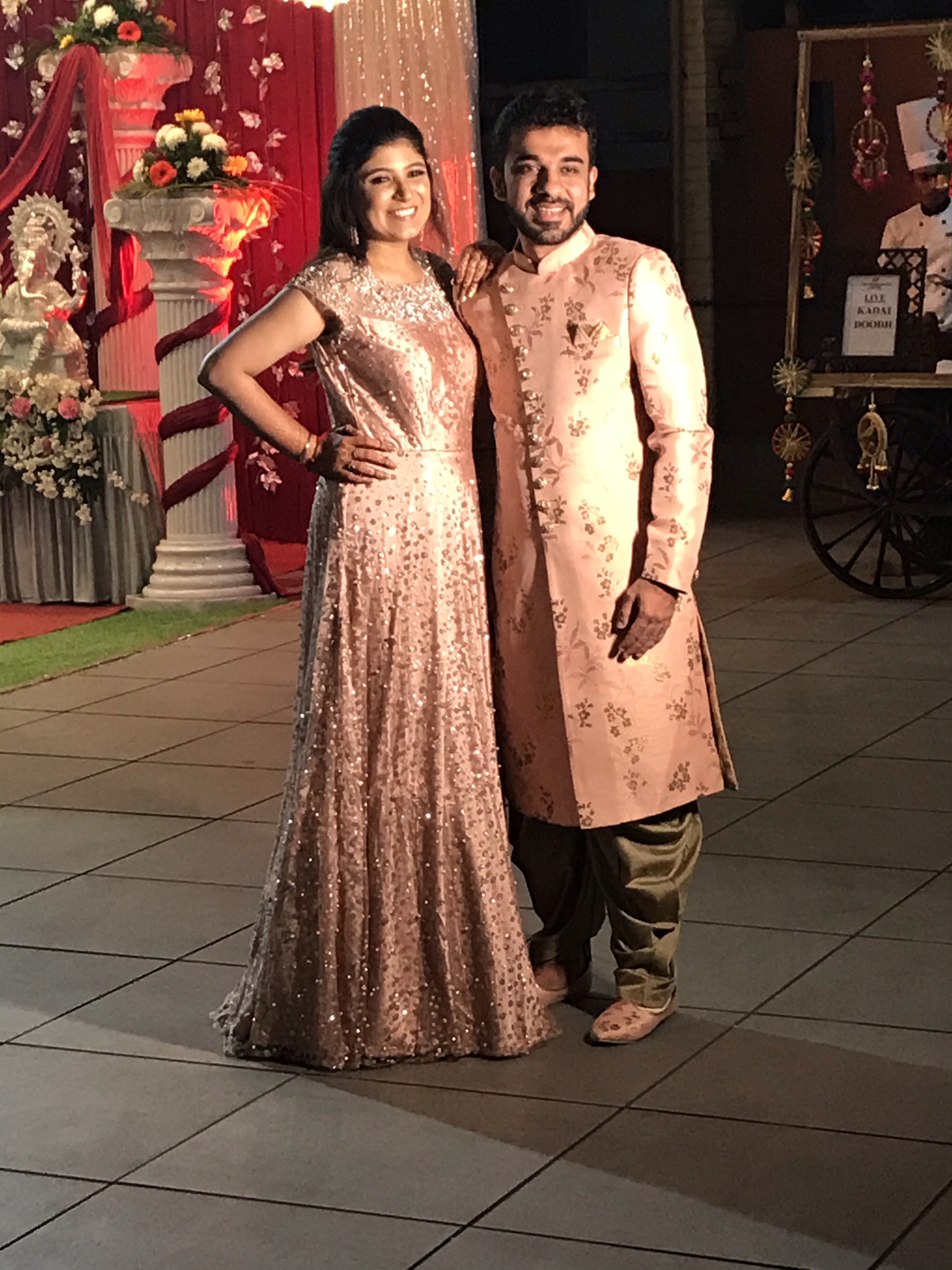
Nikhil and Deepali’s wedding had been arranged but they had a year to get to know each other. The parents had a list of eligible partners and both the prospective bride and groom had the right of refusal. They seemed well suited.
Nikhil and Deepali
I remember vividly the discussion I had some years back with two young people I had gotten to know at a travel agency I frequented in Udaipur. At the time I was doing casual research on the phenomenon of arranged marriage. Laxshmi was almost thirty and told me she would prefer not to marry at all, but the pressure was too great and she would have to give in soon. She had already refused several acceptable matches. Abishek was thirty two and had been unhappily married for ten years to an uneducated village woman. He only met her the day of the wedding.
We have nothing to talk about. I hate going home. She is not a bad woman. We have three children and she is a good mother, but I am bored.
I could tell that something was going on between him and Laxshmi although they were very discreet. It was a difficult and sad situation. I saw on Facebook, many years later that she did indeed get married and had a son.
The more contemporary version of arranged marriages is not so very different from online dating and matchmaking, except that in India the whole family is involved. Divorce is still rare but does exist and can be a way out for an abusive or particularly mismatched couple.
The institution of marriage in India, although constantly evolving, remains one of the most complex social systems in this beguiling country.
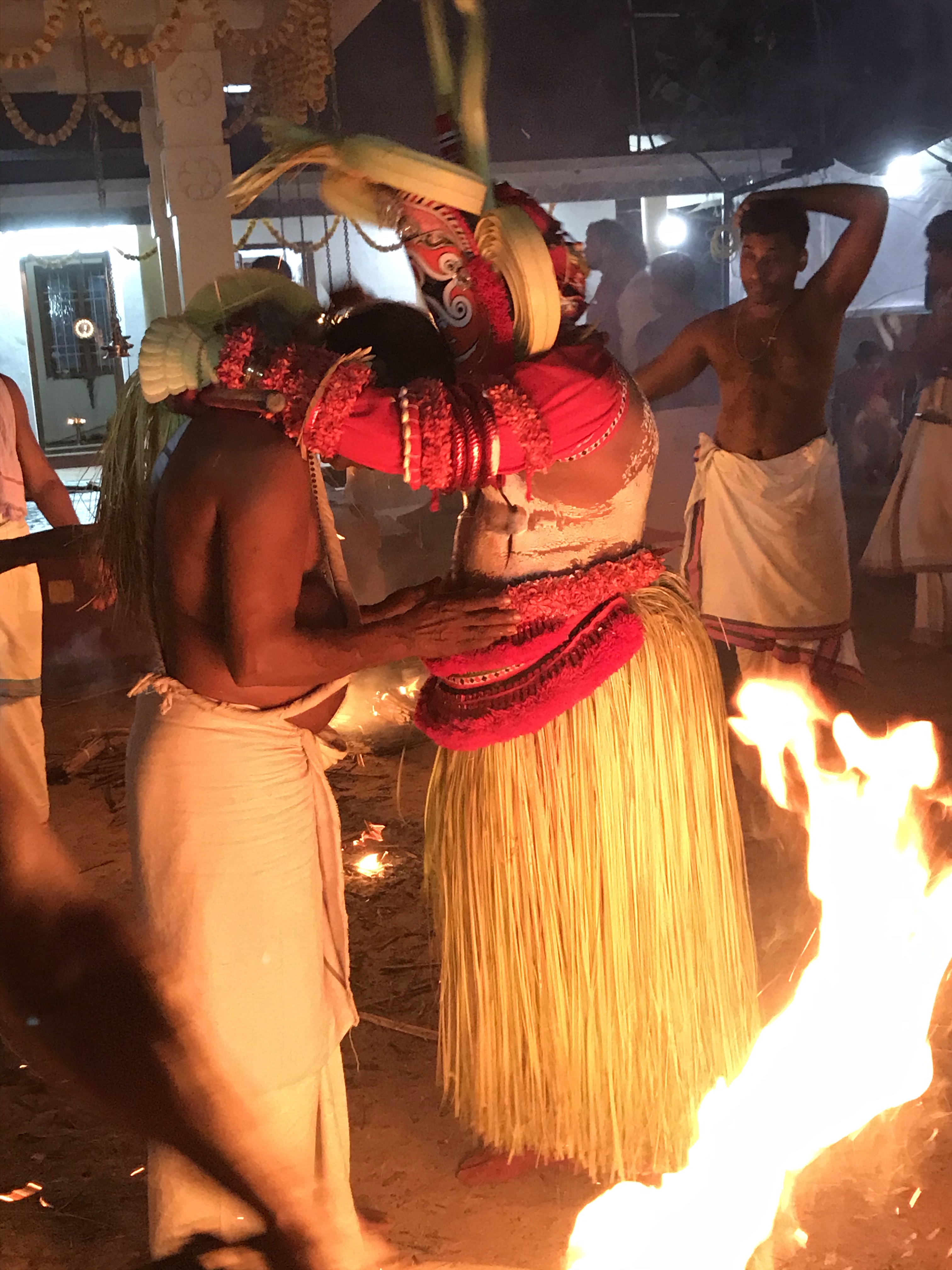
The alarm goes off at three in the morning and I jump up quickly and quietly so I don’t wake up Gerald. He insists it is not early morning but the middle of the night, and has decided to forgo this last Theyyam ceremony before we leave Kannur.
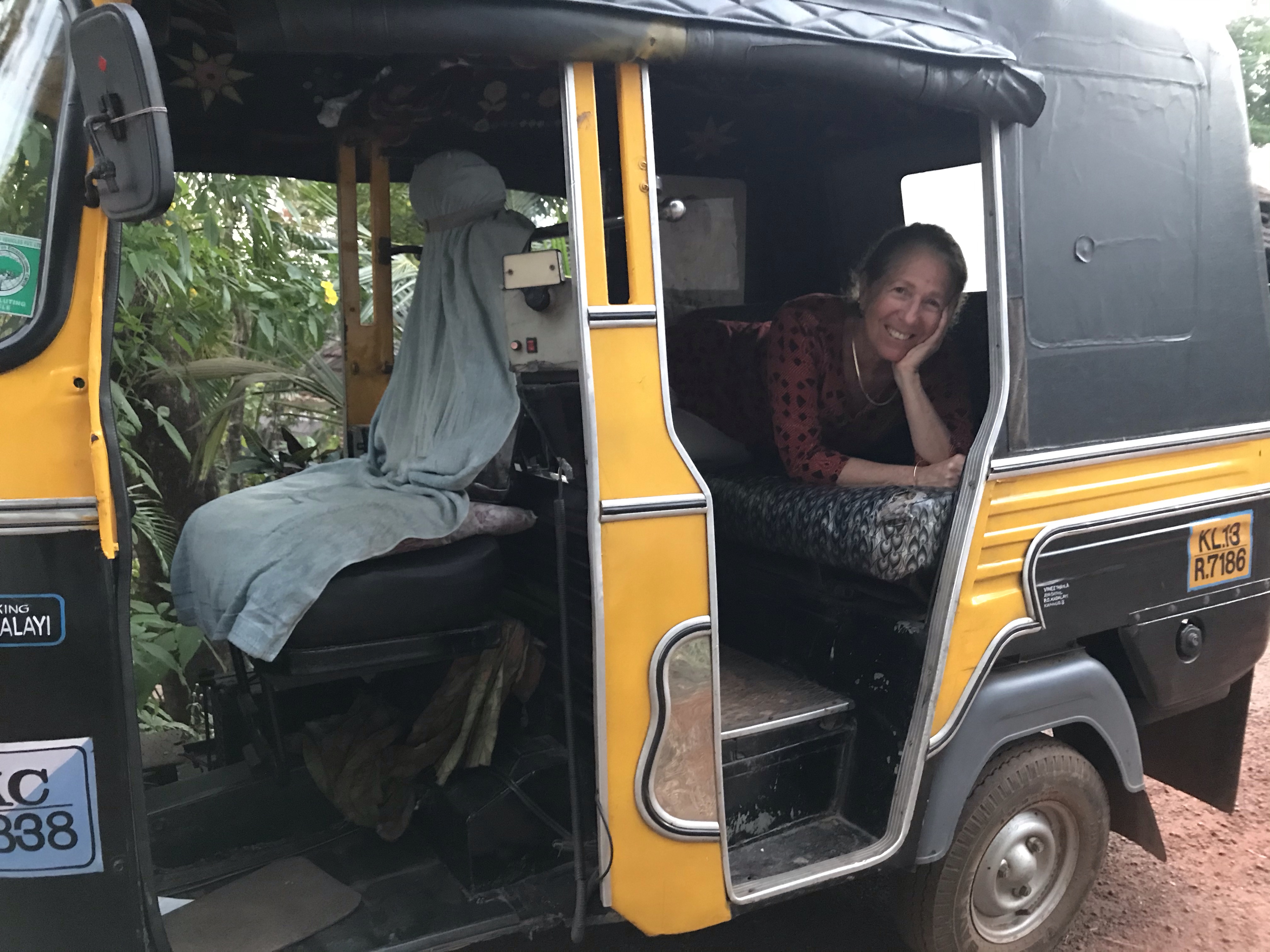
Vineeth, my trusted rickshaw driver and guide is already waiting for me outside. I put my pink cloth carry bag on the seat and off we go.
What’s in my bag? A banana and some biscuits, my camera and telephoto lens, iPhone, and last but certainly not least, a handy water spray bottle which brings down my body temperature quickly when the steamy tropical heat threatens to break my resolve to remain any longer.
The temple I am going to today is only 17km away but it not a paved road so I have no idea how long the journey will take. I ask myself if I should try to sleep on the way and I lie down in a fetal position on the plastic padded bench seat in the rickshaw.That idea is quickly abandoned after the first few bumps.
Forty minutes later we arrive and Golikan, the first deity, is making his appearance. The priest motions for me to wait until the blessings for putting on the mask are finished before I take any photos.I have seen this deity at other temples but this performer is more engaged and active than the others, walking on stilts and leaping around the courtyard wildly.
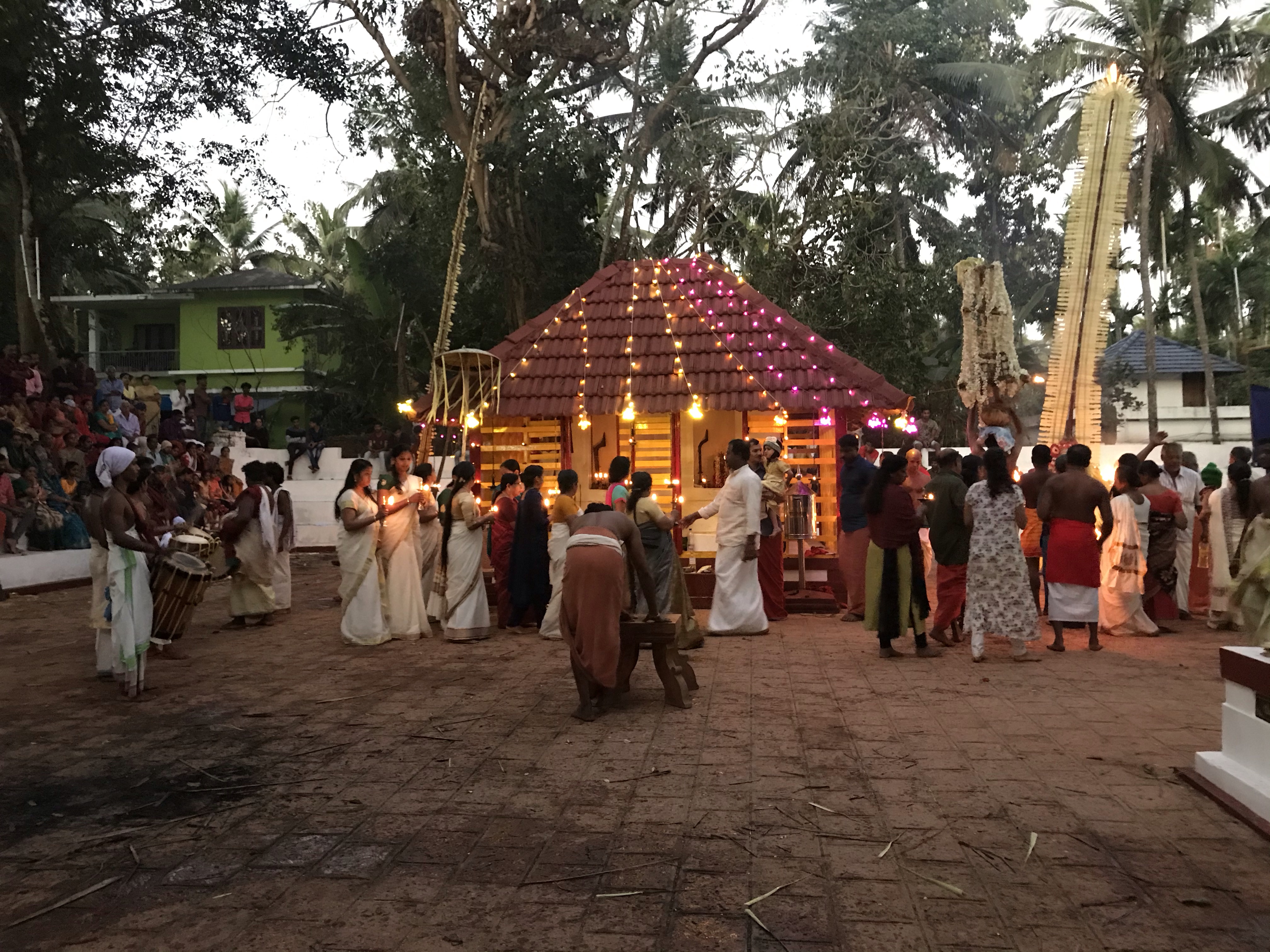
This temple is an older one dedicated to Shiva, and there are small shrines with offerings of rice and coconut.
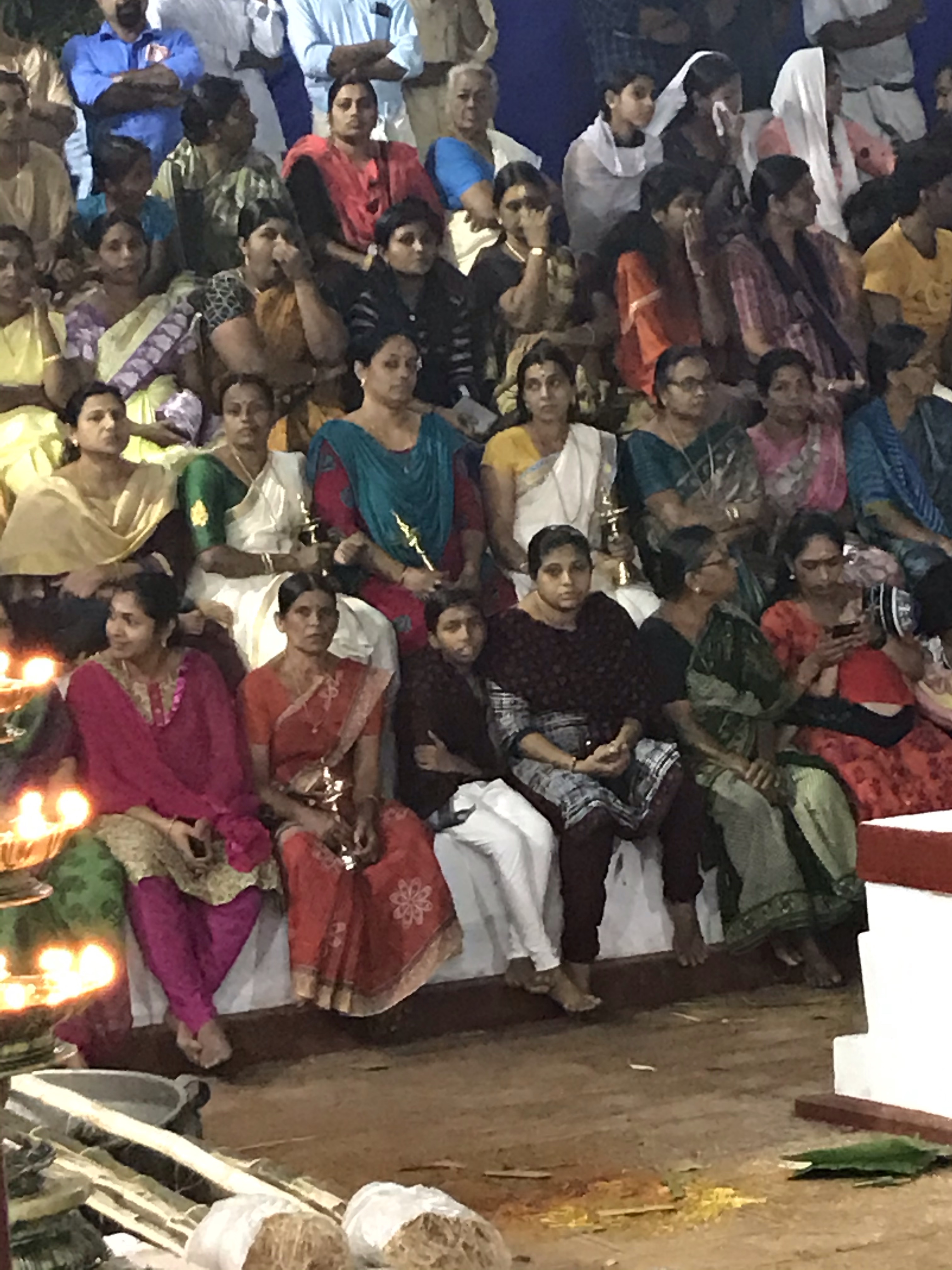
Quite a crowd has gathered by now and there is an informal men’s and women’s section for seating.
Beautiful traditional Keralan white silk saris banded with gold are worn by the older women, who have brass oil lamps which will be lit and blessed by the spectacular fire dancer deity who will be performing later.
After the first three Theyyam have finished their performance there is a break. Seated on small thrones in the courtyard the Theyyam bless the villagers as they line up. Meanwhile, a loud speaker is advertising services by companies who have sponsored this ceremony. and like all things in India, is at high volume.
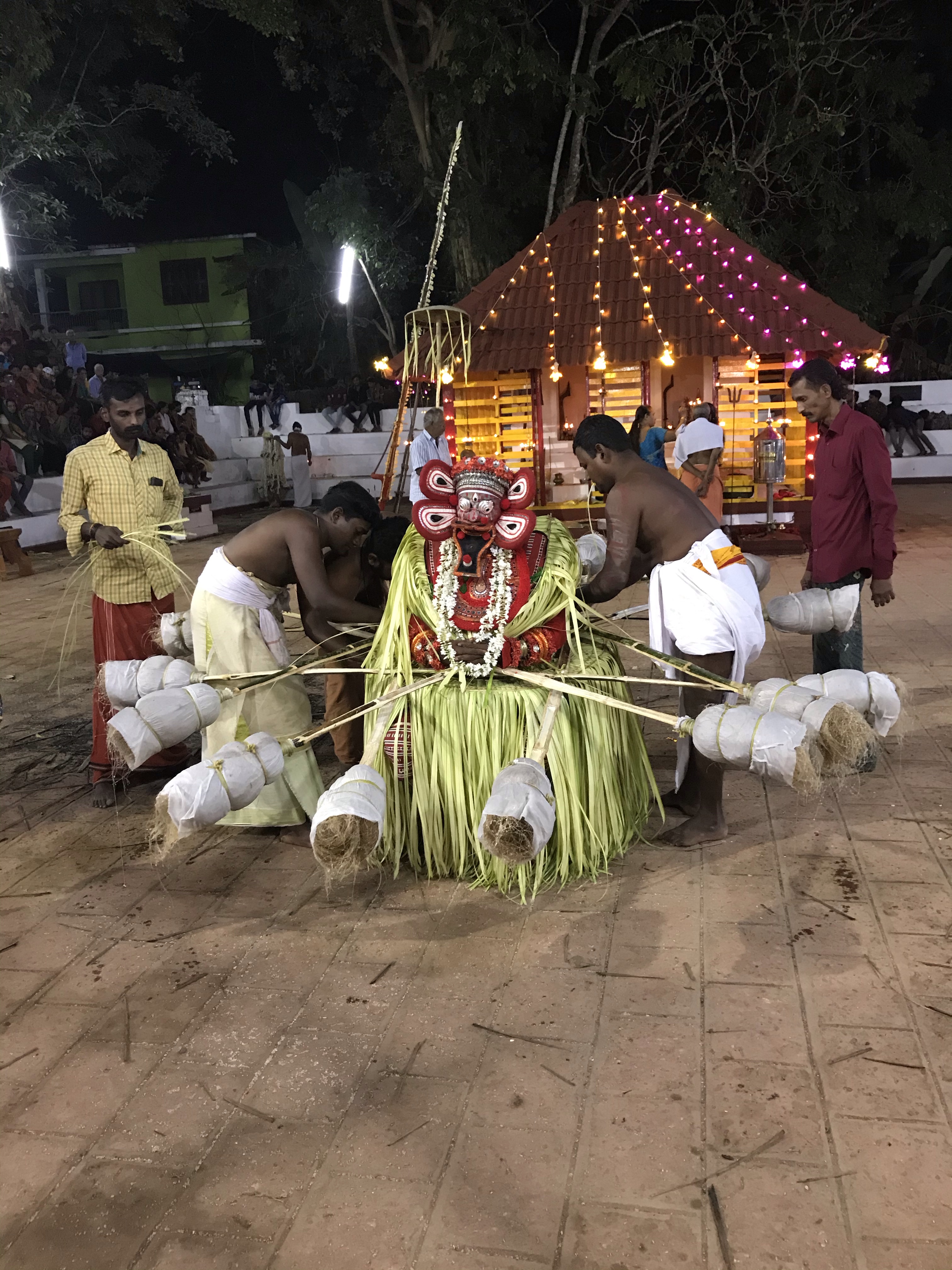
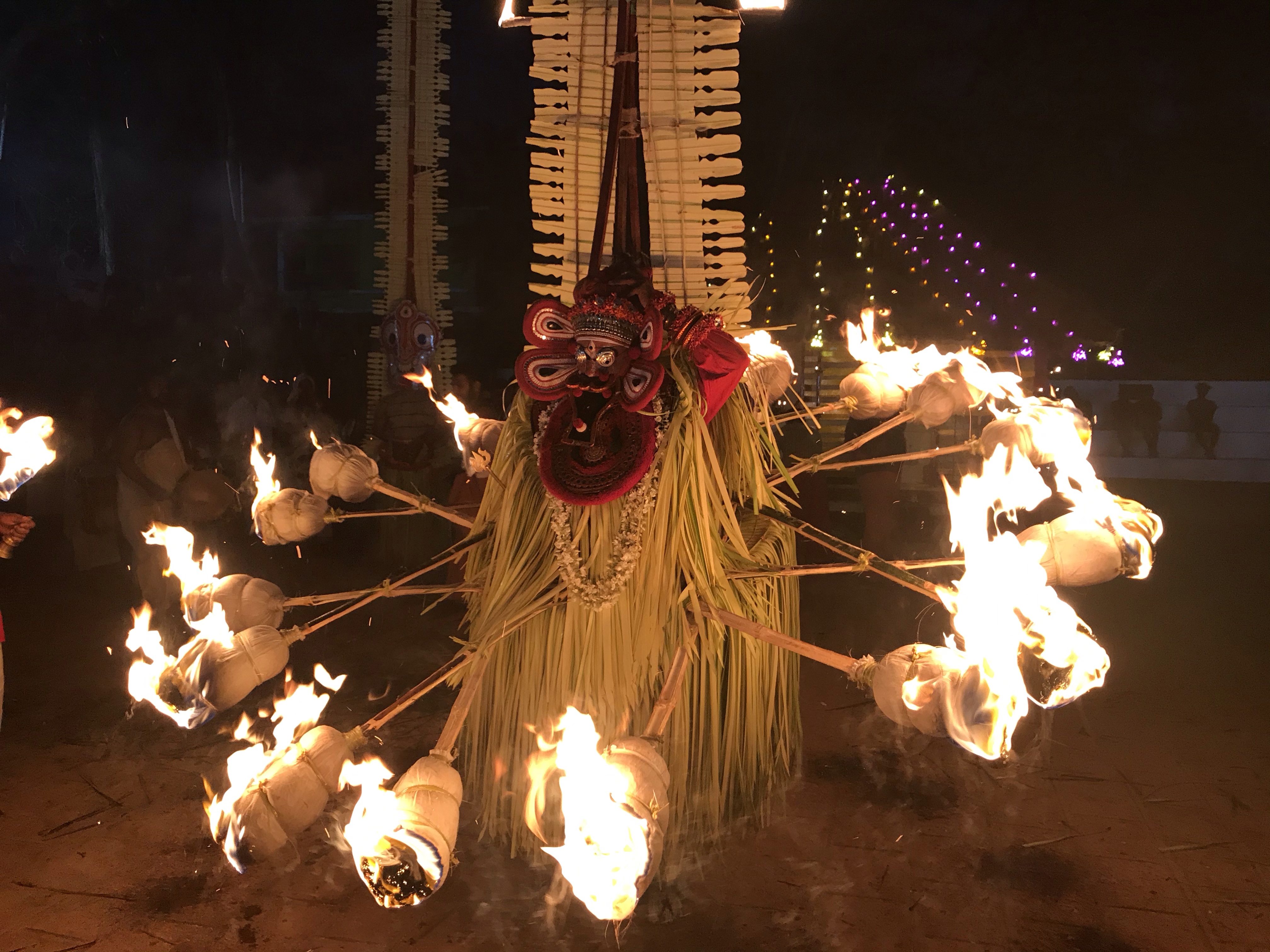
An aura of anticipation and excitement is in the air as we await the entrance of Agni Kandakarnan, the son of Shiva.
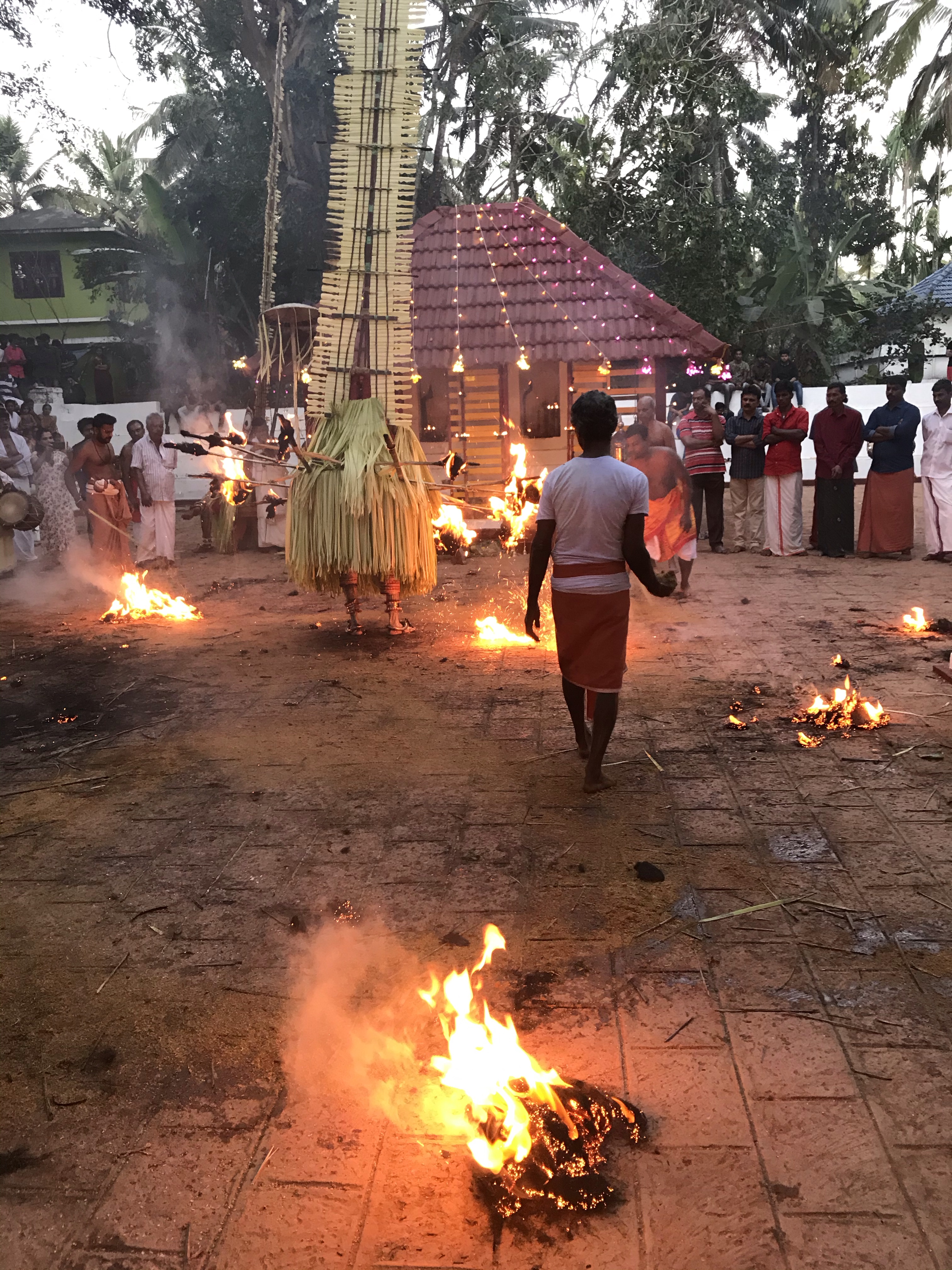
I am seated directly in front of the temple so that I have a prime view of the entrance of each deity. Agni Kandakarnan arrives and the temple attendants place the eight poles, each with a torch at either end, around his young coconut leaf skirt. When they are lit there is an audible hush and then a gasp.
Each time Theyyam is performed, even if it is the same character, there is a sense of unpredictability. On this particular occasion it is both terrifying and playful. As the fiery Theyyam spins around, spreading balls of flames on the ground he is yelling angrily, running through the stands, stopping now and then to bless a man, woman or child. Then just as suddenly he leaps up to where a gaggle of young men are seated and grabs someone’s cell phone.
He runs around gleefully and mischievously displaying his prize, until he finally gives it to one of the drummers. The owner of the phone runs hurriedly to retrieve it.
By now the sun is rising and Vineeth has to bring his daughter to school and signals to me that it’s time to leave.
I arrive back at the guesthouse exhausted, exhilarated and unable to speak.
I will be forever grateful to my dear husband Gerald, who introduced me to India sixteen years ago. I could have never imagined what a profound impact it would make in my life.
Theyyam– An individual attaining a divine state of existence as a living god and morphing into a power that provides solutions for mans mental and physical problems is something that sets Theyyam apart and above all the other ritual art forms in India. –ShreekanthTrikaripur
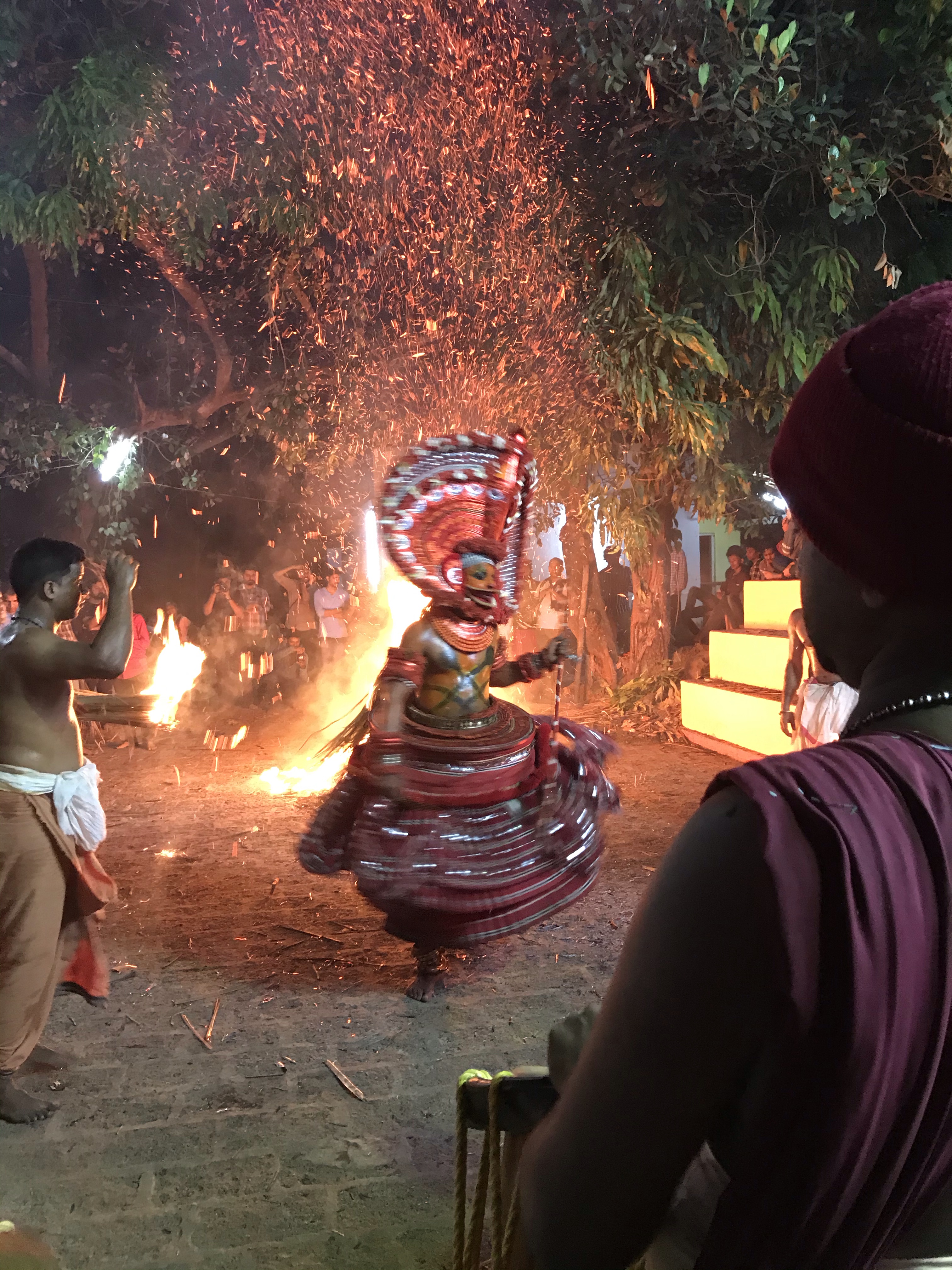
To say that I am obsessed with Theyyam would be grossly understating my relationship with this unique ritual, and the emotions that I experience in its presence. During a visit to Cochin on the Malabar Coast of India in 2014, I first became aware of this annual ceremony that takes place in northern Kerala between November and April .Since then I have been returning to Kannur every two years . What can explain the magnetic draw which compels me to leave my beautiful guest house before sunrise every morning at three-thirty and again at six in the evening.? The unspoiled stretches of deserted beaches which draw visitors to spend days on end lying in the sun, only vaguely aware that such a powerful event is happening so close to them, is not my first priority. (Although we do enjoy a long walk and swim after returning hot and sweaty from the morning Theyyam) Is it the intense drumming that pulsates through my body as six or seven drummers vigourously pound out the rhthms that will help induce the trance that the Theyyam will experience in order to inhabit the body of a deity? Or is it the depth of emotion that can be seen and felt as the villagers approach the deities for blessings and advice, truly believing with all their heart that they are speaking directly to a god? Or could it be the gracious welcome with which the locals accept strangers and non-believers to this very intimate and emotional observance? I think it is all of these.
The ceremonies are a way for villagers to receive blessings for their temples and to consult directly with a god who can answer their questions and offer advice. They take place before sunrise and sunset in the courtyard surrounding a village shrine. There is a strict regimen to be followed for the Theyyam performer,-the prayers, face and body painting and the costumes. I arrive early so I can watch the preparation of the performers and become immersed in the entire process. Enormous physical and mental stamina is required both to wear and dance in the costumes, which can easily weigh fifty pounds or more, and to withstand the heat of the fires that some of the deities will endure. This tradition is passed from father to son, and although some of the thirty-five deities represented are women,performers are always men.
These rituals are being transformed with the changing times. At the weekend ceremonies there was a contingent of big city Indian tourists with expensive cameras around their necks, pushing and shoving their way to the front, blocking the view of others. They were more interested in getting that one “great shot” than the sacredness of the moment. A French woman held her selfie stick which went off with a flash in front of the eyes of one Theyyam in the midst of his deep concentration to achieve the trance like state necessary. Theyyam ritual is not a performance and should not be reagrded as such no matter how elaborate or spectacular it may be. I have heard talk of a tour company wanting to open a theater and bring in paying tourists to watch the “spectacle”. This purification and benediction ritual can only be experienced in its original venue with the local community. If it is isolated and performed out of context it loses its significance and power. True performers are dedicated to their roles as bearers of tradition and will perform only in kaavus (village temples).
Will the next generation of young men continue to have interest in maintaining this tradition or will they be lured into working in Abu Dhabi and Bahrain where many of their contemporaries go to earn high salaries?
My prayer as I leave Kannur is that this beloved ritual survives in its pure form for many years to come.
NB: For more information on Theyyam you can read some of my previous blog posts- Bonfire of the Deities, Burning Man Kerala and Seized by the Gods
India has long been a magnet for those seeking a spiritual path. My travels have exposed me to varying degrees of religious fervor, which has been a source of both wonder and enlightenment.
I shared a sleeper compartment with Sister Helen while traveling from Goa to Kerala. She wore a light colored Salwar Kameez ( a traditional tunic and pants set worn by Indian women) and looked very much like any other middle aged Indian woman.By the time Gerald and I arrived she had already been on the train for twenty-six hours, coming from Mt. Abu in Rajasthan. I thought it odd that she was alone but it was only after we struck up a conversation that I found out she was a nun.
A traveler in Asia gets used to the typical questions asked of a stranger “Are you married?” “Do you have children?”When I asked those questions of her, she pulled out a large crucifix hanging on a long gold chain that had been hidden underneath her Dupatta (shawl) and said “I’m a nun.” She went on to clarify that she was a “sari nun”, one who wears traditional Indian clothes rather than a habit. The Salwar Kameez was her traveling outfit because it was more comfortable for train travel.
That same evening upon arrival at our guesthouse in Kannur, a tall European woman with a shaved head was sitting at the dinner table.Her burgundy and orange robes revealed that she was a Tibetan Buddhist nun. She introduced herself as Sonam Laamu (Goddess of Merit), the name given to her at ordination in Bodhgaya about a year ago.
This got me wondering. What motivates a woman to dedicate her life to religion? A desire to serve God, personal unhappiness or lack of fulfillment in their lives? Were they content with their choice years later? Two nuns in one day following divergent paths. Both had an ethereal aura of peacefulness and joy which was manifested in their serene smiles.
Sister Helen went to Catholic School and at a young age decided that she wanted to be a nun. I asked her if it was because of her devotion to God.
No. I knew I wanted to be a nun at fifteen but Daddy wouldn’t allow it. When I heard that nuns serve people and do good deeds I knew that’s what I wanted to do. My Daddy forbade it and said that I had to wait until I was twenty-one, finished school and got a job. He was hoping by then I would change my mind. But I didn’t and at eighteen I left home to join a nunnery. For four years he wouldn’t talk to me. That was hard.”
She has been a nun for thirty five years and is Mother Superior at a Catholic Girls schools in Mt. Abu. Educating young girls and giving them a chance at better lives is what brings her the greatest joy. When asked if she regrets not getting married and having children she answered quickly.
Not at all. Men are too much problems, and being with one man your whole life, no no. And children? I am happy teaching them but not having to take care of them. I have no regrets. I am living my best life.”
Soonam Laamu came to her decision much later in life, at age 30, after having lived a very normal life in Germany. On an earlier trip to Sri Lanka she first became interested in Buddhism. It was in 2004 when she went to India with a friend, after breaking up with her boyfriend with whom she had been living, that she became introduced to Tibetan Buddhism. The attraction was immediate.
I knew right away that this was for me. Tibetan Buddhism was the first type I encountered in my travels ,but it just clicked. I stayed in a nunnery in Dharmsala for eight years.”
In the interim she learned to read and write Tibetan. In Germany she was a Speech Therapist, and while living in the nunnery was asked to work with a young Tibetan boy who had speech impediments.
I asked her the same questions I posed to Sister Helen. “Is there anything that you miss from your old life and how do your parents feel about your choice?”
It’s been fifteen years since I decided to devote myself to Tibetan Buddhism.My parents were skeptical and worried at first, I’m any only child. But now they accept it. I don’t really miss anything. I’m kind of embarrassed to admit it, but the only thing I miss is dinner.You see we only eat breakfast and lunch and sometimes, only sometimes, I wish I could eat dinner. Other than that I don’t miss anything at all. I love being a nun.





























 The alarm goes off at three in the morning and I jump up quickly and quietly so I don’t wake up Gerald. He insists it is not early morning but the middle of the night, and has decided to forgo this last Theyyam ceremony before we leave Kannur.








 THE DREAM OF DISTANT LANDS