Author Archives: jazzyfille

Unknown's avatar

About jazzyfille

A distant drumbeat, powerful music, a religious procession, and the pungent aroma of spices......all beckon me to distant lands and I follow, jubilantly and expectantly with a sense of wonder at the beauty of life.

How Uber Almost Saved My Life /Ahmedabad Revisited

Uber in India?! Well, sort of. On hearing that Uber had come to Ahmedabad we were ecstatic. One of our greatest challenges staying here two years ago was dealing with transportation issues. Now we could go anywhere in the city, explore new restaurants and be more social.

Traveling by rickshaw is at best a frustrating experience. First the haggling about the price, then the invariable blank stares when you give the destination, and last but not least, the blasting of diesel fumes in your face. Our 95 rated face masks were packed and ready for use, but now we wouldn’t need them. Maybe.

Our second challenge was going anywhere on foot. Crossing the road in India can be a life altering if not life ending, experience. Anyone who has been to Asia knows what I’m talking about. Lanes as well as travel directions are a mere suggestion. Cars, rickshaws, motor scooters, pedestrians and livestock “share” the road. LOOKING RIGHT, LOOKING LEFT (they drive on the right side of the road) WATCH OUT for the speeding moto driver, RUN QUICKLY between the rickshaws, WAIT, that car is going in the wrong direction. I was so freaked out last visit that we only went to the Foundation and back and then stayed holed up in our hotel room.

This time we felt confident that with Uber we could go anywhere cheaply and with ease in a nice air conditioned vehicle. We realized that in India it would not be the same as in the USA or Europe. Nonetheless our expectations were perhaps unrealistically high. Most drivers back home drive part time, in India it is a full time job. In 1993 there were 3,000 cars in Ahmedabad, today there are 300,000. Some drivers own their own cars, others work for fleets. Those that drive for others earn about $150 a month, those who own their own cars can make up to $1800 a month, minus the 20% Uber fee.


It will be your best friend.

This was confirmed by a young Indian woman we met at our first airbnb.

After being happily settled in our modern hotel room we were ready to go out for dinner at Tinello, an Italian restaurant at the Hyatt Regency. Not that I don’t love Indian food, but after three weeks I wanted something different.

I opened up my Uber app and it connected me immediately with three drivers in the area. It would cost 72 rupees (a little over a dollar) and our driver would be Manish , driving a Suzuki Echo. But wait a minute, what’s that in small print at the bottom?

Driver is deaf or hard of hearing.

Nope. Nix that one, it’s hard enough making yourself understood by someone with normal hearing.

Chandraveer would be our driver. As a white Suzuki Maruti pulled into the driveway, things were not looking auspicious. The car was old,dirty,dented and the driver looked like someone out of a gangster movie. We got in anyway. No more than two minutes had passed when we heard a bump, bump bump.

This car has a flat tire, let’s get out.

Gerald grabbed me out of the car and we went back to the hotel to start again. The driver was still flailing his arms trying to get us to wait and get back in the car. The third one was the charm and we arrived ten minutes later at the restaurant.
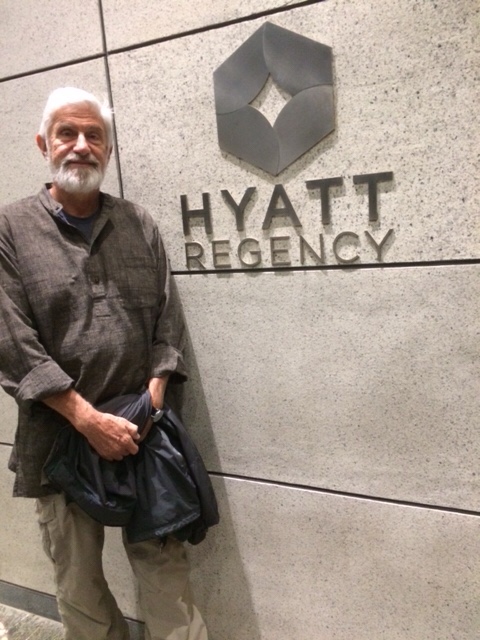
Subsequent trips have proven to be iffy. Once, while trying to find a major clothing store, Fabindia, the driver became totally lost. His GPS didn’t work, he became flustered and the car smelled like a diseased animal had recently died. We were forced to get out and walk. Even the polluted city air was better than remaining in his car another minute.

Our second problem was graciously solved by the hotel manager, after telling him about our apprehension crossing the road to get to the Foundation in the mornings.

Welcome back, Mr. Huth. We will assign you and Madam one of our bellman as your private escort every day.
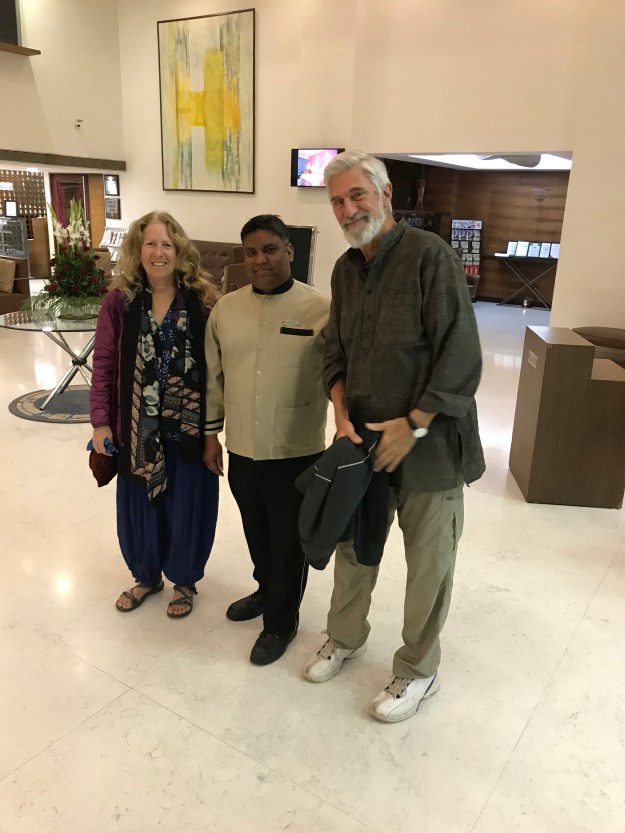
Luckily Hindus believe they will live many lives or no one would ever cross the road.
Close Encounters of the Holy Kind

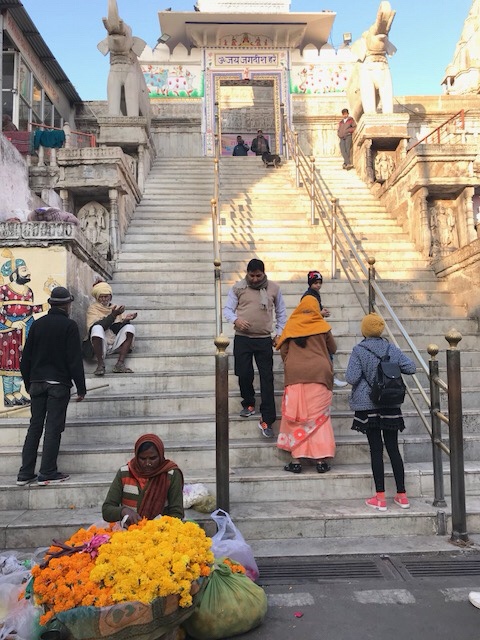
Early morning is a good time to visit the Jagdish Temple in Udaipur, before the incessant roar of motorbikes and auto rickshaws drowns out the melodic chanting of the faithful worshippers inside. Down below, two ladies are sitting cross legged, on the staircase leading up to the temple, arranging their baskets of marigold and rose petal strands. Business will be brisk later as visitors buy offerings to be blessed by the priests.

At the top of a steep, narrow staircase stands a rack where shoes are placed before entering the shrine enclosure, a custom practiced in every temple in India. Stepping onto the icy cold stone floor I make a mental note ( for the umpteenth time)to wear warm socks next time.

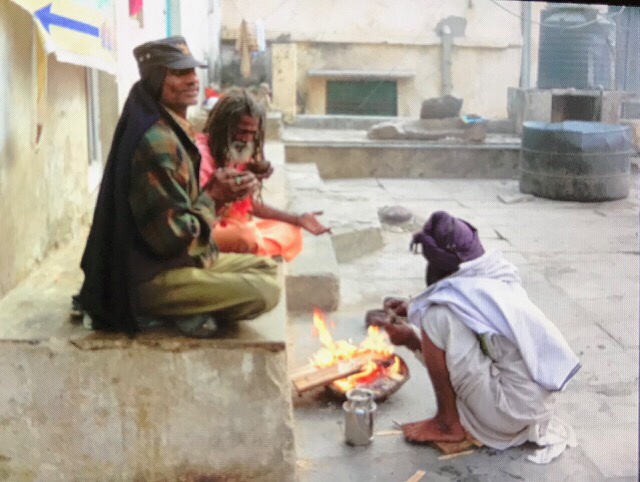
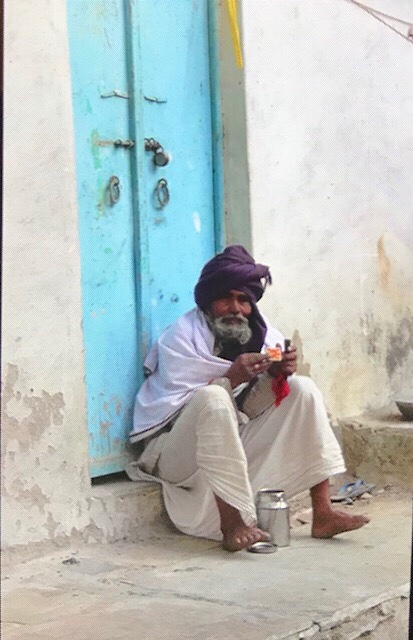
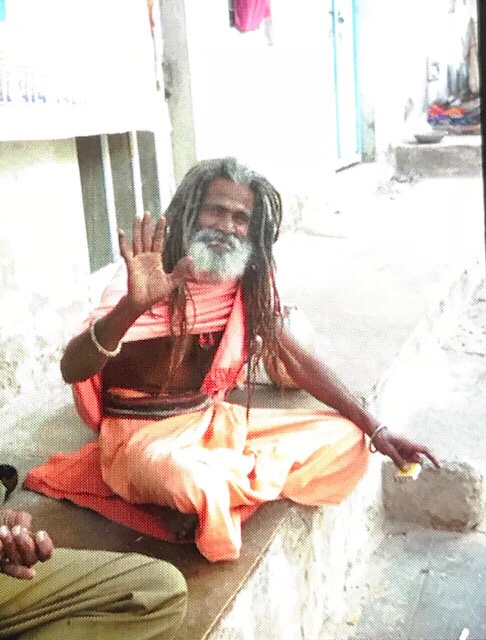
I decide to walk around the thousand year old shrine, carved with stone elephants,riders on horseback and sensual dancing figures. In the back of the temple there is an open courtyard, a private space for temple attendants and wandering saddhus, and I hesitantly enter,not wanting to encroach upon the sacred grounds. A tall, thin man dressed in a green military style uniform. beckons me to come closer. Seated next to him are two Saddhus- one with saffron robes and dreadlocks, the other in simple white rags, and they are both puffing away on their ganja pipes. The “official” surprises me by pointing to the Saddhus and announcing in clear, precise English.

Shankar Maharaj and Loden Maharaj- they are my gurus.

I smile serenely.

Shit, shit, shit, shit.

Am I hearing him right ? He is waving his arms around in an exasperated manner and I realize he is warning me about the piles of cow dung littering the courtyard. Cows are sacred in India and they non chalantly wander through the streets, highways, doorways, and temples, with the knowledge that they will not be disturbed.

I ask if I can take photos of the Saddhus, and they happily agree and start posing. My reward for not paying attention for two seconds, is to slide into a schmear of hardly visible cow manure IN MY BARE FEET! All of us start laughing. Holy shit!

When I finish taking pictures and want to show them to the “official”, he brushes me aside.

No,no. I don’t want to see the photos. Send them to me. Here is my address at the temple.

He hands me a torn piece of paper scribbled in Hindi script.

Everyone knows the Jagdish Temple in Udaipur. It will come here. 4″ x 6″ only. Now let’s have some chai.

Just then Gerald appears and rescues me from having to make excuses for not wanting to risk drinking from those “holy” cups.

I knew I would find you here.

A Perfect Chaos/An Ordinary Day in Udaipur

Nestled between the Artificial Jewellery Shop and the Medical Supplies corner an elderly man sat on a high stool, fiddling with watches. He was surrounded by all manner of clock and watch parts and a small glass case displayed timing devices for sale, costing between a few dollars and several hundred. Gerald lives by the mantra “In India anything is possible”, but hopes for repairing his twenty year old travel alarm were fading.
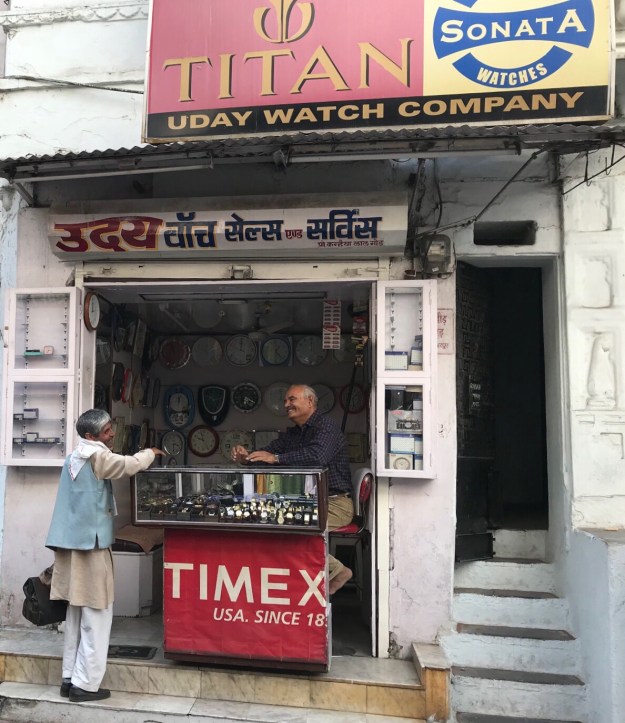
Its a really cheap clock but its been a lot of places with me over the years and has sentimental value.

We approached the gentleman, asked if he repaired clocks, and he seemed to think it could be done. Of course, in India no one will ever admit that they cannot do something. We had spent the better part of two hours trying to get my IPad keyboard repaired or replaced ( it died suddenly), with no success. Each new person kindly shepherded us to the next “electronic shop” (nothing more then a tiny niche off the main market street crammed with plugs,memory cards,computer cords,etc.), but in the end , no go.

Do you mind waiting ten or fifteen minutes? He thinks he can do it.

I knew how much that clock meant to Gerald and I was enjoying watching the action on that very busy main street, so I said “Sure”.

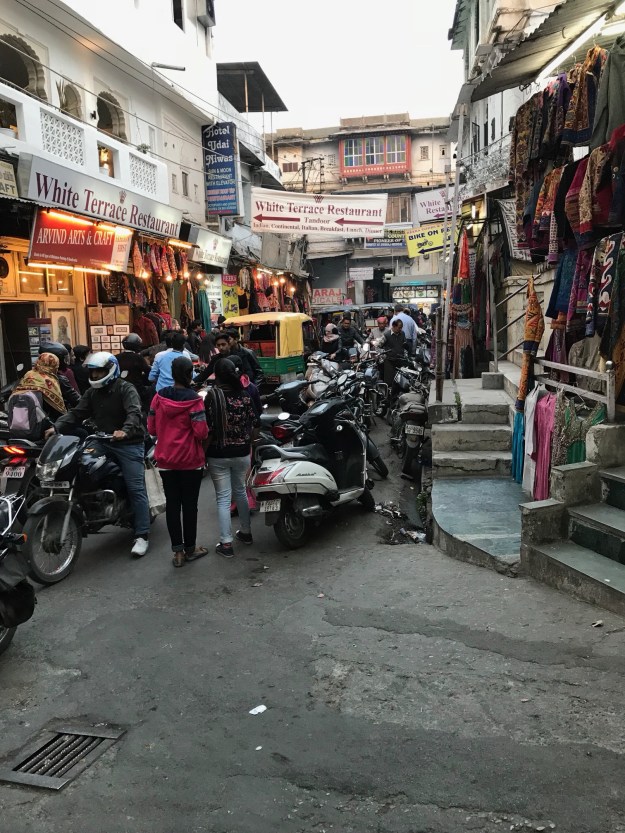
It was after our dinner, about 8:00pm, and most of the Indian families who were spending their holidays in Udaipur were rushing around in rickshaws at dizzying speed or walking single file to avoid being sideswiped by a car. The evening was just beginning for them and the mood was festive with the whole family in tow- young couples with their children, in -laws on both sides and the occasional lone auntie or uncle.

I had the advantage of being able to see everything from my slightly perched position but not get in the way of the rush of bodies and cars. The main road was narrow, windy and not made for all the vehicles and cows that travel through.
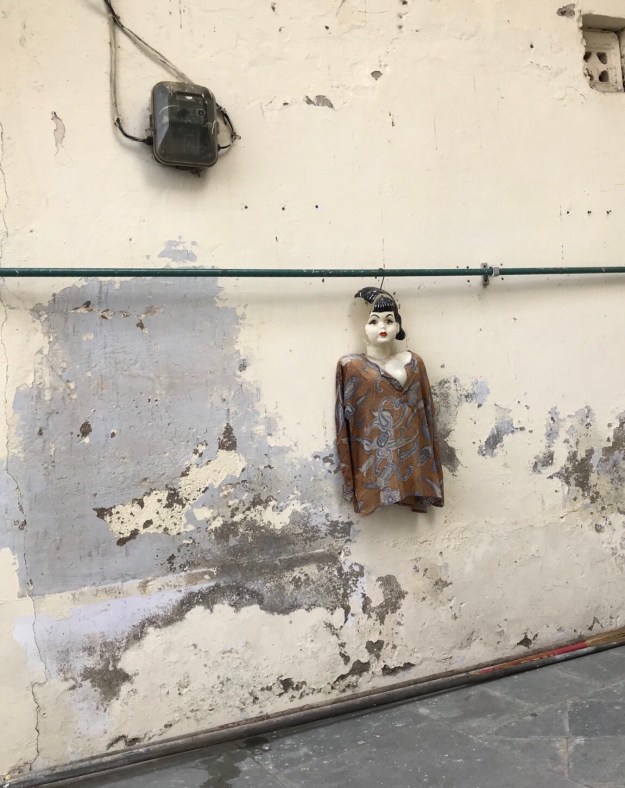
Suddenly chanting and drums came from a loudspeaker nearby, and I craned my neck to see where it was coming from- a wedding procession perhaps? The last call to prayer from the mosques was over an hour ago. When I looked up I saw a Hindu shrine on the upper floor of a building across the road, where an evening puja was just beginning.

In the midst of all this frenetic activity, the clock man smiled at Gerald and said:

Clock fixed now.

The charge was 70 rupees (about a dollar) and we left, knowing that the clock still had many thousands of miles to journey in the future.

Behind the Curtain/India Exposed

You won’t be able to take photos or watch the make up preparation, but to see the Theyyam Bagavathi Muttilotu is an experience not to be missed. She is one of the most powerful goddesses and the performer cannot eat meat, drink alcohol or have sex for forty one days beforehand. She stays behind a curtain and doesn’t come out until ready to receive the headdress. For some people it is scary because she can be unpredictable and start yelling and gesturing aggressively.

Kurian, my Theyyam authority, and owner of Costa Malabari Guest House in Kannur, explained this to me in an earnest tone. I have been coming here ever since I was first exposed to Theyyam in 2014.

Theyyam is an ancient ritual practiced in the Malabar region of southern India and is performed exclusively by men who manifest the deities and goddesses while in a trance-like state. The ritual started out as a practice of the lower castes and later became absorbed into Hindu culture as a way of communicating directly with deities.

Malabar village shrines are dedicated to a particular deity and an annual ritual or festival is sponsored either by a family or the priests, and is open to the greater community at large.Theyyam season is between November and May. The more powerful Theyyam deities can attract thousands of worshippers to the ceremonies.

At nine in the morning we started out for the first village. It was later than usual because the ceremonies, which usually start at sunrise, had been going on all night. Plastic tarps were set up as booths , carnival style, to sell the various trinkets- plastic toys, balloons,bangles and other assorted useful objects which the attendees would inevitably buy. Bollywood music, interspersed with adverts for travel agencies, hair growth clinics and “fancy dress” shops, bellowed out of two loudspeakers positioned just outside the kavu ( sacred area around the shrine). It was early and we were among the first to arrive. I always like to have time for the villagers to become comfortable with our presence.

My flip flops, already muddied with the moist red dirt, and traces of the many people who had trampled over them, were placed outside the entrance to the shrine, and I hoped I would be able to find them again after the crowds stormed through. I attempted (vainly) to sparkle as much as the Rajasthani women and wore my best gold dangly earrings, bangles and mangal sutra ( Rajasthani marriage necklace).

Gerald and Richard had set their backpacks on the red plastic chairs in the front row to save the best seats. It wasn’t until later, when an old lady snarled at him did he realize they were in the women’s section, and had to move.

I immediately rushed over to the costume/make up preparation area. Each one of the eight deities that would be represented has a unique costume and intricate face painting design which can take hours to complete. After four hours in the tropical heat,watching the six drummers feverishly lead the deities into trance, and the mesmerizing dancing of the Theyyam, I was exhausted. We had seen four deities and there were four more getting ready. As the sun baked into my skin, even with the sensory overload of these rituals I knew that I absolutely had to go to the next village where Bhagavati would be the grand finale.

As we arrived at the next shrine- a much bigger venue with hundreds of people already milling about in the temple grounds, the anticipation was palpable. As in the other village we were the only non-Indians and were given a place of honor so that we could to see better.

An old man with bloodshot eyes- probably from too much toddy-approached me.

Bagavathi is a powerful goddess, coming soon. She will make you cry, I do.

I was anxious for the finale after waiting almost two hours .We had rushed to get there by 2 pm and my eyes were glued to the curtain covering the place where Bagavathi was preparing, waiting to see some movement that would indicate an appearance. The only food I had eaten was a packaged ice cream bought from a vendor. Although we were invited to share the feast that was prepared for the masses at each shrine, I had politely refrained from eating and drinking, knowing that the toilet facilities would be suspect. But there was no way that I would even think of leaving before seeing what I had come for.

A bonfire had been smoldering for hours. Suddenly the temple priests and attendants started running over the hot coals and encircling the shrine. A swell of women and men charged across the temple grounds to the corner where Bagavathi was ready to receive her headdress. I didn’t know whether I should join them or stay put in my prime viewing position. The women next to me kept on squeezing me in in order to make room for a badly misshapen young man, lying on a mat behind me. They pointed to a woman standing nearby who I assumed was his mother, and she motioned that she wanted him to be blessed when Bagavahti passed by. I knew if I left there would be no returning.

Fearful that if I stayed I might miss the action, I ran over, just in time to see Bagavathi, in brilliant red headdress and huge skirt,flaming torches in both hands. Worshippers were pushing and shoving to get close enough to pass their arms through the flames, a sign of receiving her blessings.

And then just like that it was all over.

The car was quiet on the way back to our guesthouse. A small window had been opened , exposing one of the many sides of Incredible India.

Murder on the Ernakulum Express/Dying of Laughter

Hey, look what I found at the shop!” Richard ran toward us, grinning from ear to ear, holding up a copy of a book entitled “The Dumb and the Dumbfounded”. Good title for a series,eh?” We were at the rail station trying to pass the time since our train from Goa to Kannur, in Kerala State, would be delayed at least an hour. My Canadian friend Esther was on her first trip to India, and I was trying to convince her that this train would be much better than the one I took in Orissa when a cockroach crawled over my blanket as I was trying to sleep. “We’ll be in chairs in an open car, it’s really lovely”. Although skeptical, she seemed slightly appeased.

A group of Tibetans had just arrived on the platform and the women were busily fingering their prayer beads, while the men were crowded around one of the accompanying Buddhist monks. They were in earnest conversation with hands and arms flailing about. One of the elder women, dressed in a sarong of bright red handwoven cloth, thick strands of turquoise and coral hanging from her neck alongside a pendant with a photo of the Dalai Lama,was staring at me. I was wearing my usual travel gear: red Indian baggy pants and a scarf embellished with gold flower patterns. My reward for dressing in local style was a betel nut stained,red-toothed smile of approval.

I thought there must be a big meet up with the Dalai Lama or some such religious event and we were all venturing a guess at where they were from and what they were doing here. When I asked, the unexpected response was simply “We are going to the beach”. That’s what you get for stereotyping.

Gerald ran up and down the platform trying to find out exactly where we should be standing to board our train. The platforms were connected by a foot bridge, involving carrying the luggage up and down flights of stairs, and we didn’t want to schlep more than necessary. Richard volunteered to look at the digital board at the entrance since he was the most fleet-footed and the train was scheduled to arrive in twenty minutes.

Meanwhile it was ten minutes before the trains arrival and we couldn’t see Richard. Esther was panicked that he might not make it back in time and would miss the train. I am not leaving without Richard!” She was adamant.

Finally the train arrived, and baggage in hand, all four of us leaped over the small space between the platform and the train step. A long narrow corridor separated the seats/sleeper bunks and two tier curtains functioned as privacy barriers. Not exactly the “cockroach train”, but definitely a bit of a disappointment since our tickets were first class A/C. We settled in, deciding to put our luggage in the upper bunks and positioning ourselves across from each other. The window, although stained with dirt and mud allowed a filtered view of the lush countryside of palm trees, rice paddies and backwaters.

Within minutes out came the jar of peanut butter, crackers and tasty little bananas. “Meals on Wheels” arrived in the form of Biriyani lunch containers with a choice of veg or non-veg. The aroma of cloves and cardamon lured us into trying one of each. Rice was well seasoned but finding the veggies and the chicken was cause for another round of hysterics. The other passengers in the car must have thought those foreigners are really crazy.

First order of business: Esther and I decided to check out the bathrooms. I had noticed a sign saying “Bio Toilet”, and that sounded promising. There were two- one on each side of our train car. Esther peeked in one. “This one’s a squatter, but it’s clean”. That meant that we could drink water during our eight hour ride and not worry about having to use the toilet. With confidence I went into the second “European style” one, to do my business. Better early on than later when too many people have already been there. The first thing I noticed was the three locks. THREE LOCKS???!!!! What is that all about, I didn’t want to even think about it.

No sooner did I pull down my pants that the train jolted to a halt and I was practically knocked over into the toilet. When I got back to my seat we all broke out into hysterics again and couldn’t stop laughing. Traveling with good friends makes challenges entertaining.

Surprisingly, the conductor made up an hour of our delay by speeding by some of the scheduled stops, leaving bewildered passengers running helplessly alongside the train which only comes once a day.

I did not feel at all guilty thinking “Better them than us”. Such are the joys of travel in India.

As Time Goes By/Returm to Goa

“BANG! BOOM! BANG BOOM!” I awake before dawn ,startled by the thumping of monkeys jumping on the roof of our house. The palm trees, laden with coconuts, are swaying wildly, as an extended family of monkeys jumps from branch to branch and then lands soundly on our roof. Why should I be surprised? We are, after all, in India.

It has been two years since our last visit to Goa and arriving here feels familiar and comforting. Our “Lifestyle Resort” has not changed much-overgrown plants and weeds still sprout up through the cracks of the staircase leading up to our small but homey room. There has been some updating- freshly painted neon orange walls, and new linoleum floors-attractive but slippery when wet. The black plastic toilet seat is still the same relic from another era,

Francis, our favorite chef/friend has taken away the only decision we needed to make,-choosing what to eat for dinner- by surprising us each night with some new Goan creation that he wants us to try. I know I’m slightly obsessed with food, but Goan food is so good. The curries-ambotik, cafreal, ,xiacuti, sukha- redolent with pungent spices and coconut are too delectable to resist. And why should I?

Younger faces with more tattoos, now stroll on the beach doing yoga,jogging, and laughing with that carefree air of those who have no responsibilities.I don’t remember seeing so many tanned, lithe bodies doing exercises or taking selfies with “GOA” written in the sand. It’s in stark contrast to the orange-vested Indian garbage cleaners with their brightly colored green plastic bags chattering animatedly with each other. Note to self ” Stop thinking about what you’re going to eat next and start doing your Qi Gong.”

What apparently has changed, is me. The first time I was greeted with “Nice to see you again Mama“,I laughed and shrugged it off . By the second time I began to feel annoyed.  After the third greeting I was downright despondent. I always enjoyed being called “Didi”, which means sister in Hindi. On the last visit, I had graduated to “Auntie“which is an endearing term for a slightly older relative, and that too was sweet.  Unlike the sexy connotation in Latin culture, “Mama” here is used for grandmothers!

I guess it’s time for massage, threading and whatever beauty treatments I can manage to elevate my status.

Who is Pepper?

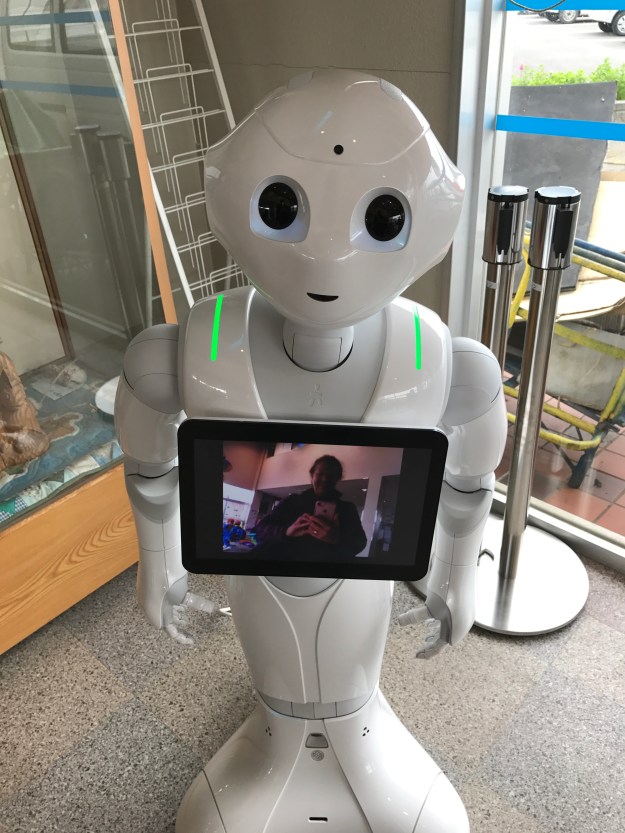
IMG_8882My first contact with Pepper was at the Ferry terminal in Teshima, Japan, waiting for the boat to Inujima on the Inland Seas. Wait a minute. Let me step back a little.   I had seen him many times in Tokyo at store entrances but didn’t pay much attention, after all he was just a robot.

The waiting room was a quaint mixture of the old and the new.  Each chair had a colorful hand crocheted seat pad which looked like something you would see at your grandmothers house.  A massive kite with a painting of Japanese Samurai hung overhead, extending all the way to the ceiling of the building.   Just as I was debating whether or not to approach Pepper and ask him a question, a group of school children barged in and surrounded a small puppy that their teacher had brought along. They huddled together and each vied for the dog’s attention.  Pets are a rarity in Japan because homes are so small and afford no extra space. The noisy chatter and activity distracted me momentarily.

We still had another 30 minutes before the ferry would arrive and I was bored so I decided to engage Pepper in conversation.  I approached cautiously and asked “Do you speak English?” That may seem like a simple enough question, but in Japan almost NO ONE spoke any English.  It was a big surprise to me that it would be such a problem in this global industrialized country , but it was. He gently bowed his head and said simply “Yes“. The way his eyes moved, twinkling as he spoke, and his tone of voice, gentle and reassuring, put me at ease.  I felt an instant connection.

I knew before we went to Japan that I would be impressed by their aesthetic, the beauty of their shrines and gardens and the cleanliness of the country.  But what has stuck with me since my return is the feeling of compassion and respect  that I felt in each and every interaction, even with a robot.  “Pepper”, as he is called, was created by a Japanese company to fill in the gaps when humans are not available .  Because of low birth rate and a large percentage of people over 65, Japan stands to lose 30% of its population by the end of the century.

“Pleasant and likeable, Pepper is much more than a robot, he is a genuine humanoid companion created to communicate with you in the most natural and intuitive way, through his body movements and his voice.

Pepper can recognize your face, speak, hear you and move around autonomously.

Your robot evolves with you. Pepper gradually memorises your personality traits, your preferences, and adapts himself to your tastes and habits. 

Based on your voice, the expression on your face, your body movements and the words you use, Pepper will interpret your emotion and offer appropriate content.

He will also respond personally to the mood of the moment, expressing himself through the colour of his eyes, his tablet or his tone of voice.

A popular ROBOT SHOW in Tokyo mixes Anime  human figures and robotic creatures in extravagant Las Vegas style costumes  who gyrate amidst booming, super loud music.   It is billed as a “must see” to experience contemporary Japanese culture. And now here are robots which can  also be used as companions for elderly people who live alone. The contrast of traditional and futuristic go side by side in Japan.  From the public toilets with “options”, to the orderly nature of boarding and disembarking from public transportation, there is a sense that people matter.

Can you imagine having your own personal robot who understands your every mood and responds accordingly? This sounds like something I could definitely use. At $2000 it seems like quite a bargain, but is not yet available for sale outside of Japan.

P1140182


Total Immersion/ The Onsen Experience

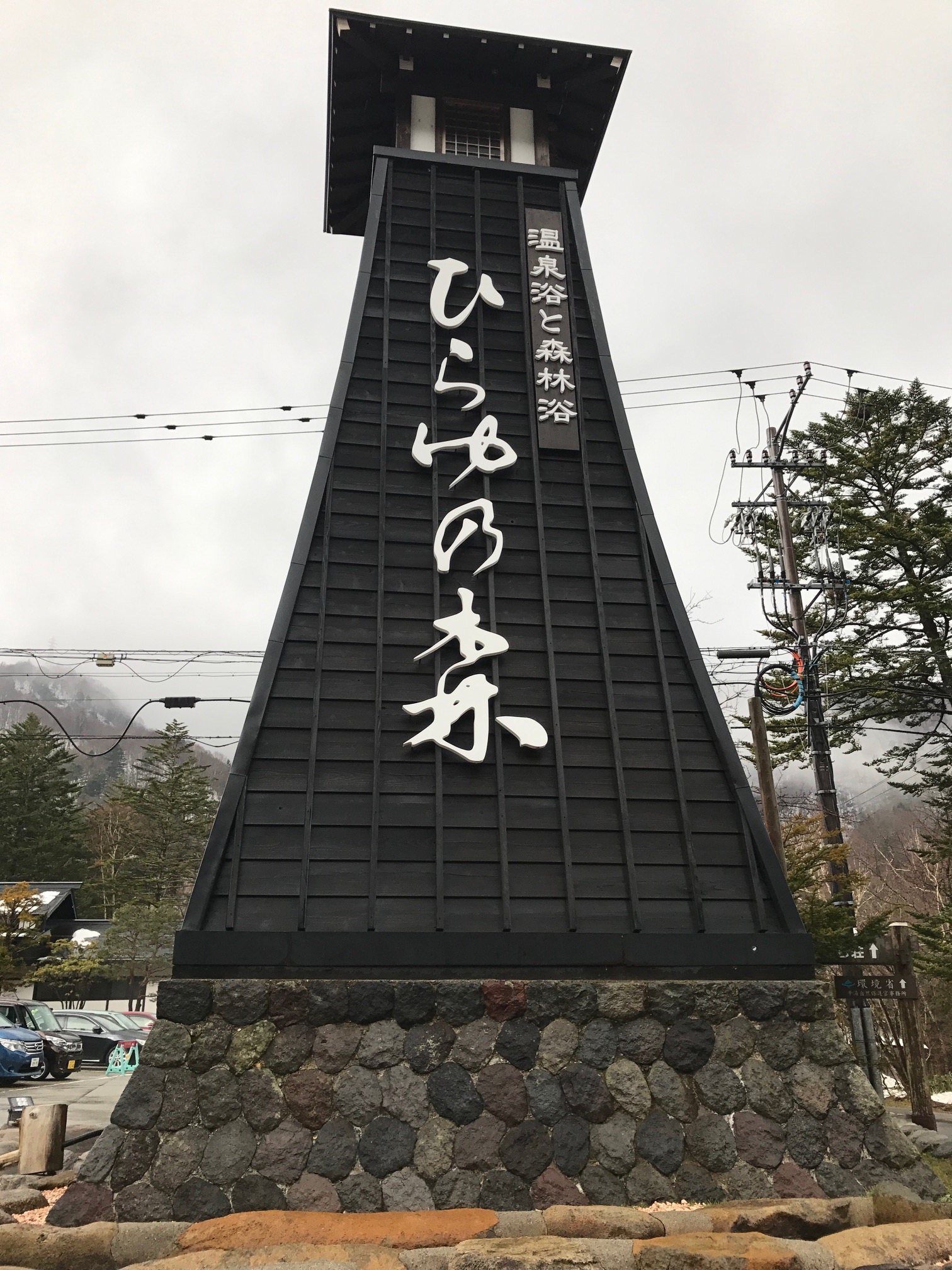
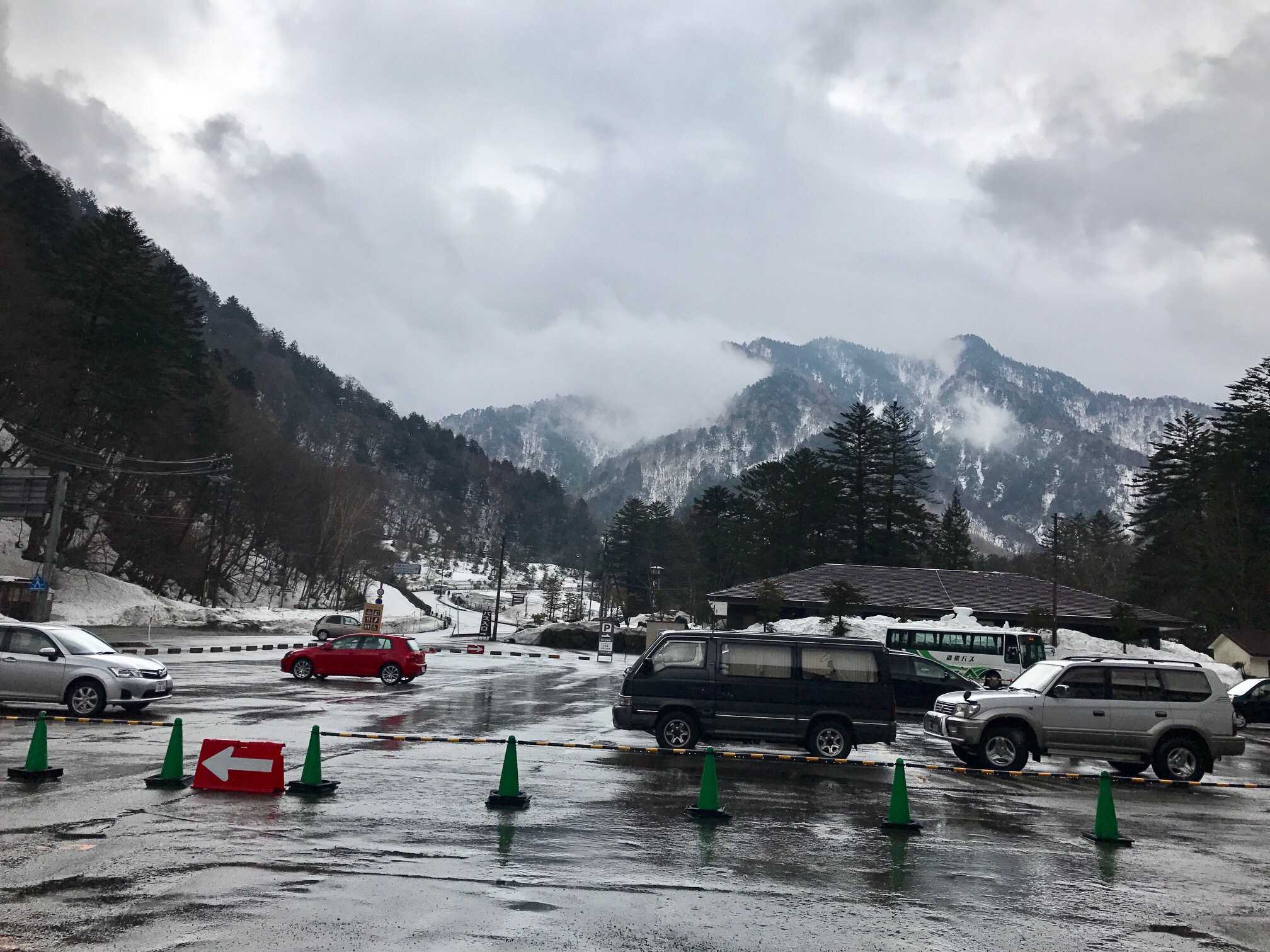
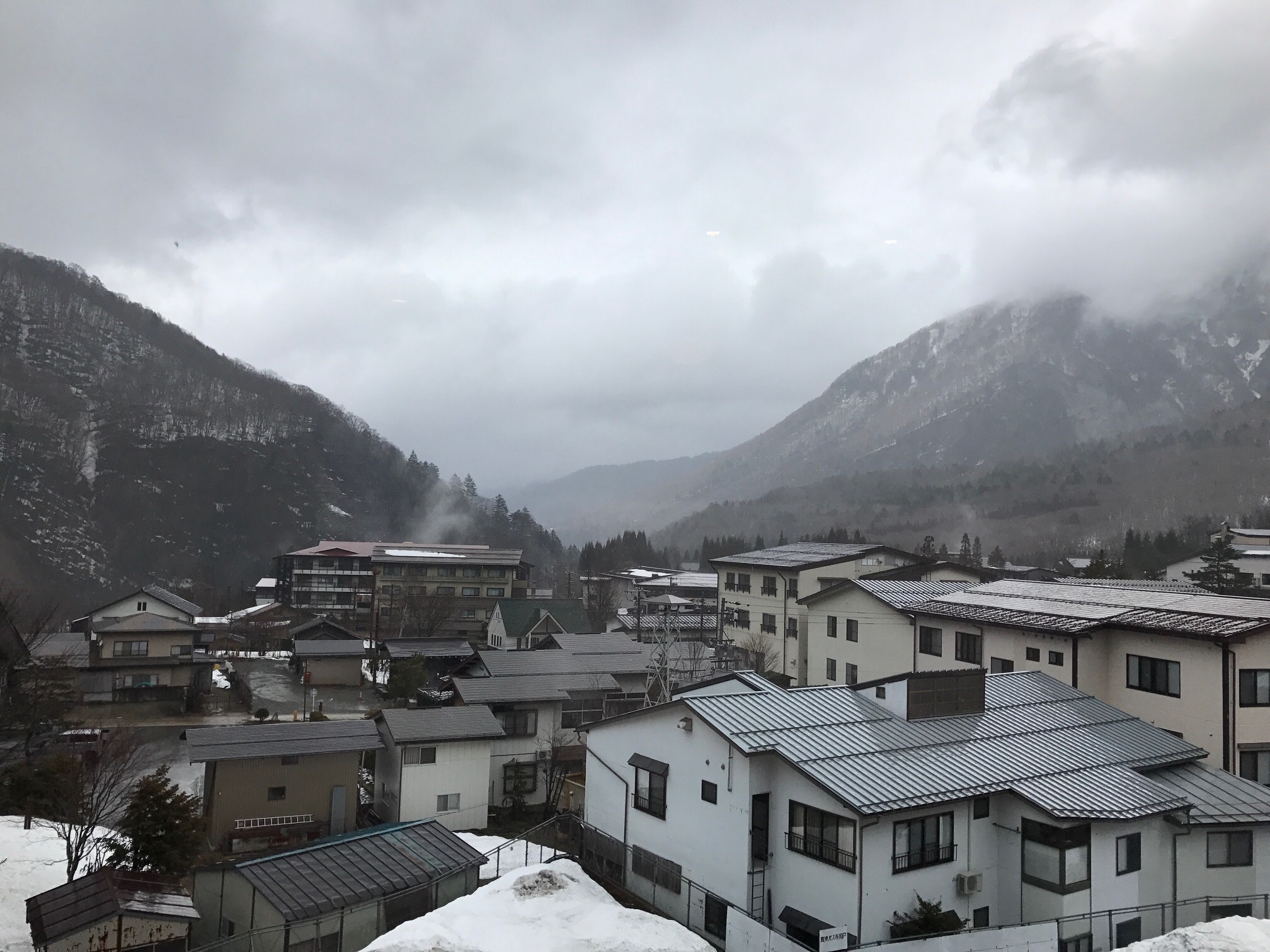
After a one hour bus ride on windy mountain roads I arrive at Hiruyu- an onsen town outside of Takayama in the “Japanese Alps”. An onsen is the quintessential Japanese experience: outdoor baths  with water from underground mineral springs. The ones in Hiruyu are known for their healing properties from the sulfuric waters.  It’s one of the things on my “must do” list, and I’ve come on this journey alone.  I have to admit to a tiny bit of anxiety because it’s the first time I’ve actually done an excursion entirely on my own in all the years of traveling together with my husband, Gerald. He stayed behind  to sketch in town because we were worried that the hot waters might inflame his  bad foot. I am well prepared. As with most things in Japan there is a precise ritual with “dos” and “don’ts”.  Nick at our ryokan has given me full directions as to onsen etiquette.  “Bring a towel and your yukata from the room.  You have to be entirely naked.  Are you OK with that?”  I smiled and told him I’m from California.


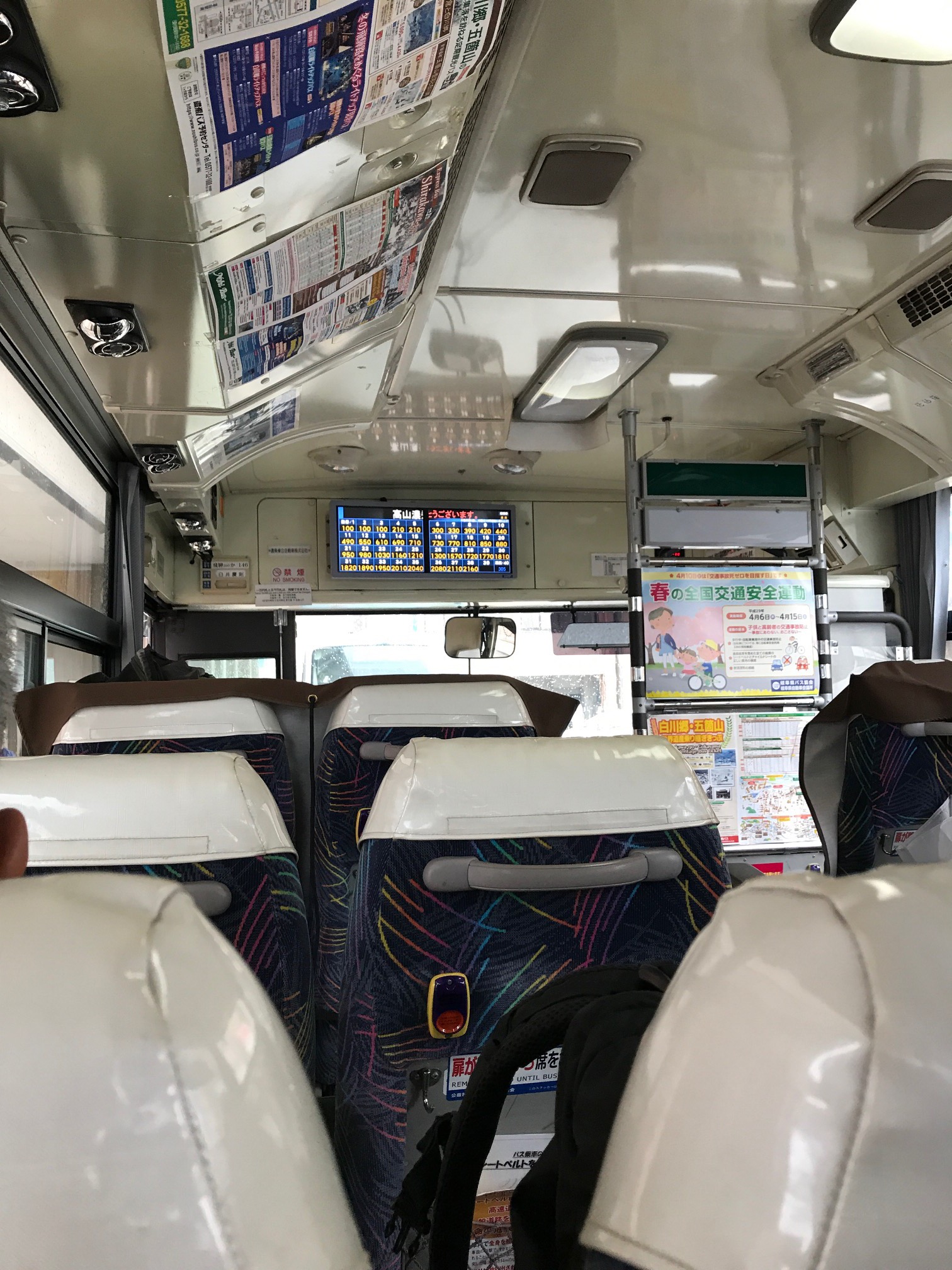
I am the only Westerner on the bus, but there is a video screen which shows the name of the stops, and a tape announces them in Japanese, English and Chinese.  Nobody speaks a word of English. As we climb higher and higher the landscape is covered in snow and we pass ski resorts and ski lifts.  There must be at least three feet of snow.  It is also raining outside and I’m wondering if I am crazy to  have come since the baths are ouside. At exactly the scheduled time of 12:40 we arrive at the bus station.  I approach a sales girl in the store which is stocked with souvenirs and local food specialities for the Chinese bus groups who pass through.  Slowly and clearly  I say “Onsen” with a questioning look.  She points me to another sales person who points upwards.  When I don’t understand, they take me to a third person who says “Upstairs, third floor”.  I’m puzzled because because I remember  reading that it was five minutes away, but I go up the elevator anyway.  I show the man at the desk my little piece of paper with the name of the onsen written in Japanese and he nods his head. I pay, put my shoes in a locker and then go off to the ladies section.

Two Japanese women are there and they show me how to shower and wash before entering the baths.  There is one long bath inside and one outside. I cautiously slide in, testing the temperature.  It is hot.  But where is the smell of sulfur?  Nick told me it was really strong. And he said there are several baths of different temperatures.  I’m beginning to think I must be in the wrong onsen. I’m sure of it, and get out of the bath, get dressed and leave.

Once downstairs I try to make myself understood and get to the “real” onsen.  Again I get puzzled looks until a young man takes pity on me and gets his girlfriend who speaks some English. There IS another one and it is in the Ryokan across the parking lot.  At this point it is pouring and the piles of snow have melted into lakes which bar the path to my destination, but that will not deter me and I slosh through, soaking my sneakers and grabbing onto my bags under the flimsy cheap plastic raincoat I bought in Tokyo.


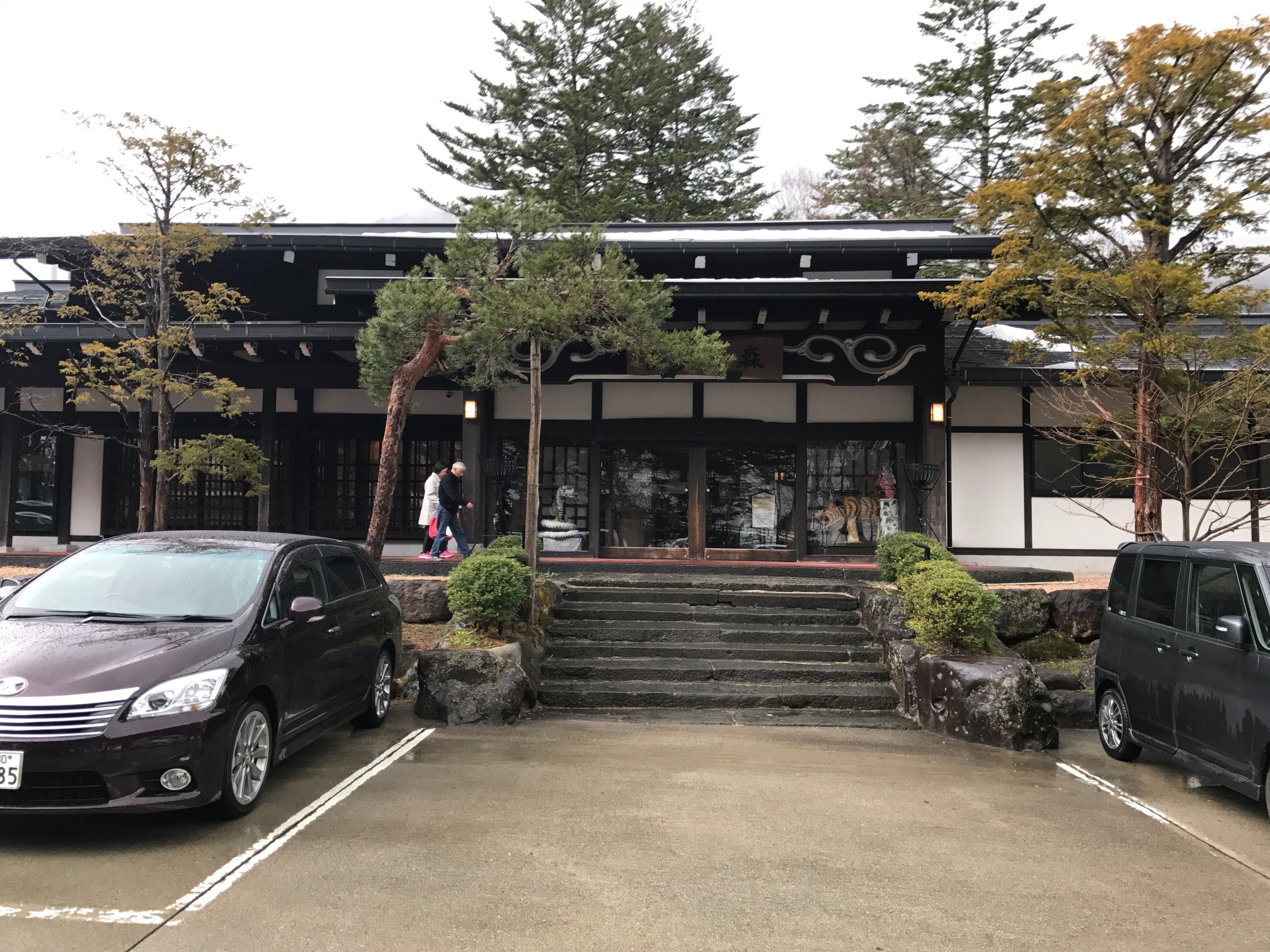
The Ryokan is a massive wooden building built in  a Japanese style.  Inside I  remove my shoes, but I have a dripping raincoat and wet umbrella.  Quickly a young woman from the reception desk rushes to help me dispose of these wet, unseemly items.  It just wouldn’t be polite to come inside dripping on the tatami mat flooring.

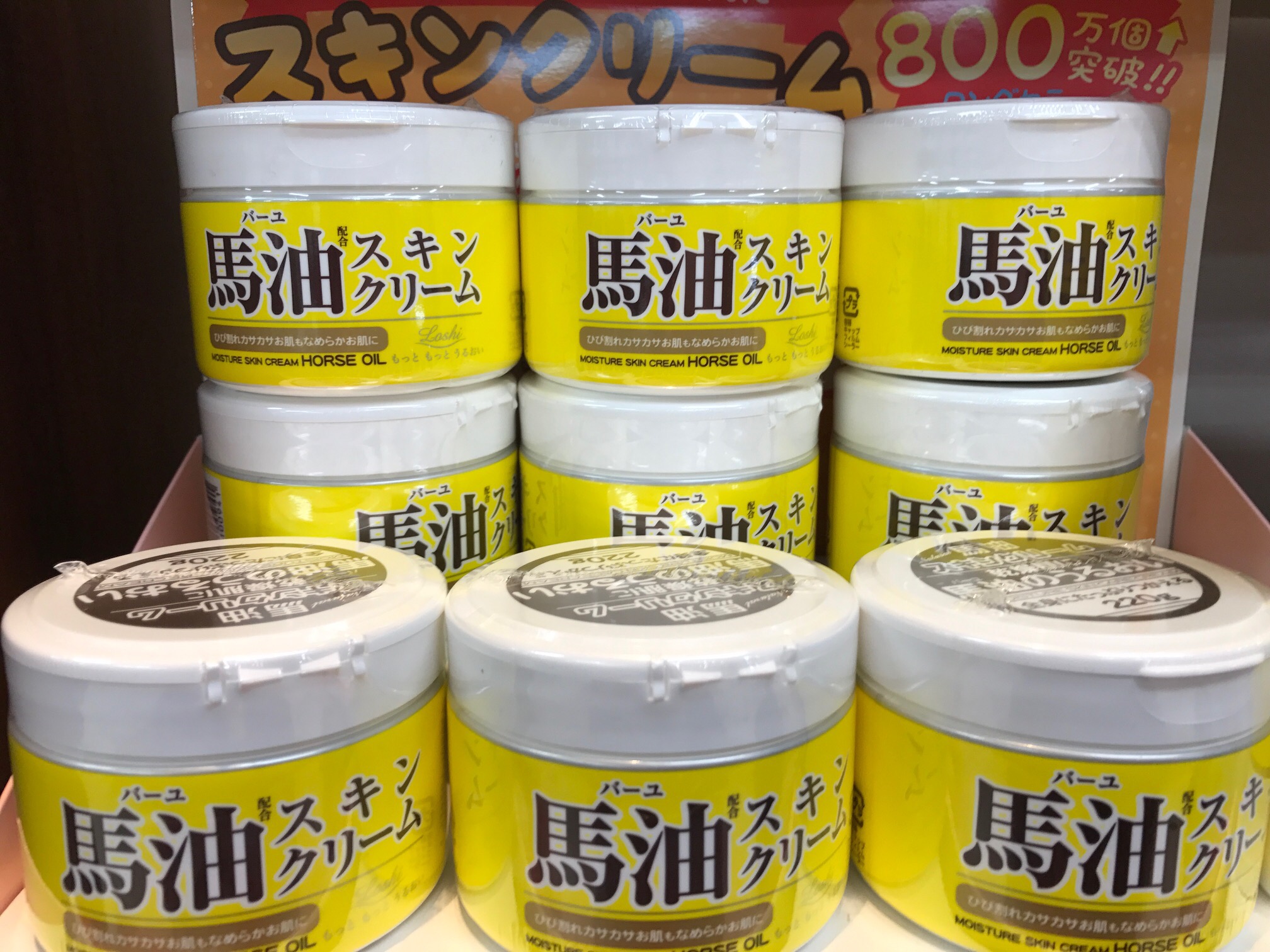
The dressing room has a high ceiling with massive wood beams and is filled with young women, a few mothers with their children, and now me, the only westerner.  It’s confusing where to begin- one locker for the shoes, another for clothes and purse, and a wicker basket to store your towel and yukata. I have to wash, yet again- because that is the custom.  One of the ladies shows me a special cream to wash my face- the secret ingredient is horse oil!  In my haste to get to the baths, I inadvertently take the toilet slippers out of the bathroom.  (There are separate slippers  to wear inside on the tatami mats and inside the bathroom). I hope nobody has noticed, and I sheepishly return them.


Once oustside I find what I have been looking for.  Steam rises from the nine baths set out in an irregular pattern with a slight odor of sulfur.  The volcanic rocks are beautifully arranged to enclose each bath.  Between the shock of the icy cold mountain air and the heat of the baths, my body and mind settle in to the peacefulness of the garden.  Again I am the only foreigner, and a young woman starts to talk with me in her broken English.  We spend the next hour going from bath to bath, each one a little hotter. As time passes I no longer have a sense of time or place and just drift into the “nowness” of the experience.  This is what Nirvana must feel like.

To Flush or not to Flush- That is the Question

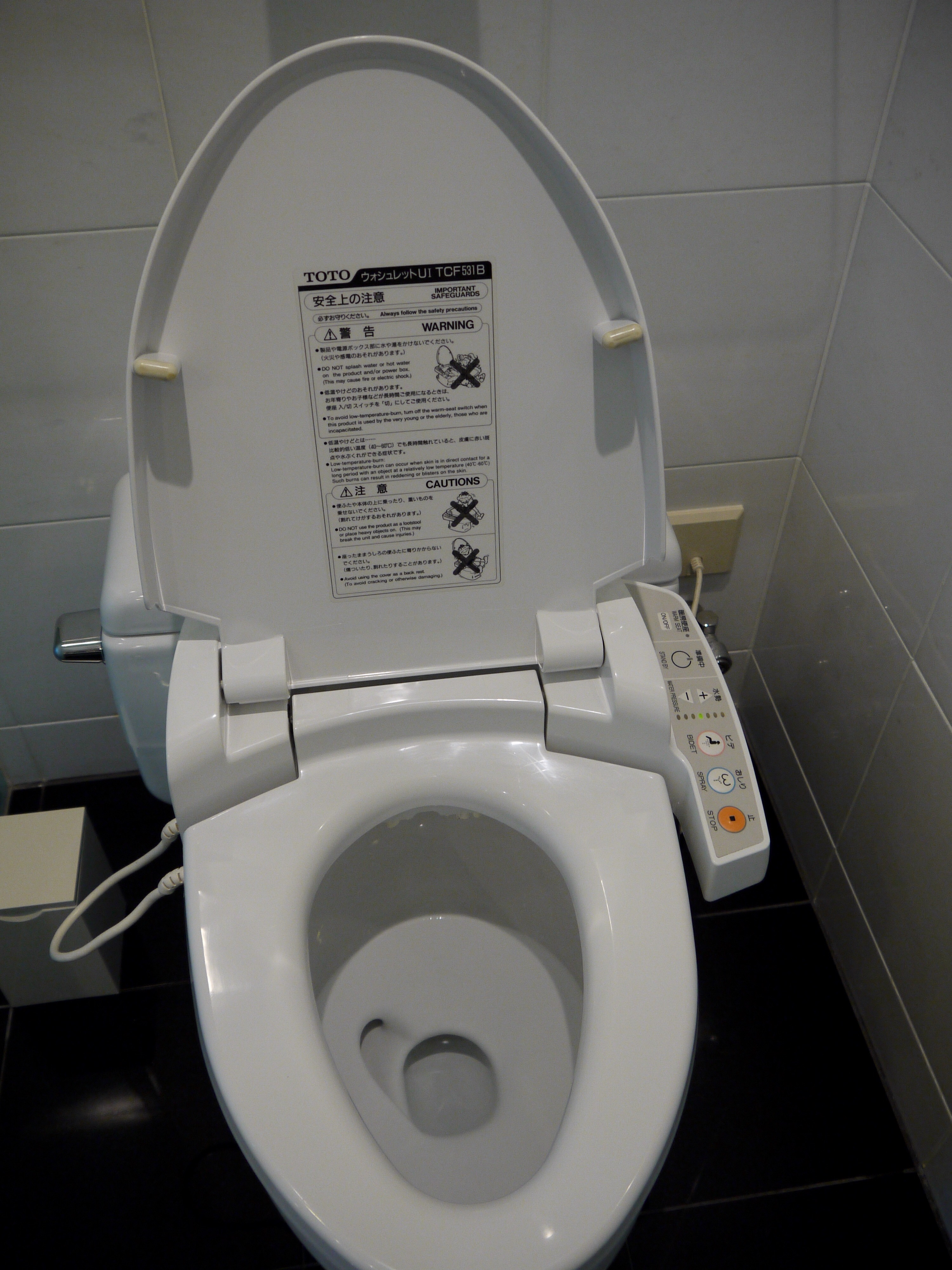
Conrad Hilton toilet in room with English translation

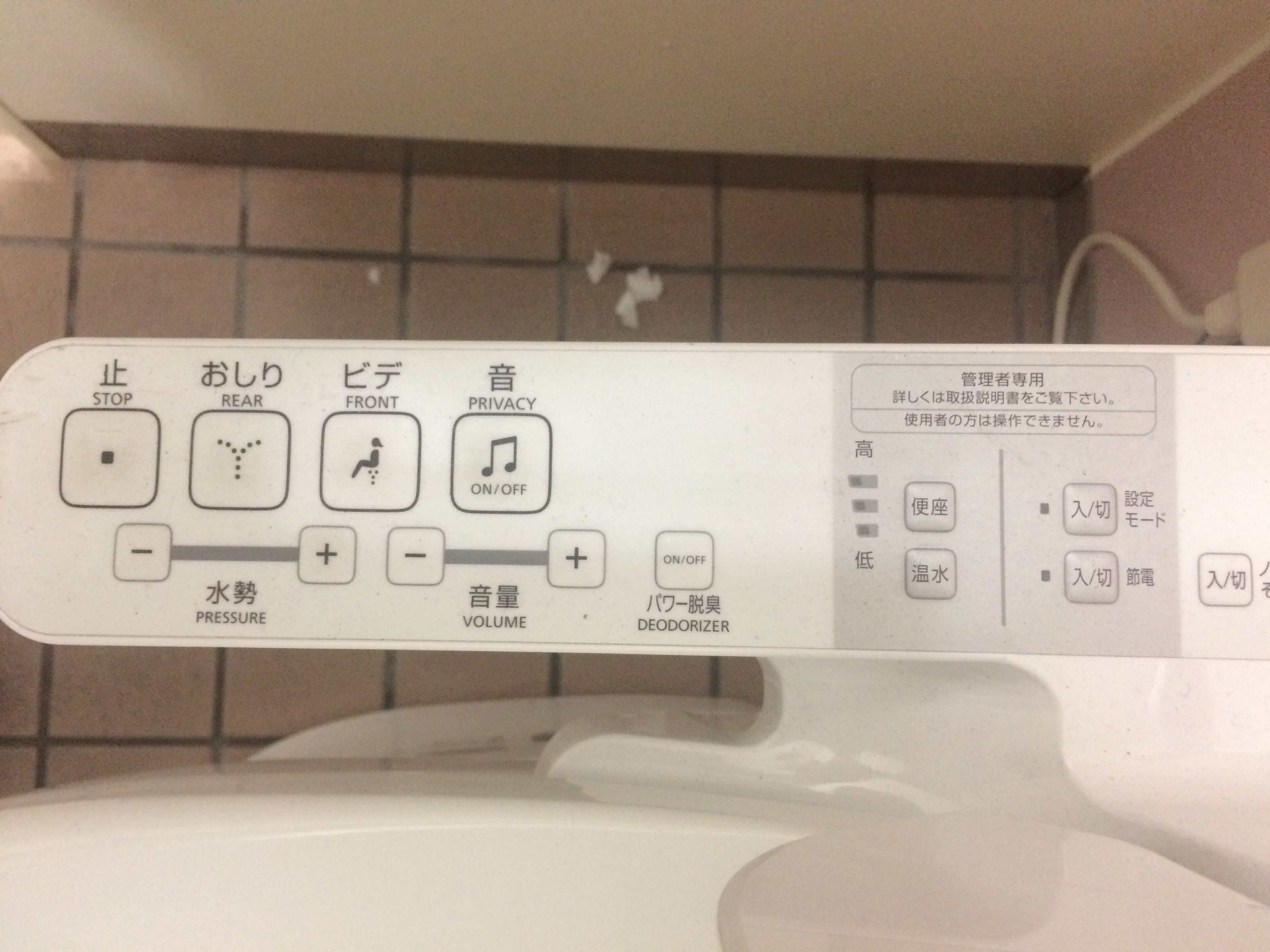
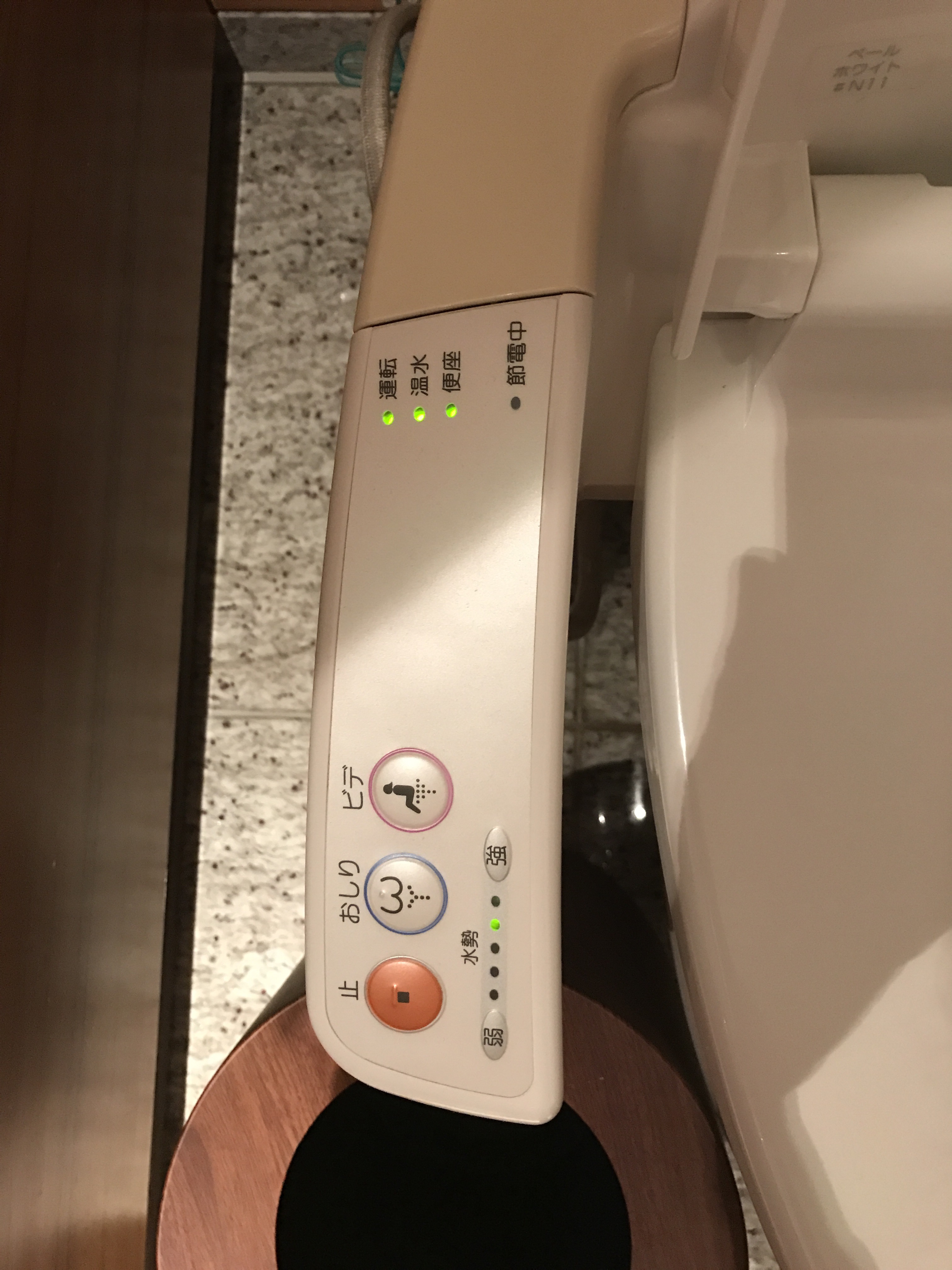
As soon as I heard about the toilets in Japan I couldn’t wait to try one. I rushed into the nearest Restroom at Narita airport immediately after landing.  But when confronted with the myriad of options, indicated by symbols on a side panel, I choked.  There was a musical note, various positions of butts and women’s personal parts discretely being sprayed or sprinkled, and a few plus and minus signs.  As soon as I sat down unusual noises and motions began to emanate from the bowl and I figured I had better do my business and get out.  There would be plenty of  other opportunities.

My big chance came when Gerald and I decided to have lunch in an upscale Japanese restaurant frequented by locals.  We took off our shoes at the entrance and were shown to our table.  When it was time to make my move, I was given a pair of slippers to traverse the restaurant and another pair when it was time to enter the restroom. I was then left to my own devices.  In order to enter the room you pressed a button and the door automatically slid open.  The first problem arose when I tried to press the button to re close it. it was jammed so I gently nudged it to move. A panic attack set in when I realized that maybe I might get locked in there if the automatic door wouldn’t re open to let me out. OK- breathe and relax.  With excitement and a sense of adventure I attacked the option panel (which had no English translations for the pictures).  I heated the seat and pressed the button with the musical note.  Flushing sounds began and repeated. Hmm…. is this their idea of music or what?  Then I started pressing the sprinkler buttons.  First my butt got tickled with gentle sprays of lukewarm water.  I could get used to this.  Trouble arrived with the second button- the bidet option.  A jet of  hot water started pulsing up and it was not enjoyable to say the least, but I didn’t know how to get it to stop.  I thought that maybe if I lifted my butt from the seat there would be a movement sensor and the spray would stop, but no.  The water started spraying all over the bathroom stall.  Panicked I sat back down, worrying that I was doomed to stay in my stall getting attcked by the various water sprays- front and back.  Maybe this was my punishment for making fun of Japanese custom. I started to furiously press all the buttons at once, praying for deliverance.  Success.  One of the buttons was an orange one which stopped all actions.


Back at the hotel I carefully inspected our toilet. The inside of the seat gave warnings and explanations of the dangers of using this “product”.  “Low temperature burns” from heating the seat too much can cause “Blisters on the skin which can be very painful”. And far from providing relaxing music, the musical button is for “Privacy”.  Being correct and reserved is important in Japanese culture so if you fart or make too many toilet noises, the flushing sounds can hide your embarrassment from others.


Everything from the temperature of the water sprays to the power of the flush is carefully thought out. Efficiency in all things is an admirable part of the Japanese way of life. It’s going to be very boring when I get back to the USA and all I get to choose is to flush or not to flush.

What’s in a Name?

“I-KE-NO-HATA Road?” Blank stares.  Maybe it’s my pronounciation-I thought it should rhyme with “Hakuna Matata”(the theme song from The Lion King,) pronouncing every syllable.  But I guess I’m wrong- no one seems to react when I say it.

The journey in from the airport was a piece of cake.  Easy clear signs both in Japanese and English, directed us to the super-efficient,fast and spotlessly clean train system which would take us into Tokyo in 57 minutes precisely. It lulled us into the false optimism that the language barrier wouldn’t be a huge problem.  Ha!

According to the directions emailed by our Ryokan ( a traditional Japanese inn) the road is a main Avenue, which should be the one we are on as we exited the train station.  Masses of men, dressed in black suits, white shirts and determined faces looking down at their phone, stream by.  The shopping street is brightly lit with neon signs, and colored lanterns line the parallel road where masses of cherry trees are in full bloom.  Our efforts to stop passersby are met with polite smiles or unintelligle words, supposedly in English.  Three policemen who are holed up in a mobile station, huddle together to ponder the question of where this road  might be. A consensus, after asking three or four people  who all confer with their phones for directions,seems to be to follow the road parallel to the park, near where we are  now standing.

Thank God I only took a carry on case.  As we wander on the deserted avenue, passing a night market for locals to enjoy “Hanami”, the cherry blossom season, we are unsure if we actually ARE going in the right direction.  After a flurry of activity and restaurants with plastic foods in the window, nothing.  Then on a street post we see a sign “Ryokan Katsutaro  (pronounced KATZARO) 200 m ahead”.