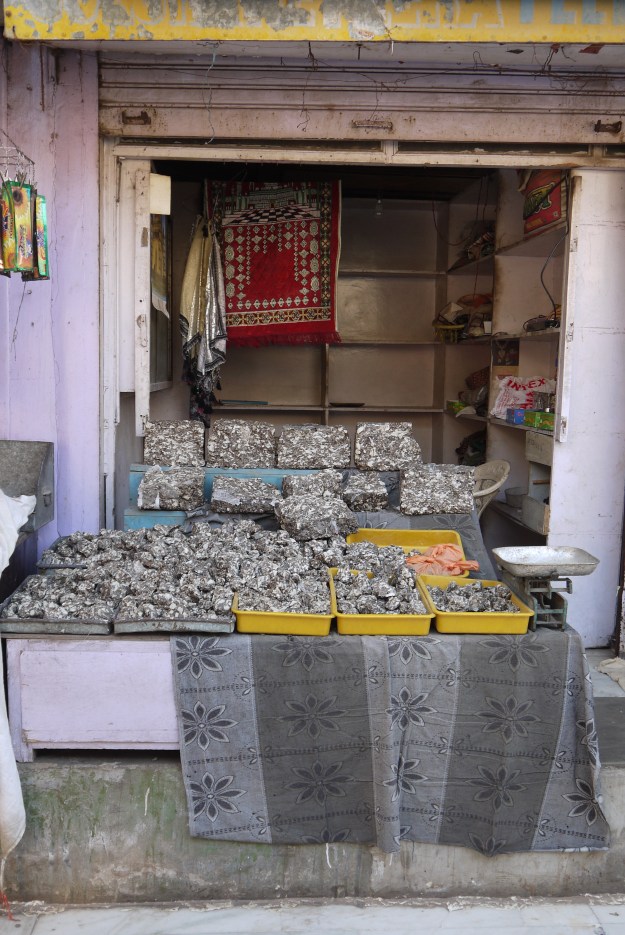
Loban Incense stall
“Don’t stare at anyone while they are in a trance, and no photography is allowed, it’s too intrusive”. These are the directives given to me on the phone by Vanita, an Indian woman from Mumbai, doing a PH.D. on the psychology of trance in India. Shaikh, our resourceful driver/guide from last year, escorted her and two visiting professors from the UK, to the Loban ritual the night before. She is staying in the village of Unawa, famous for the shrine of Hazrat Sayyad Ali, called “Mira Datar”(Mira=The Brave One, Datar=Giver or Bestower) to study this surreal ceremony. I had been to one such “event” on our last trip- thanks to Shaikh,who understands my fascination with all things bizarre and mystical. Mira Datar is one of the most famous shrines where this ritual is practiced, and both Muslims and Hindus come from near and far for healing.
From their website:
This shrine is known for driving out evil forces and healing the ones,especially the women who are possessed by demons and evil Jinns. Over the centuries, the mentally affected or “possessed” Indian women have found a sanctuary here. The fame of this Dargah is spread far and wide and people of all religions,caste and creed visit the shroud year round with offerings and fulfillment of their vows. Roses and incense are offered.
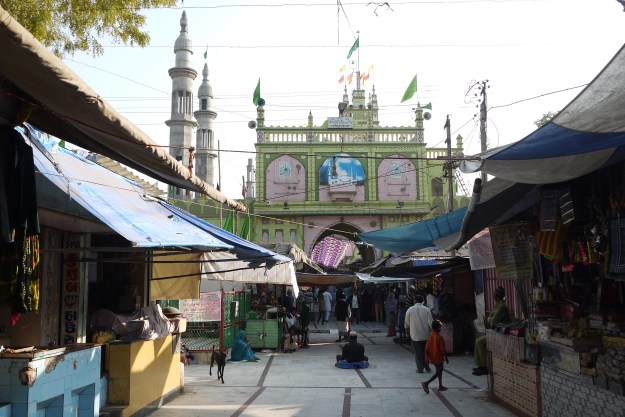
Mira Datar in Unawa,Gujarat
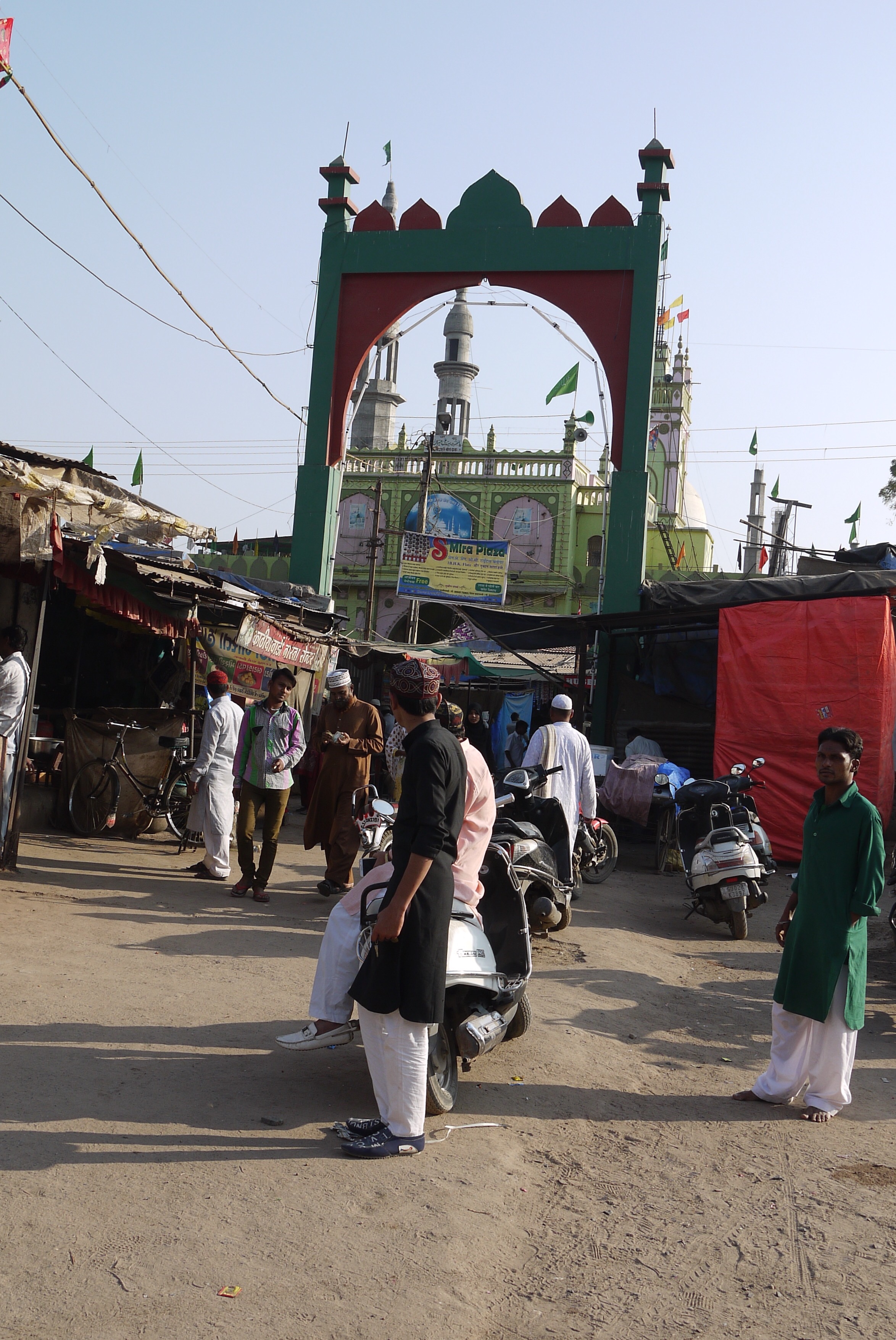
Loban is actually the name of the incense used to purge bad spirits from the body. We know it under the name of Copal. Our arrival in the town takes us back one thousand years. Streets are mounds of dirt and rubble. Ragged beggar women and children roam the alleys with their hands out, murmuring unintelligible sounds. The air is heavy with the pungent aromas of smoke and grilled meats. Booths are set up with huge woks filled with bubbling oil to fry the samosa. Although I have been craving meat, since Gujarat is mostly a vegetarian state, I am not tempted to try any of the dishes being hawked. Everything feels dirty and unclean.
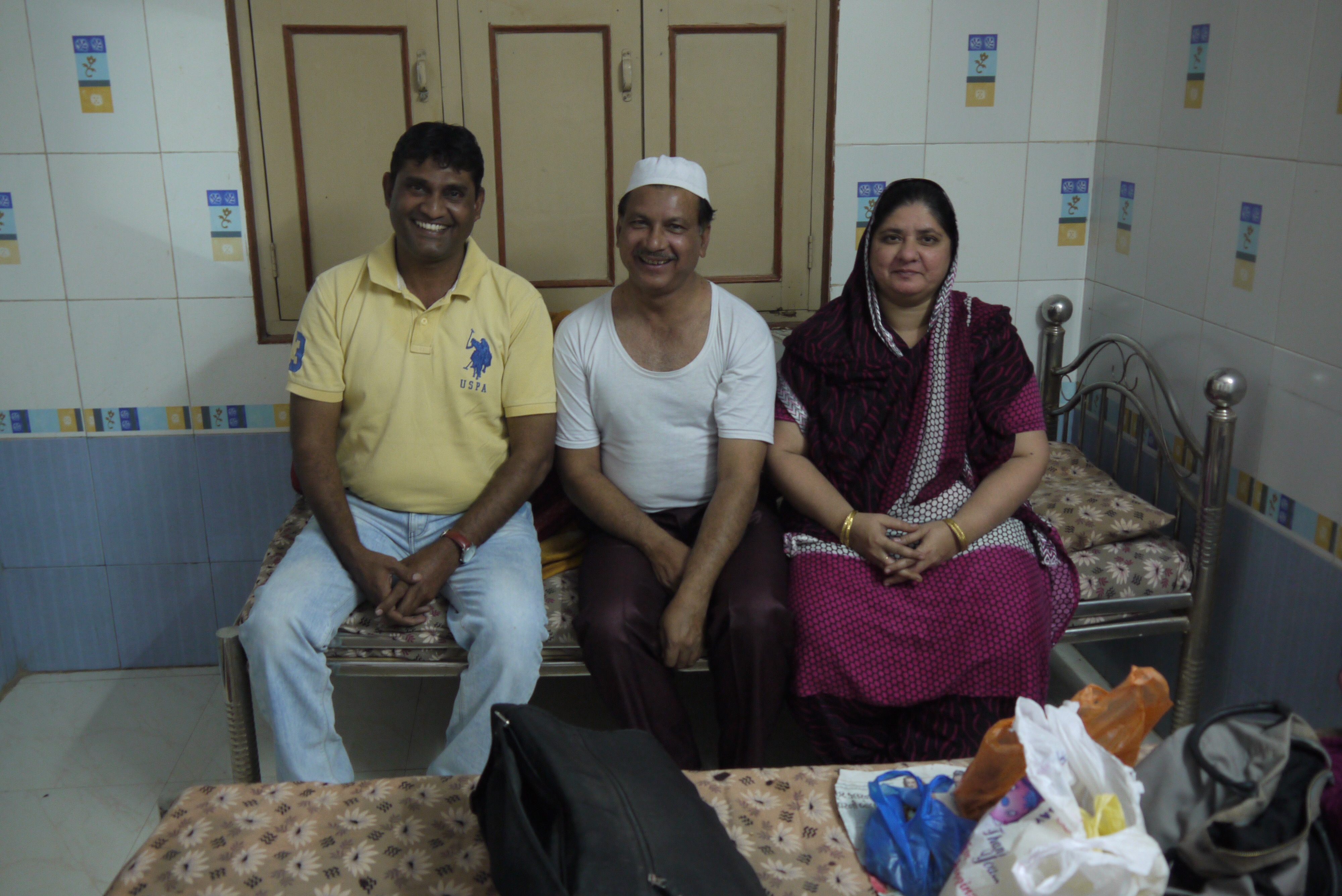
There is a ring of small guest houses encircling the main area. Pilgrims come from all over India, and those with more money stay in one of these hostels- designated by religion. One for Muslims, another for Jains, Hindus,etc. Shaikh’s brother -in -law and wife have travelled overnight to visit the shrine and we go to their room for a visit and a rest. The room and stairwell are immaculate. Inside a tiny room are two simple beds and a small bathroom. The floor and walls are tiled. A room costs 50 rupees ( 80 cents). He is a structural engineer and head of a large international firm. When I ask why he has come so far to visit this shrine, he replies simply “I come from time to time to feel good”.

Shaikh with his family at the hostel

The entrance to the shrine and mosque
A tall gate marks the entrance to the sacred area leading to an impressive mosque. We remove our shoes. All along the passageway are sellers of incense, talisman, jewelry, trinkets and souvenirs. When we arrive inside the compound ,Shaikh takes us up a narrow,steep stairway. On the way up a group of young, well dressed girls comes hurtling down the steps, as if they have seen a ghost. At the top of the stairwell I understand why.
Women of all ages dressed in tattered clothes,hair loose and disheveled,are walking briskly around a large dome in the center of the room with a crazed vacant stare. They are screaming, banging their heads on the stone, falling down, trying to attack other women, climbing up the wall, always circling,circling. A family member stands near each woman ready to step in and protect their loved one from harm to themself or others.It is believed that circling the “chakki” (dome) seven times will remove evil spirits.
I am fascinated and mesmerized by the scene and at the same time a deep sadness comes over me. What must these families go through when they are at home and how do they manage to take care of these women? How many remedies have they tried, and do they really expect that a miracle will occur? I read on the website about the 10 foot snakes that came out of a man’s body in 1973, after he spent weeks praying and crying at the shrine to get relief from his terrible stomach pains. Back downstairs we look for a spot to sit and wait for the ritual to begin. More and more people arrive and the crowd swells to well over a thousand.
One man has his hands and feet in chains- being led by two other men. A woman is doing somersaults on the cement floor and screaming- around and around they go, while the mosque fills up for evening prayer, women on one side, men on the other. There are nine doors made of sterling silver in the inner sanctum where groups of people are being blessed under a small green holy coverlet. I am seated next to a young woman from Mumbai. She is obviously mentally disturbed and rambles on to me in English about her problems and how she was married and in engineering school, “but things are hard, people expect things” and she is unhappy. Shaikh finds out from her mother that they have tried everything- expensive psychiatrists, medication, clinics, but nothing has worked. They are hoping something will happen tonight.
Precisely at six thirty the imam starts chanting the prayers and the smell of the Loban permeates the enclosure. We stand and watch the ritual unfold . There are no longer random ,wandering crazy people ;most of the women seem to have worn themselves out and are quiet. Three or four khadim ( holy men who are descendants of the family of Hazrat Sayyad Ali) walk through the crowd while people push to get close enough to inhale the smoke. It is believed that inhaling the holy smoke can cure illnesses and bring good fortune.
It is now seven o’clock and the crowd disperses. I am mentally and physically exhausted and feel like I’ve been through a time machine. One of the amazing things about India is the juxtaposition of the modern world with primitive ritual. Where else would you find sophisticated professionals mingling with simple villagers to talk with gods or exorcise spirits?
*nb- this is a reference to the play by Jean Anouilh “The Persecution and Assassination of Jean Marat as Performed by the Inmates of the Asylum of Charenton under the direction of the Marquis de Sade”. It was performed on Broadway in the 1970’s and was a masterpiece.



 I have been to Udaipur four times and it remains for me the most beautiful and magicial city in India.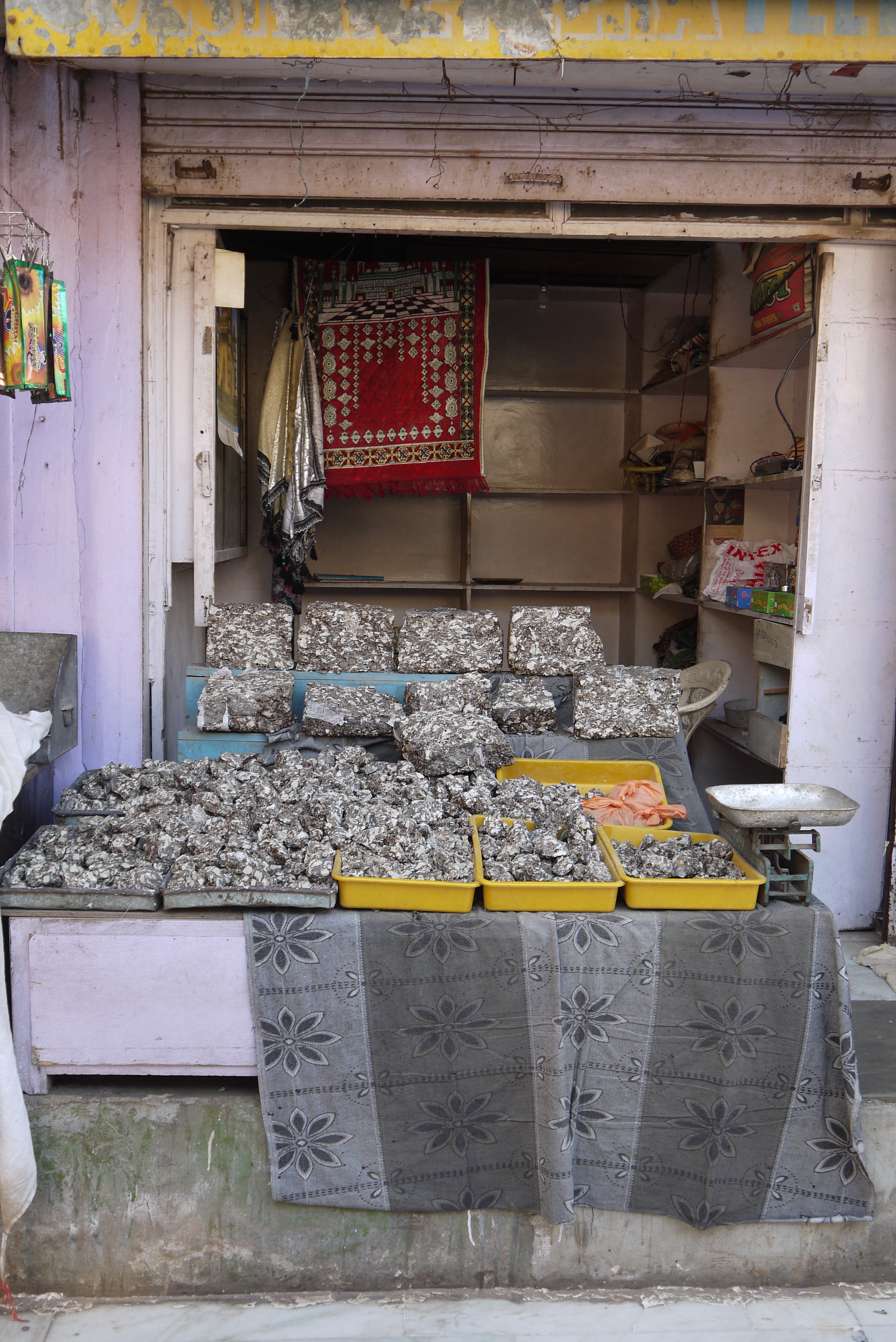




 THE DREAM OF DISTANT LANDS